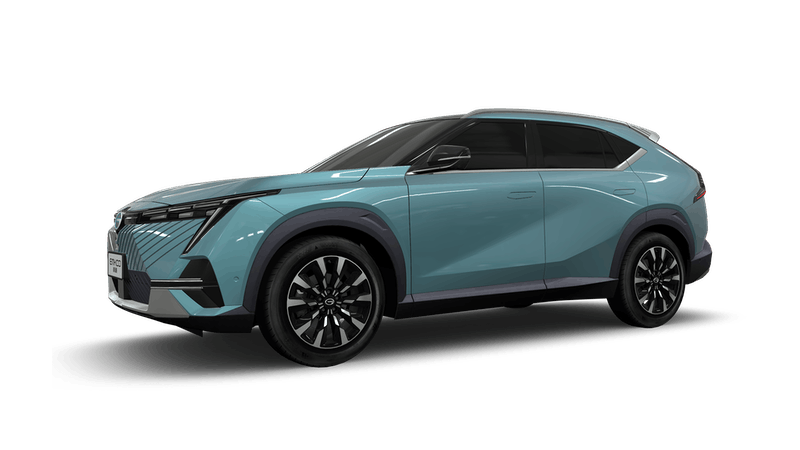
Comparative framework and purpose
This analysis compares GAC configurations against specific Ethiopian use patterns, following a comparative-insight logic that begins with user requirements and proceeds to technical fit. My observations are informed by field visits to a central Addis Ababa dealership and manufacturer literature; for those assessing availability and local specifications, consult buy GAC MOTOR. The aim is to help an informed buyer match a configuration to daily realities: road quality, passenger numbers, cargo needs, and service access.

Key configuration categories
Configurations commonly offered and the practical roles they serve:- Compact crossover: prioritises fuel economy, tight turning radius, and lower running costs; suited to dense city districts and short commutes.- Midsize SUV: balances interior space and ride comfort with moderate ground clearance; appropriate for mixed city–intercity use.- Large SUV / Seven-seater: optimised for family travel, long-range comfort, and greater luggage capacity; useful for group travel between regional hubs.- Light pickup / utility: engineered for payload, towing, and rough-surface durability; necessary for agricultural suppliers or construction-related logistics.- Hybrid/electric variants: offer lower operating expense where charging or urban-use benefits apply, but require evaluating local charging infrastructure.
Comparative criteria that matter in Ethiopia
Five decisive attributes to compare across configurations:- Ground clearance and suspension travel: critical where paved roads give way to graded gravel or seasonal tracks.- Powertrain tolerances: diesel or robust petrol engines with simple turbochargers tend to be easier for local technicians to service.- Cargo and payload capacity: measured in practical terms (roof load, bed capacity, rear-seat foldability).- Service network and parts availability: proximity of authorised service centres and spare parts inventory reduces downtime.- Total cost of ownership: fuel consumption, scheduled maintenance intervals, and resale prospects.
Practical fits by lifestyle — a comparative table in prose
Urban commuter: choose a compact crossover for efficiency, short manoeuvres, and lower running cost; ensure tyre sizing suits potholes rather than only smooth tarmac. Intercity traveller: a midsize SUV offers a better balance of comfort and range; prioritise fuel tank size and cruise stability. Rural operator or contractor: select the light pickup or a large SUV with reinforced suspension and larger tyre sidewalls; payload rating and chassis robustness are decisive. Family with intermittent long trips: a seven-seater large SUV gives passenger comfort and luggage flexibility; seek configurations with multiple ISOFIX points and air-conditioning zonal control.

Technical notes and maintenance expectations
Do not conflate manufacturer-stated consumption with real-world figures; expect higher fuel usage on graded or mountainous routes. Verify brake and cooling-system spec for repeated hill runs. Prefer configurations with a simple electronic architecture where local technicians are more likely to perform fault diagnosis. Confirm warranty coverage and whether authorised technicians in regional centres are factory-trained.
Common mistakes buyers make
Avoid these recurring errors:- Selecting low-clearance trims because they look modern, then struggling with recurring underbody damage.- Overlooking payload for commercial use, thereby increasing trips and operating cost.- Assuming hybrid or electric models will automatically cut costs without verifying charging access or maintenance familiarity.- Choosing the highest-trim for resale expectations without considering local demand for such trims.
Alternatives and brief comparative context
When comparing GAC configurations against global peers, weigh local service networks and parts lead time equally with initial price and specifications. Established alternatives may have longer parts chains; emerging regional support for GAC can be competitive where authorised outlets are present. Assess trade-offs: stronger franchise networks can reduce downtime; smaller networks may offer lower purchase pricing but higher long-term risk.
Concluding synthesis
Selecting the right GAC configuration is a matter of aligning a clear profile of daily use with concrete vehicle attributes: clearance, suspension, payload, reachable service, and realistic fuel performance. Experienced buyers reconcile manufacturer specifications with on-the-ground inspection and local service realities; when that synthesis points toward a fit, GAC MOTOR models can deliver the specific balance of capacity and economy required for varied Ethiopian conditions.