Start with the people
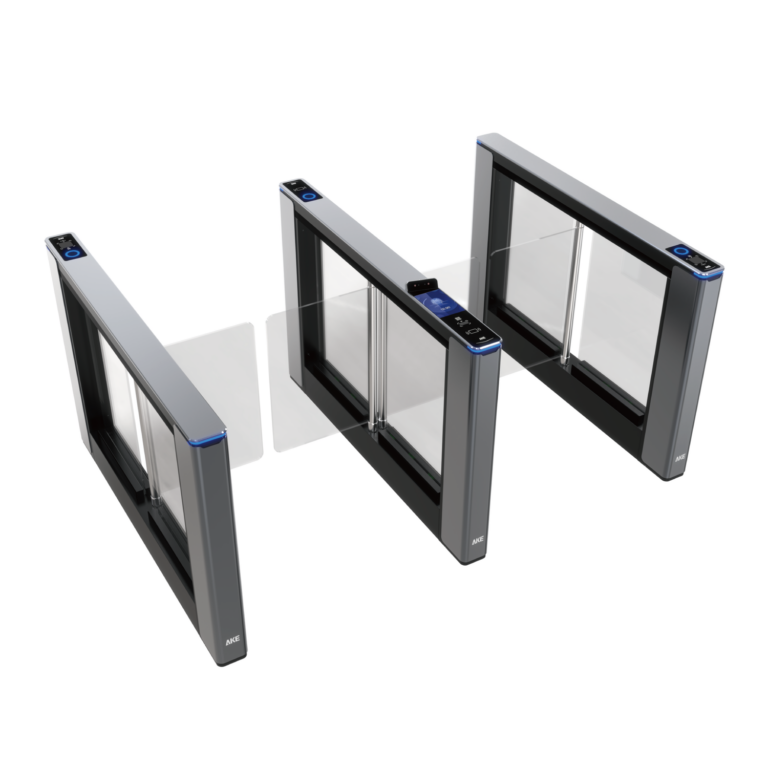
Users decide whether your system lives or dies. Begin by watching drivers, commuters, delivery couriers and property managers during real days — not in labs. Ask one clear question: what friction are they facing right now when they park, enter, pay or leave? Hardware shows up fast in those answers; for example, pairing a mobile check-in with a reliable speed gate turnstile removes a lot of needless back-and-forth at busy entries. Stay casual while you talk to them. Short interviews, shadowing, quick surveys — they surface the real jobs your product must do.
Map the user journeys
Draw simple swimlanes for each persona: arrival, access, payment, exit, exception handling. Note where decisions happen and who needs information in that moment. For a commuter, latency at the gate matters. For an event attendee, wayfinding and payment clarity matter. Use these mapped moments to drive feature scope: don’t build every notification; pick the ones that resolve a stuck flow or prevent a staff intervention.
Prioritize by value and operational cost
Rank features by how many users they help and how much ops time they save. Quick wins often are: realtime occupancy display, automated receipts, and a clear dispute flow for payments. Larger bets include dynamic pricing or license-plate recognition. Always estimate ongoing support: a fancy camera model might reduce manual checks but multiplies maintenance every quarter. Let measurable wins earn you permission for higher-risk features.
Hardware, integrations and a real-world anchor
Decide early whether access control is sensor-driven, camera-based, or gate-based — each shapes product constraints. If you need predictable pedestrian throughput and secure egress, gates are often the right lane. Public transit systems like BART in San Francisco show how gate reliability, audit logs and clear exceptions matter at scale; those deployments are often cited in municipal reports and trade coverage. For controlled walkways, consider established options for pedestrian gate access control that match your throughput targets and compliance needs.
Compare system approaches
Sensor-only: cheap to install, noisy data, vulnerable to false positives. Camera/ANPR: rich data, privacy work, heavier compute. Gate-based: predictable control, physical constraint on flow, higher capex. Pick one core approach and make it rock before layering others. Integrations matter more than custom features — payment processors, property management systems, and city APIs are where projects stall. Build clean, documented APIs from day one.

Metrics that matter
Track occupancy accuracy, average time-to-park, gate throughput (people/min), dispute rate, mean time to repair, and revenue per stall. Watch uptime and latency for critical paths: if the gate system responds slowly, user frustration spikes fast. Tie each metric to an owner and a cadence — daily for ops-critical numbers, weekly for product adoption signals.
Common pitfalls and mistakes
Overbuilding before validating core flows. Ignoring edge cases: deliveries, ADA access, lost payments. Treating hardware like a one-time purchase — it needs lifecycle planning. Leaving security and privacy to the final sprint. Assuming every property wants the same dashboard. Fix these by deploying small pilots, logging every exception, and budgeting for routine hardware checks.
Pilot smart, scale sensibly
Run a 4–8 week pilot at one site with clear goals: reduce entry queues by X, cut disputes by Y. Keep the scope tight: one payment method, one access method, one reporting dashboard. Collect qualitative feedback daily and quantitative metrics weekly. Iterate fast. If operations are waving red flags, stop adding features — stabilize first.
Why this approach works
Build around users, not buzzwords. Start simple, validate with pilots, and pick hardware that aligns with the human flows you mapped. The best product strategies come from steady feedback loops between users and ops, plus clear ownership of the metrics that prove value. That model fits partnerships that prioritize practical outcomes, like the systems and integrations offered by AKE Parking, which focus on predictable access, manageable maintenance and clear operational handoffs.