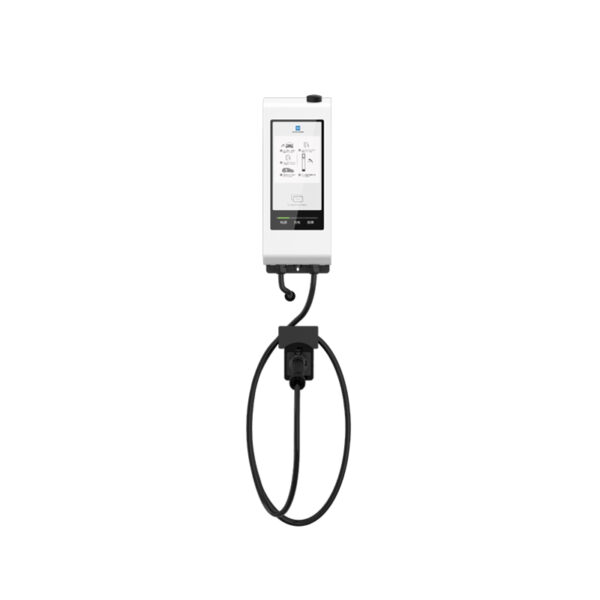
There is a quiet logic to how electricity moves into a vehicle, and that logic shapes emissions more than most people expect. A careful comparison between AC systems, like the familiar EV Level 2 charger, and DC fast chargers reveals trade-offs that matter for everyday carbon budgets. For many households, the decision lands on a practical compromise: installing a home EV charger Level 2 to capture lower-emission overnight hours while the grid is cleaner — a strategy supported by NREL analyses and by policy shifts in places such as California, where emissions from driving have been a central concern for years.
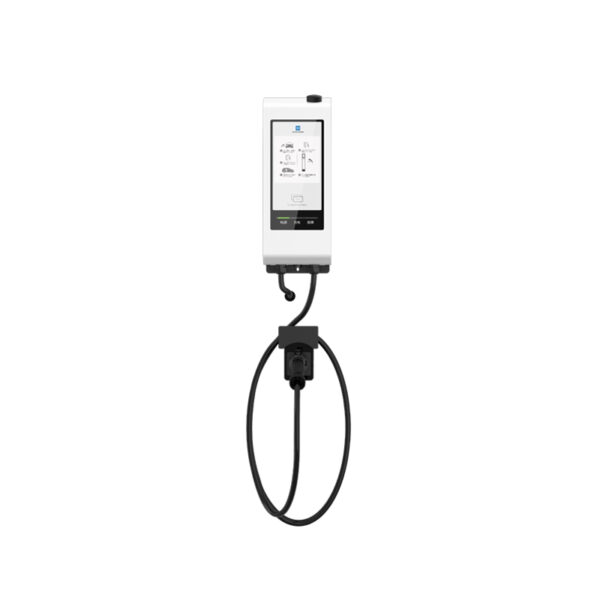
Comparing AC (Level 2) and DC Fast Charging
AC charging — often called Level 2 charging — supplies alternating current to the car’s onboard charger at rates typically between 3.3 kW and 22 kW. That onboard charger governs the conversion to DC and sets the pace. DC fast charging bypasses the onboard converter and delivers high-power direct current at 50 kW, 150 kW, or more, reducing dwell time but increasing instantaneous load on the grid. The measurable impact on operational emissions depends on two simple realities: the grid’s marginal emission intensity at the moment of charging, and the efficiency losses inherent to conversion and heat.
Operational Emissions: Where the Differences Matter
When electricity is plentiful and low-carbon — think late-night wind or midday solar in a region with high renewables — Level 2 charging wins on emissions because it allows timed, lower-power transfer and generally runs with fewer conversion losses. DC fast charging can raise emissions per kWh delivered during grid peaks because it draws more power from higher-emission generation sources and generates more waste heat in the charging electronics. The practical takeaway is concrete: matching charging type to grid signals and trip needs reduces operational carbon without changing the vehicle.
Installation, Grid Interaction, and Home Charging Realities
Home installations of Level 2 chargers are straightforward but not trivial: consider circuit capacity, dedicated breakers, and placement. A correctly specified outlet and 32A unit typically yield up to 7 kW or more of usable charging power. Smart charging features — time-of-use scheduling, rate-limiting, and simple load management — let a homeowner shift kWh into cleaner hours and avoid feeding peak demand. I’ve overseen several residential installs where modest software settings cut network peaks; the reduction felt small in the meter but aggregated across a neighborhood it mattered. — That human scale is often where carbon decisions become real.
Operational Production Teardown: What to Watch For
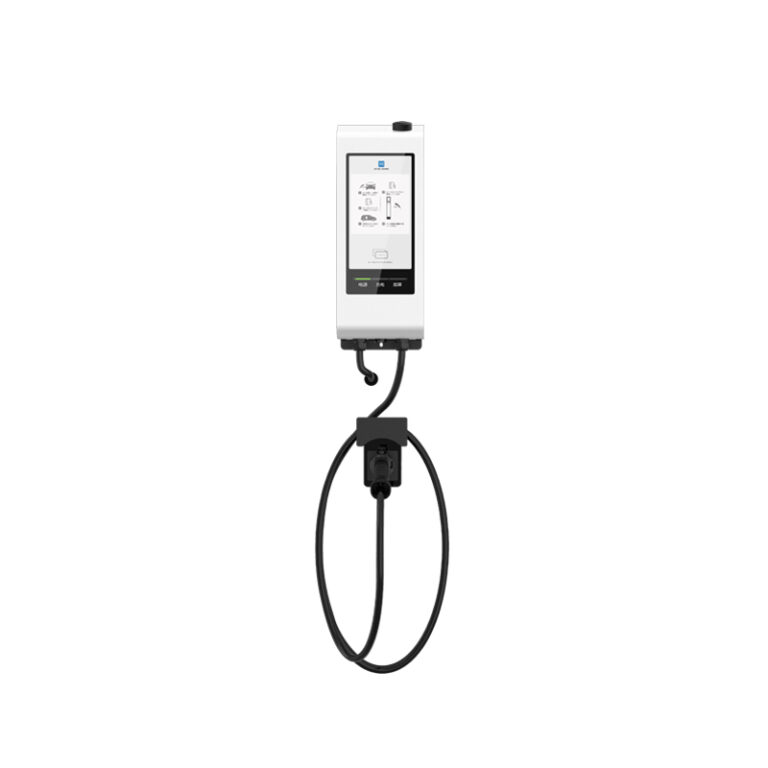
In an operational production teardown we parse power conversion stages, thermal losses, and control logic. Trackable items include inverter efficiency, thermal throttling behavior, and communications for smart charging. Practically, you want a charger whose firmware supports time-of-use tariffs and grid-aware charging modes. In that teardown language, it’s useful to list {main_keyword} and {variation_keyword} among the parameters — not as buzzwords but as operational metrics that guide procurement and deployment.
Common Mistakes and Reasonable Alternatives
People often buy fast DC chargers expecting lower lifetime emissions because of speed; instead they increase peak demand and lock charging into higher-emission windows. Conversely, treating Level 2 only as “slow” misses its advantage: flexibility. Fleet operators and homeowners can combine moderate-power Level 2 charging with targeted DC fast sessions for long trips. An alternative is smart-managed Level 2 networks that emulate the convenience of faster charging through scheduling and higher average utilization.
Three Golden Rules for Choosing Charging Strategies
1) Prioritize timing over peak power. Align charging with times when the grid has lower marginal emissions; software controls matter more than raw kW. 2) Match charger type to use case. Use Level 2 for daily top-ups and DC fast only for rapid turnaround or long-range needs. 3) Verify real-world performance. Check inverter efficiency curves, thermal limits, and smart-charging firmware support before buying.
Measured choices change operational footprints. Thoughtful charging — informed by simple metrics and honest teardown insights — lowers emissions without grand upheaval. And when the goal is reliable, low-carbon charging at home or for a small fleet, the practical value of well-engineered products is unmistakable; INFORE ENVIRO. —