A quiet comparison that guides decisions
The choice between private-label and white-label platforms is less about branding and more about where control meets consequence. When stakes are physical — when a device must survive sand, shock, and temperature swings under MIL-STD-810H — the latency of an integrated 2D barcode decoder becomes part of the system’s operational rhythm. A field operator depends on that rhythm; a single stalled scan can ripple into delays and safety risks. Early in procurement, teams often bring a shortlist of features and a single supplier contract; wiser teams bring an engineering map and a test bench. A practical starting point is the device class: a rugged computer built to MIL-STD-810H tolerances will show whether the platform’s design philosophy favors modular replaceability or tight integration.
Where barcode decoder latency sits in the stack
Latency is not merely milliseconds on a spec sheet. It lives at the intersection of sensor optics, image pipeline, firmware, and host CPU scheduling. An integrated 2D barcode decoder reduces peripheral overhead but ties decoding performance to the tablet’s thermal envelope and power management. White-label systems sometimes use off-the-shelf imagers and independent decoders, which isolate latency problems but increase connector and driver risk. The trade-off is clear: integration simplifies the stack; separation simplifies troubleshooting and upgrade paths.
Technical trade-offs: sensor choice, firmware, and thermal design
Sensor resolution, field-of-view optics, and the decoder’s firmware algorithm determine effective throughput. High-resolution imagers capture more data but demand heavier processing and therefore influence barcode decoder latency under sustained use. Firmware optimizations can reduce average decode times, yet they often require close collaboration with the ODM to tune for MIL-STD-810H thermal profiles — those heat spikes from drop testing and extended sunlight exposure matter. Expect design conversations about heat sinks, CPU throttling, and power budgets; those are the quiet engineering choices that define real-world performance.
Supply-chain implications and field reliability
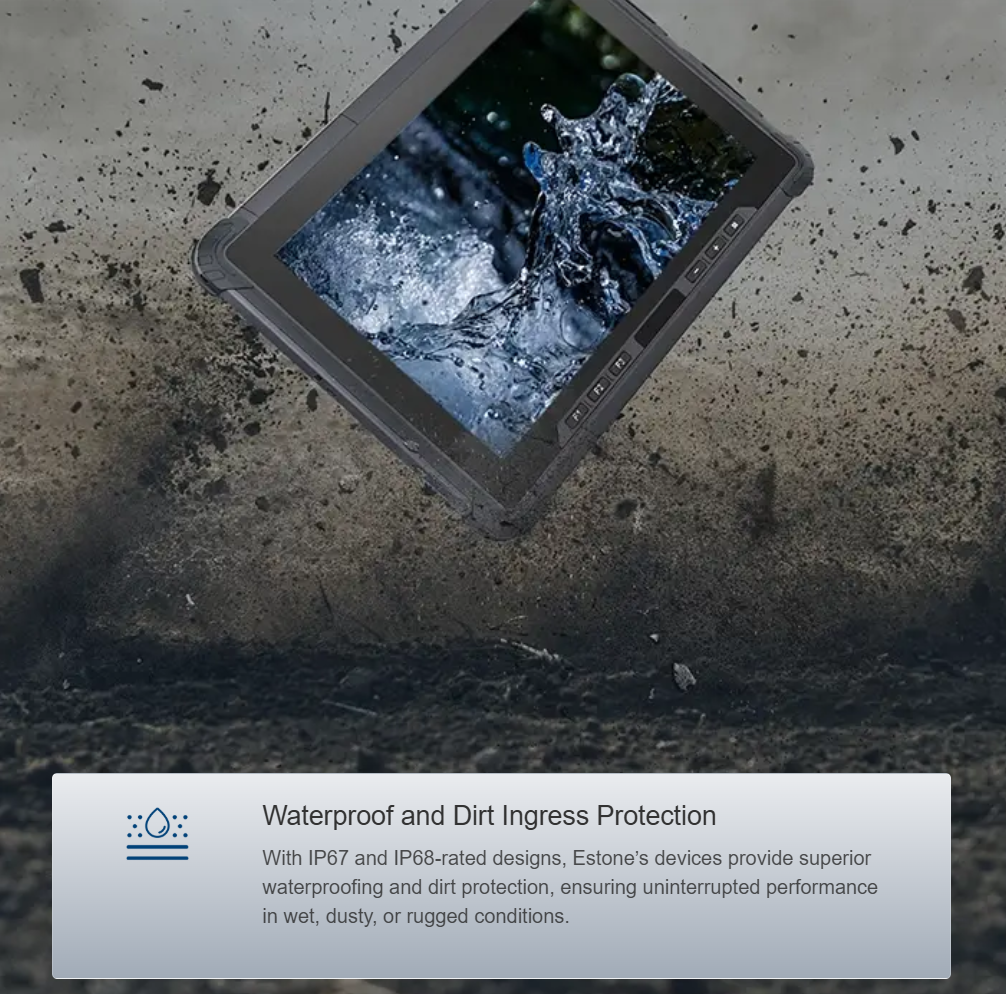
Private-label sourcing grants product control: you can dictate component vendors, insist on custom test protocols, and mandate firmware escrow. That control helps when latency issues surface in field trials — you can force a fix. White-label routes save time and reduce upfront engineering cost but often leave teams dependent on the vendor’s roadmap. Hardware terms like IP67 ingress protection and certified drop testing are useful details, but they are only part of the story. The real measure is how easily a supplier will ship firmware patches or swap a camera module after a deployment in a hot theater. — This is where procurement becomes a long-term relationship, not a one-off purchase.
Common mistakes and practical alternatives
Teams often optimize exclusively for spec-sheet latency and neglect the context of use: lighting conditions, barcode contrast, and concurrent tasks. That leads to overprovisioned hardware or, worse, post-deployment surprises. Practical alternatives include modular designs with hot-swappable decoders, or hybrid approaches where the tablet hosts a primary integrated decoder and accepts external scanning modules for peak-demand scenarios. Another common error is neglecting supplier transparency; insist on profiling tests under MIL-STD-810H scenarios during RFPs — it reveals how barcode decoder latency behaves under temperature shock and vibration.
Three critical metrics to decide wisely
1) End-to-end decode time under stress: measure average and tail latencies while the device runs thermal and vibration cycles specified by MIL-STD-810H. This gives a realistic view of field behavior. 2) Patch and module agility: confirm contractual turnaround for firmware fixes and spare-module swaps. Latency fixes are often software pushes; speed here matters. 3) Operational power budget: quantify decode performance at different battery states and ambient temperatures — a fast decoder that forces CPU throttling is a liability.
Practical procurement blends these metrics with supplier openness. When you pair clear test protocols with a partner willing to iterate, you convert risk into predictable outcomes. The value becomes tangible on the ground: fewer stalled scans, simplified maintenance, and measurable uptime improvements. — A final thought: technical detail without field honesty yields brittle systems; choose the path that accepts both.
Estone