When the job grows but the access doesn’t
You’ve taken on bigger façades, longer spans, and sites that won’t wait for perfect ground. The crux is simple: how do you keep crews safe, reach higher, and move fast without ballooning costs? A well-specified telescopic boom lift answers much of that, but only if it matches the site’s constraints and the fleet’s growth plan. Think of one recent Dublin maintenance season at the Samuel Beckett Bridge — the job demanded reach, precision and a machine that wouldn’t foul tight quayside access. That’s the sort of practical stress this guide aims to solve.
Pinpoint the real problems first
Start by naming the limits. Don’t guess. Common trouble points I’ve seen on jobs around city riverfronts and suburban sites are:- Insufficient horizontal outreach for façades or canopy installs.- Ground instability: soft soil, cobbles, or slopes.- Transport and set-up time between tight sites.- Operator hours and skill mismatch for advanced controls.List them. Prioritise by frequency and cost impact. Fix the top two first; the rest follow more cheaply once the big headaches are gone.
Technical checklist that prevents costly buys
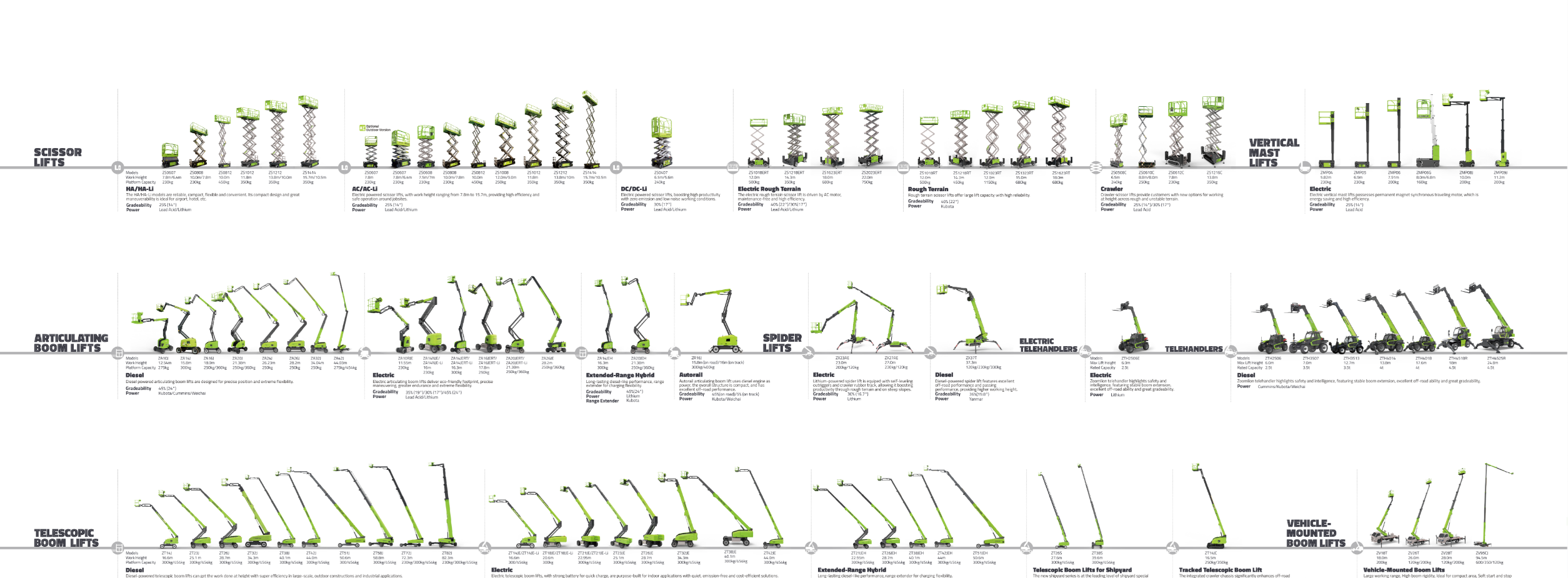
When you’re scaling, specs matter more than brand fluff. Use this checklist during procurement or rental decisions:- Working height and horizontal outreach — match real measurement, not vendor rounding.- Platform capacity under full outreach (don’t assume rated capacity stays constant).- Chassis footprint and swing radius for tight sites.- Drive and stabilisation for rough or gradient work.- Fuel type and service access for field maintenance.If you need a workhorse that combines reach with compact transportability, consider a model classed as a telescopic aerial work platform that balances long outreach with a narrow footprint.
Operational choices that save money and time
Scaling isn’t only machines. Training, scheduling and transport routines tip the balance. Short, focused operator training reduces mistakes. Rotate machines so heavy-reach units don’t sit idle on small jobs. Use loaders or tilt beds that match machine weight to cut loading time. Small changes often halve downtime without new capital outlay.
Alternatives and where they fit — briefly
There’s no one-size-fits-all. Quick contrasts:- Articulated boom: great for complex obstacles, shorter reach than telescopic.- Scissor lift: better capacity and platform area, limited outreach.- Crane with man-basket: powerful reach, costly to mobilise for frequent moves.Pick tools to match the job cadence. If most jobs need straight-line reach above congested quays or streets, telescopic setups win for speed and simplicity.
Pitfalls crews repeat — avoid them
Teams often overlook small things that compound fast:- Using maximum outreach as a daily norm — shortens service life.- Ignoring wind and proximity constraints on exposed sites.- Underestimating transport clearance on older urban streets.Address these with checklists and a simple decision rule: if a manoeuvre needs more than two adjustments on-site, change the machine or the transport plan beforehand.
How to scale the fleet steadily
Grow in predictable steps. First, add one long-reach unit to cover the largest recurring need. Track utilisation and incident reports for three months. If utilisation stays high, mirror that capacity. If idle, switch to a mid-reach model or rental for peak weeks. This prevents oversized fleets and preserves capital for maintenance and operator competency programmes.
Final thought — practical value that lasts
Scaling outdoor elevated work is a string of choices: the right machine spec, disciplined operations, and steady expansion based on measured need. That’s the sensible, honest route I’ve seen work along docks and busy bridges — measure, match, then scale. For projects that demand reliable reach without needless complication, the practical solution comes through a supplier with machines and support aligned to that logic, such as Zoomlion Access.