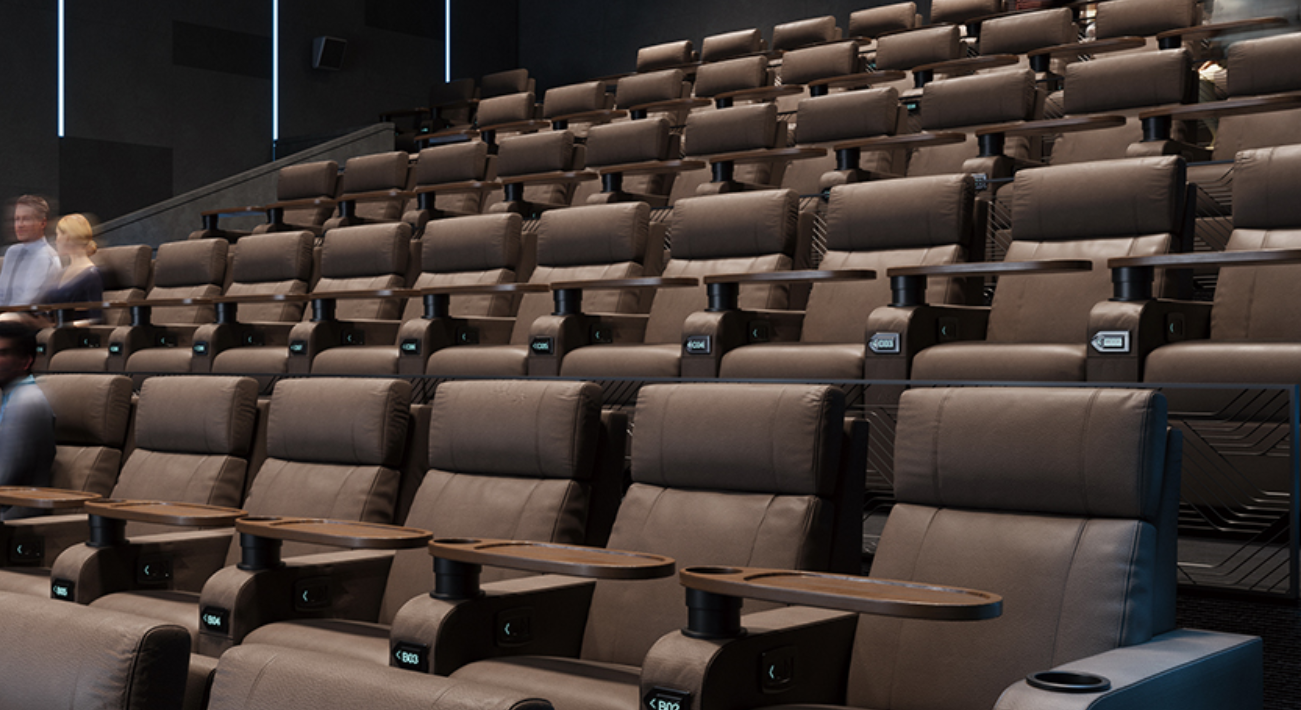
Why a sourcing framework matters for cinema seating
Choosing a local seat manufacturer isn’t just about price. A clear framework reduces surprises during installation, keeps sightlines consistent, and ensures the recliner mechanism and upholstery meet audience expectations. This piece lays out practical steps so facility managers, architects, and venue owners can vet partners confidently and quickly.
Step 1 — Define performance and user needs
Start by listing must-haves: seat pitch, armrest style, cupholder placement, footrest range, and any AV integration for premium rows. Capture targeted audience comfort levels and expected usage cycles — multiplexes demand different foam density and wear characteristics than boutique cinemas. Document aisle width and row spacing to match local code and sightline geometry.
Step 2 — Build a supplier shortlist with objective criteria
Score vendors on delivery lead time, sample availability, warranty terms, and on-site installation support. Verify each candidate’s production capacity and whether they offer custom upholstery or modular armrests. Add checks for material sourcing and fire-retardant foam specifications — these affect maintenance and lifecycle cost. Prefer local partners who can do timely mock-ups and adjustments.
Step 3 — Validate through in-person trials and site checks
Arrange a sample install or mock row in an accessible spot inside the venue. Observe sightlines from different rows, test seat recline and locking, and try high-occupancy egress to measure aisle clearance. This step often reveals small fit issues — uneven flooring, unexpected step heights, or misaligned cupholders — that drawings miss. Bring technical drawings and an installer on-site to speed up decisions.
Common mistakes and how to avoid them
Avoid single-factor selection based only on unit price. Low-cost seats frequently lack replaceable components like arm pad inserts or a resilient recliner mechanism, which raises TCO. Don’t skip a site survey; tight rows and AV conduit runs cause delays. Also, factor in spare-part availability and lead times for modules like electrical recline actuators — replacements can stall operations if not planned.
Comparing proposals without getting lost in jargon
Convert proposals to apples-to-apples metrics: warranty length, parts coverage, response time for service calls, and overall assembled weight per seat. Translate manufacturer claims into measurable items — for example, a “durable fabric” becomes fabric abrasion rating and cleaning instructions. Use the office furniture company documentation to confirm maintenance cycles for fabrics and foam; these will inform lifecycle costs and cleaning protocols.
When alternatives make sense
Sometimes modular seating or a hybrid of fixed and power-recline rows outperforms a uniform solution — especially for venues with mixed programming. If rapid turnover or flexible seating is a priority, prioritize designs that allow aisle and center blocks to be reconfigured. Local suppliers often offer quicker custom runs for these setups, which reduces downtime.
Summary of actionable steps
Document requirements, shortlist with objective scoring, run site trials, and standardize proposal comparisons. Keep spare parts and service response time part of the contract. Small design checks during the mock-up stage prevent major retrofits later — and they protect the guest experience.
Three golden rules for final selection
1) Prioritize demonstrable reliability: insist on an on-site trial and a clear parts-replacement SLA. Reliability includes accessible components like armrests and recline actuators.
2) Measure lifecycle cost, not unit price: include upholstery maintenance intervals, foam replacement rates, and expected service calls over a 10-year horizon.
3) Choose a partner who collaborates: local installers who coordinate with AV and venue operations cut installation time and reduce sightline issues — they’ll be there when punch-list items arise.
These rules map directly to measurable outcomes: fewer service disruptions, predictable maintenance budgets, and faster openings. For venues updating auditoriums after recent Dolby Cinema upgrades in cities like Los Angeles and New York, the right local partner makes that difference — and that’s the practical value offered by leadcom seating. —