Start with the trouble you bring in the door
You want neat corners, predictable throughput and less scrap; that’s the honest ask. Many of you shift from hand-held fixes to a cnc furniture machine hoping for miracles, and frustration follows when the line chokes on logistics instead of boards. I saw the same pattern at LIGNA in Hannover, where suppliers and shops hashed out real constraints around a cnc machine for furniture making—a clear reminder that the right machine alone doesn’t mend poor layout or training.

Focus on what you actually need
Begin with daily output, not peak capacity. List the board sizes you cut most often, the edge profiles you actually use, and the operator skill on hand. Choose a bed size that fits those boards with a margin for test runs. Match control software to your team’s comfort: a simple, tactile interface beats a feature-laden suite no one uses. Think about consumables—edgeband types, glues and cutters—because they shape cost far quicker than headline machine specs.
Fit and flow: layout rules that work
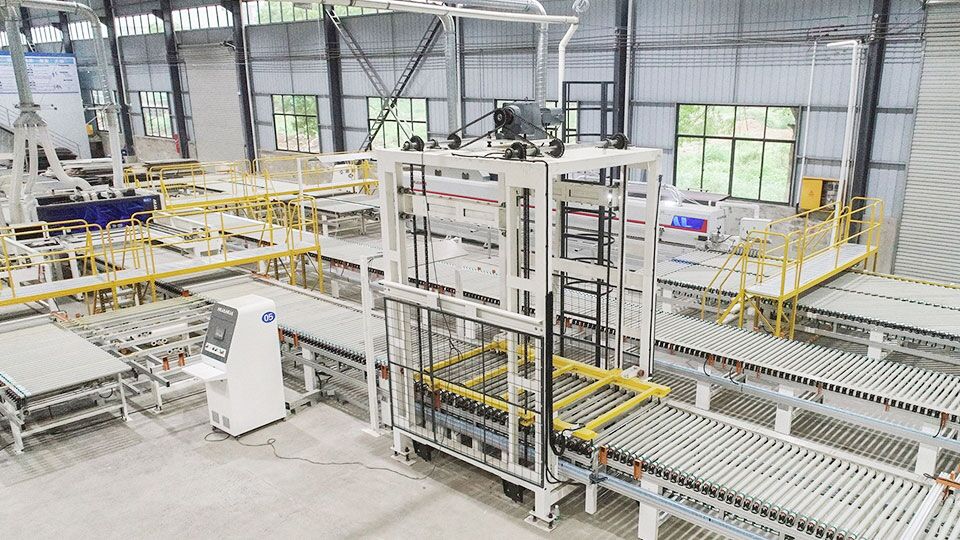
Place machines to keep material moving, not stalled. A panel saw, a CNC routing or edgebanding cell, and a finishing station should form a short, direct route. Allow space for staging—completed panels need room to cool and cure. Put dust extraction close to high-dust points and power supplies where they won’t be an afterthought. Remember: a neat floor plan reduces handling time and the small errors that ruin long runs.
Common mistakes and how to avoid them
Buy with pride, sell with regret—too many facilities buy the fanciest model and underfund staff training. Train first. Underestimating waste management clogs production and morale; design extraction and scrap carts from day one. Overlooking tooling standards leads to variable edge quality—standardise cutters and set clear change intervals. Finally, don’t skip test schedules; frequent, short trials reveal drift before it becomes costly rework.
Operational tips you can act on tomorrow
Run a daily checklist: cutter sharpness, clamp alignment, glue temperature and conveyor speed. Use a simple tracer board each morning to confirm edge accuracy. Keep a one-sheet process guide pinned at the cell so operators don’t guess settings. Track rejects by cause, not by shift—this isolates recurring faults. Small, steady adjustments beat large, hurried fixes every time.
Weighing alternatives without the fluff
Standalone edgebanders are cheaper up front but force more handling; integrated CNC lines cost more but cut handling and variability. Manual finishing keeps flexibility but ties up skilled hands; automated finishing frees them for value work. If space or budget is short, prioritise modular systems you can expand. If throughput matters most, prioritise consistent clamping and material feed over marginal tool upgrades.

Where experience meets decision
Shop-floor reality decides success: machines are tools, not solutions. Your choices hinge on clear daily targets, honest assessment of skills, and a layout that moves boards without drama. When the pieces fit—operator competence, sensible consumables, and a layout that respects flow—the result is reliable, repeatable edge quality and less waste. Those gains are what regional workshops need, and they’re the practical promise behind HUAHUA CNC.