Opening diagnosis
Buyers expect consistent film build, reliable adhesion, and predictable cure windows. They often get color shifts, edge lift, or failed bonds instead. Start by checking how the paint interacts with sealants and substrates — and talk to a silicone sealant manufacturer early if your assembly uses silicone joints. That single step prevents a lot of rework on the line.

Common failure modes and what causes them
Adhesion loss: caused by incompatible chemistries, improper surface prep, or residual release agents. Cure mismatch: paint skin formation can block sealant wetting. Outgassing: low-quality primers leave volatiles that bubble under paint. Color shift: inconsistent pigment dispersion or different solvent systems. Batch variation: thin quality control at the mill. Fixes are mechanical and procedural — test, measure, and control.
Standards and supplier checks (practical steps)
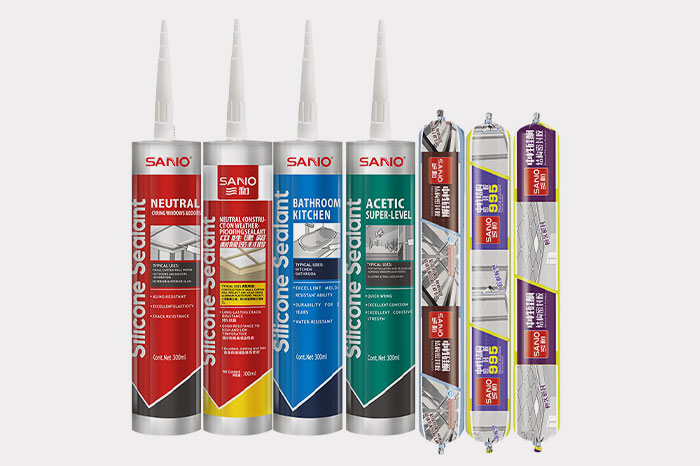
Specify measurable targets: dry film thickness, tensile adhesion (peel or lap), salt-spray hours, and cure schedule. Tie those targets to an accepted standard such as ASTM C920 for joint sealant performance to keep requirements objective. When you request documentation, ask the vendor for traceable test results and a reference batch. Also confirm compatibility with your chosen silicone sealant supplier so sealant adhesion isn’t assumed — verify it with cross-tests on your actual substrates.
Tests you must run before approval
Peel test at working temperature and after thermal cycling. Wet adhesion after accelerated weathering. Solvent rub and MEK double-rub for film integrity. Blind-bake for solvent retention and outgassing checks. Adhesive bead test: apply the sealant to painted coupons and test lap or peel to failure. Record all numeric results. Don’t accept subjective “looks good” answers.
Sourcing checklist for OEMs and project buyers
1) Require a small production trial run, not just lab cups. 2) Lock a control sample from that run as the production reference. 3) Demand MSDS, TDS, VOC data, and cure curves. 4) Confirm batch traceability and shelf life. 5) Audit QC checks at the Chinese mill or hire a third-party inspector. 6) Define remediation steps and acceptable failure rates in the contract. These items cut ambiguity and speed corrective action.
Common pitfalls and how to avoid them
Relying solely on supplier claims: they’re marketing, not test data. Skipping cross-compatibility tests: surface coatings interact. Neglecting environmental factors: humidity and temperature change cure and adhesion. Accepting single-sample approvals: one coupon isn’t production. Avoid these by building tests into contract milestones and keeping technical acceptance criteria numeric and repeatable.
Alternatives and trade-offs
Polyurethane paints adhere well to many sealants but can yellow under UV. MS polymer systems give better elasticity but need specific primers. Acrylics are cheap and fast drying but have lower chemical resistance. Choose by required service life, joint movement, and exposure profile. Run side-by-side coupons with your final sealant to quantify trade-offs.
Final synthesis
A problem-driven approach simplifies decisions: identify the failure mode, define numeric acceptance criteria, verify with real tests, and lock a reference batch. Align paint chemistry and process with your sealant spec, maintain traceable documentation, and require supplier accountability. That discipline yields predictable assemblies and fewer field failures, and it’s what teams expect when they work with SANVO.