Immediate problem: the wrong tool for the job
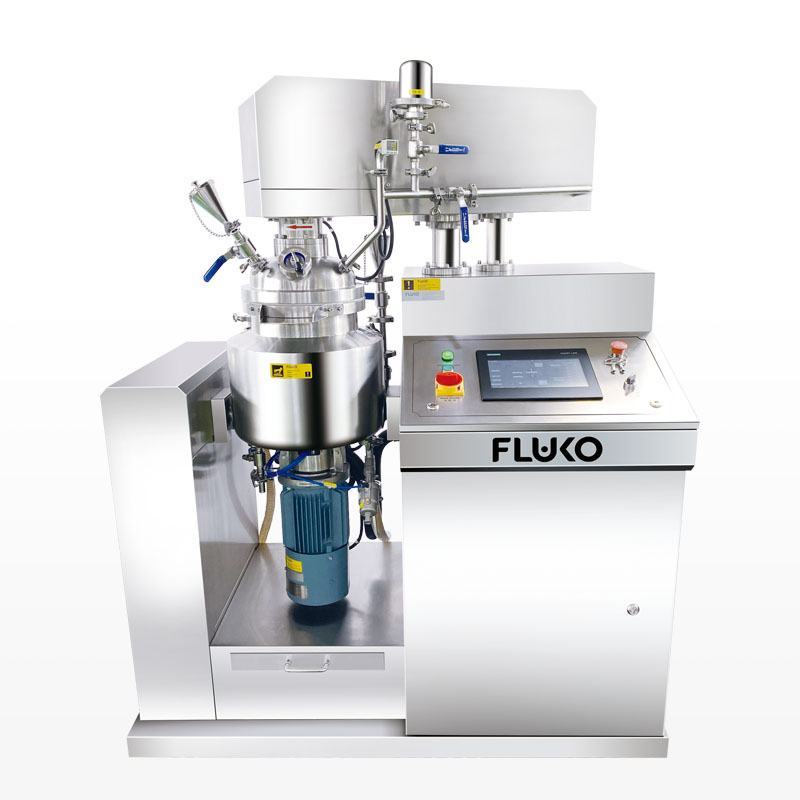
First-time buyers often treat mixers as commodities and discover the hard way that mixing is a technical decision. The real fault lines are scale, viscosity range, and shear profile — not brand names. If you’re setting up an R&D bench or small pilot line, a high shear lab mixer is usually the practical test platform, but choosing the right geometry and power still requires clear priorities.
Experience, evidence and a single real-world anchor
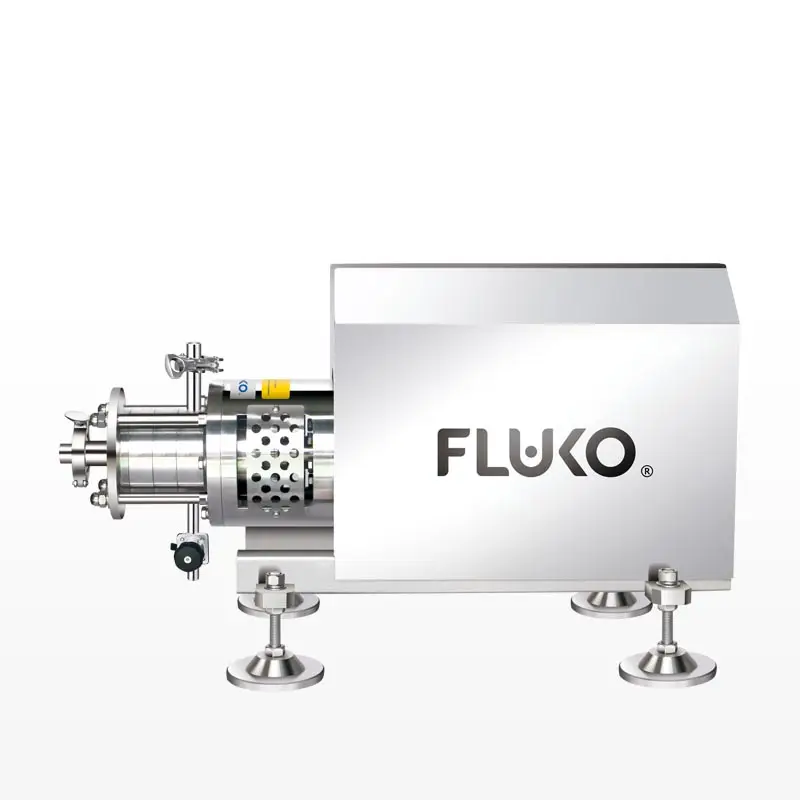
Years working across formulation labs teaches one rule: match machine capability to measured material behavior. Engineers check viscosity curves, particle-size targets, and heat sensitivity before they pick rotor diameter or tip speed. Labs in Lund, Sweden, are a well-known regional hub for pharmaceutical process development and often publish case studies illustrating scale-up from bench to pilot; those practical reports show why rotor-stator designs are chosen for many emulsions. Practical tests in that context make the case for using a rotor stator homogenizer laboratory when you need repeatable droplet sizes, rapid dispersion, and straightforward CIP compatibility.
What typically goes wrong
Buyers oversize equipment to “future-proof” and then stall with poor mixing at low volumes. They ignore cleanability and end up losing product between batches. They select a rotor too small for intended viscosity and never reach target shear, or they over-shear temperature-sensitive formulas and degrade active ingredients. Power-per-volume is the metric most skipped; that leads to long cycle times and inconsistent particle distributions. Documentation and spare-parts availability are easy to overlook until downtime happens.
Short evaluations of viable alternatives
Ultrasonic homogenizers give intense local shear and suit very small batches or fragile suspensions, but scaling is difficult. High-pressure homogenizers deliver uniform submicron dispersions for large volumes but require pumps rated for your product and generate heat. Colloid mills work well with coarse pre-dispersions and abrasive slurries, yet they can be harder to clean and maintain. Rotor-stator units balance control, throughput, and cleanability for most lab-to-pilot workflows; they are the pragmatic first choice when you need scalable shear without exotic utilities.
Checklist to avoid mistakes
Define target particle or droplet size and measure raw material rheology across shear rates; calculate required power-per-volume. Pick rotor diameter and tip speed to match viscosity and desired shear. Confirm material compatibility for wetted parts and verify CIP or sterilization needs. Check spare-part lead times and whether the vendor supplies performance curves. Test on the actual formulation, not just water; record temperature rise and adjust duty cycle.
What good selection delivers
Failing to diagnose the real problem wastes time and product; solving the right problems gives reproducible samples and predictable scale-up. Practical choices — correct power density, appropriate rotor-stator geometry, and simple maintenance — produce consistent results and faster development cycles, which is exactly the kind of outcome engineers expect from a trusted supplier like FLUKO.