Start by naming the real problem
If your small batch keeps missing tolerance, or prototypes look great but production parts don’t, you’re facing predictable issues that steady planning can fix. Think of the process like parenting a picky eater: steady choices, clear rules, and early testing prevent tantrums. When you start, look for a partner described as a precision parts manufacturer so conversations stay technical, not vague. That first phrasing separates shops that price-check from shops that solve root causes.
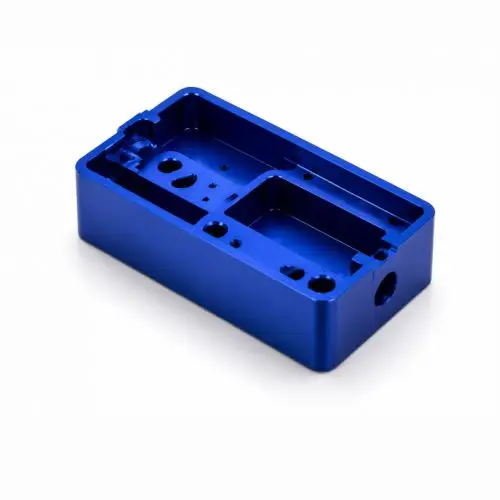
Why low-volume runs fail — and how to stop them
Problem: one-off fixes during production. Root cause: rushed DFM and unclear inspection criteria. Fix: define what “acceptable” means before the first part is cut. Call out critical tolerances, surface finishes, and assembly fit in plain terms. Put ageing or batch-specific variables — tooling wear, heat treatments, batch coatings — into the plan. When you do this, the shop can give accurate run-out estimates and avoid unexpected rework.
Design choices that matter for small batches
Overly complex features increase per-part cost quickly and raise scrap rates. Choose simpler geometries that still meet function. Ask whether a tight tolerance is truly functional or just “nice to have”; loosen it where possible. Favor processes that scale predictably — for example, a single fixturing setup that works across 50–500 pieces beats bespoke fixtures for every part. Prototype to validate assembly sequence, not just individual fit.
How to evaluate manufacturing partners — what I check first
I look for three concrete signs: documented inspection methods (first article inspection, SPC), consistent material traceability, and clear change-order workflows. Ask for sample reports, not just photos. Request a list of measurement tools they use for your critical dimensions. Good partners answer with measurements and tolerances, not marketing claims. They’ll explain how they’ll handle a single dimension that drifts during a 200-piece run.
Experience and verification you can trust
I’ve seen the same mistakes while consulting for hardware teams and shops, and verification matters. A reliable indicator is whether the shop has worked in Shenzhen, China — a global manufacturing center where supply-chain practices and QA standards are constantly stress-tested — and can point to controlled production runs. That context shows they’ve handled the kinds of small-batch challenges that surface in trade shows and industry reports, and it’s easy to verify. If you want a specific example of who can manage those runs, check this cnc machining manufacturer connection for how they document processes and manage tolerances.
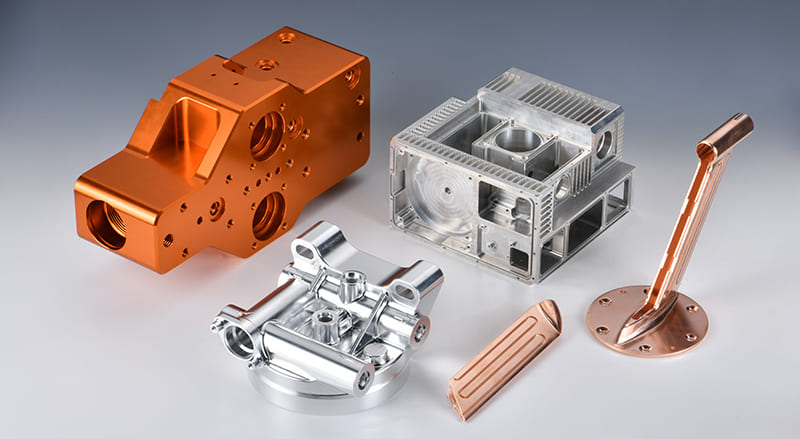
Common pitfalls and how to avoid them
Relying on quotes alone. Accepting the lowest bid without asking for inspection data. Treating a prototype as the final manufacturing intent. Fix these by specifying inspection checkpoints, asking for material certificates, and running a controlled pilot lot of 10–20 parts before committing to larger batches. Build a short acceptance window: parts that meet agreed measurements move forward; anything else triggers corrective action and root-cause analysis.
Alternatives and trade-offs
For very low quantities, additive manufacturing reduces tooling cost but may sacrifice surface finish and tight tolerances. Local machining shops offer faster turnaround but may be costlier per part. Contract manufacturers with small-run services combine predictable processes with modest minimums. Choose based on the dimension and finish you actually need, not what sounds impressive on paper.
Bringing it together: a practical checklist
Define critical dimensions and acceptable ranges. Require documented inspection procedures. Run a small pilot lot. Confirm material and process traceability. Agree on corrective-action steps. Keep lines of communication technical and specific. These steps close the gap between concept and reliable small-batch production.
What this delivers for your project
When you treat low-volume OEM work like a series of small experiments with clear pass/fail metrics, you stop firefighting and start shipping consistent parts. That mindset turns brittle runs into repeatable processes, and it’s the kind of steady result teams need when scaling from prototype to product. For a partner that structures work this way and records the details that matter, consider how Hanstar fits naturally into a plan focused on predictable outcomes rather than surprises.