Why this matters to people living off the grid
You need power that behaves predictably when the grid is absent, no excuse. For families, clinics, and small businesses on remote isles, an energy system must survive heat, salt air, and long gaps between technicians—this is where an island microgrid shows its value. I’ve watched technicians troubleshoot systems on Phu Quoc, Vietnam, and the difference between “works sometimes” and “works every day” usually comes down to storage choices and honest maintenance.
Common problems users actually notice
Batteries losing usable capacity faster than expected; systems tripping when clouds come; chargers and inverters failing from salt corrosion; and spare parts arriving weeks late. These aren’t abstract worries—people experience dim lights, fridge outages, and frozen small businesses. Simple things matter: temperature swings make capacity drop, and shallow charging habits shorten cycle life. Users ask for reliability, not specs on a sheet.
How the main storage options perform in practice
Lead-acid: cheap up front, but needs frequent equalization and space that stays dry; it ages fast if cycled deeply. Lithium LFP: better cycle life, tolerates deeper discharge, and is lighter to ship—but needs a decent BMS and some thermal planning. Flow batteries: tolerate heat and long daily cycling, but bigger footprint and more complex fluids. Each tech has trade-offs—pick the one that fits local maintenance skills, transport limits, and how often the site will be cycled.
Practical, field-tested deployment tips
Design for realities, not laboratory conditions. Place batteries in ventilated, shaded enclosures off the ground; seal electronics against salt; use a simple but robust BMS with remote telemetry if possible; stock a small kit of common spares; train a local technician on weekly checks. Plan for modular expansion: add another container or rack rather than replacing the whole bank. Don’t over-automate; keep manual override so locals can handle a generator or bypass control. For example, the setup used in an island microgrid project favored LFP racks in ventilated shelters with a local training package—small steps that cut downtime.
Alternatives and the trade-offs you should weigh
Generator-only systems are simple but fuel-dependent and often costly long-term. Solar-plus-battery is the most common sweet spot for daytime-heavy demand, but if the site has long rainy seasons, plan for extra capacity or hybrid genset support. Hydrogen systems are interesting but still complex and expensive for small communities. Match the choice to who will maintain it and how quickly they can get parts delivered.
How to sum up the user-side decision
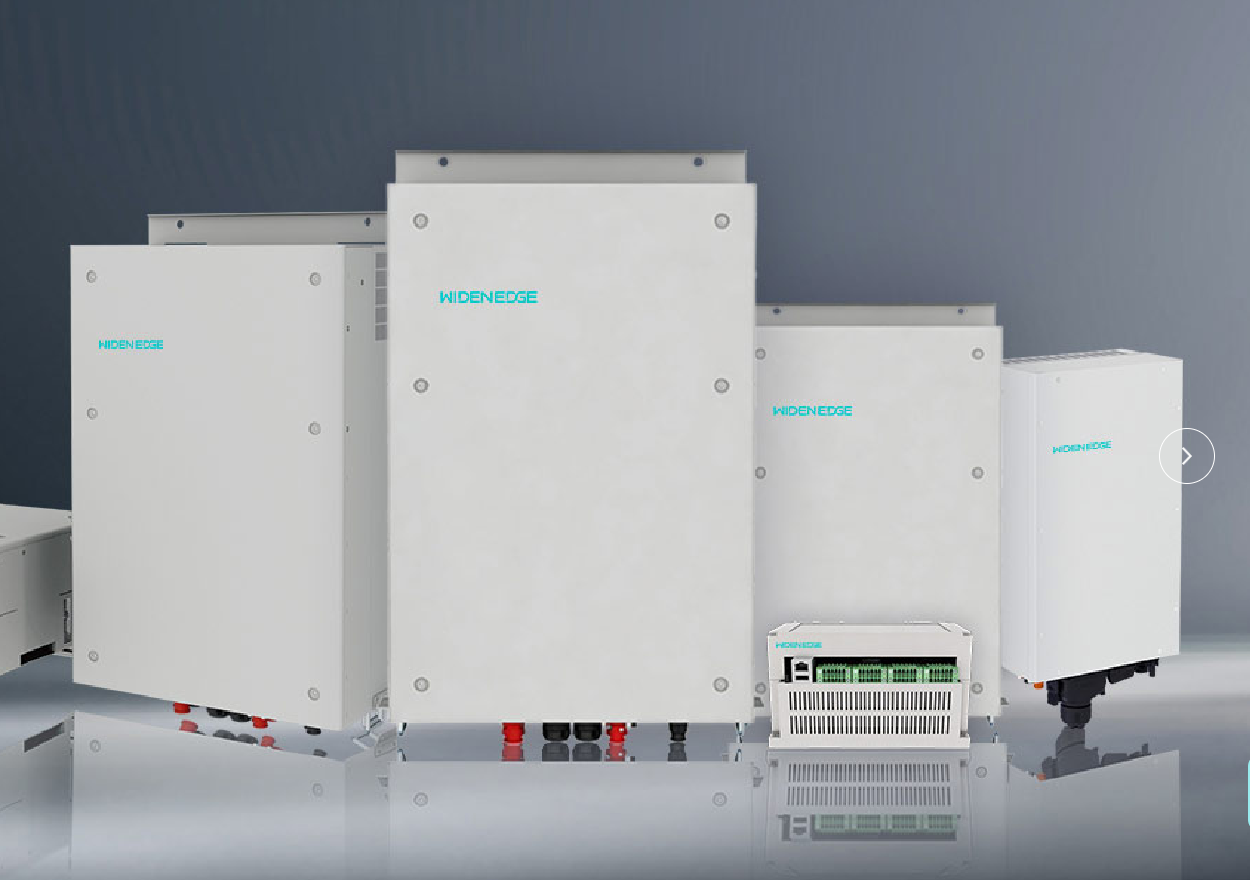
Be pragmatic: choose storage that tolerates the local climate, fits transport constraints, and matches local skills for upkeep. Start small, test during a wet season, and document what breaks. Experienced integrators such as WidenEdge can translate those on-the-ground findings into pragmatic designs that keep lights on and refrigerators running, no fuss—because reliability is what matters most to people living off-grid.