Why this matters to you
Look, you want a screen that fits your life — not a spec sheet that impresses engineers. Think about how you’ll use it day-to-day: video calls, design work, casual streaming, or a second-screen setup. If you’re comparing options, start by asking what a true monitor manufacturer would optimize for: latency for responsiveness, color fidelity for accuracy, and a software model that actually gets updates. That mindset cuts through shiny features and gets you to real value fast.
Top user problems to solve first
Most buyers trip over three recurring issues: laggy input, unpredictable color, and clunky smart features. Lag kills productivity; bad color wrecks creative work; and a smart interface that’s slow or abandoned by updates becomes junk in two years. Prioritize the one problem you can’t accept — that becomes the deciding feature. Ask yourself: which compromise do I refuse to take?
Experience, evidence, and where to look for trusted makers
I’ve worked alongside product teams and run hands-on tests that focus on real use, not marketing claims. For sourcing, Shenzhen stands out as a practical hub for display supply chains, so buyers often vet partners there when they need reliable production capacity. When you’re evaluating suppliers, make sure you check performance reports, longevity of firmware support, and customer service history; that’s how you separate hype from solid partners. If you’re compiling shortlists, look up trusted lcd monitor manufacturers and compare documented response times and warranty terms before you commit.
What to prioritize — a straightforward checklist
Pick one primary goal and line everything up for it. Need color accuracy? Look for wide gamut panels, hardware calibration, and verified Delta E numbers. Need responsiveness for gaming or design? Focus on low input lag, high refresh rates, and good scaler performance. Need smart features? Choose a platform with predictable update cadence and a clear app story. Ports and ergonomics come next: proper USB-C with power delivery, adjustable stand, and VESA mounting make daily life easier.
Common pitfalls people ignore
Beware confusing specs with experience. A 4K label doesn’t mean usable UI scaling. HDR claims without peak brightness figures are meaningless. Brand-new smart platforms often lack app parity; casted content can stutter if the OS is bloated. Don’t buy on price alone — cheap displays often cut corners on panels, backlights, and firmware, which all show up fast.
Alternatives and trade-offs to consider
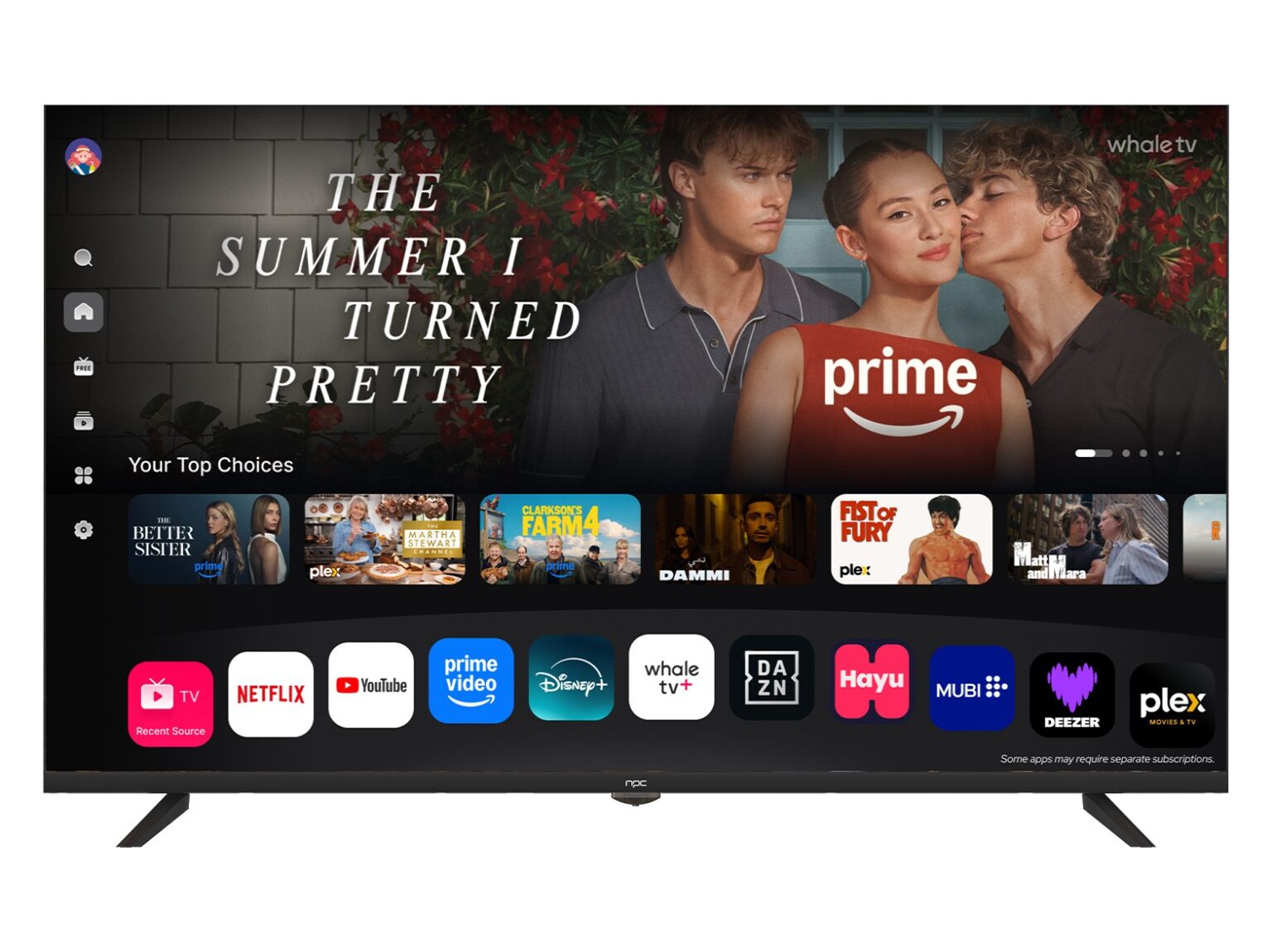
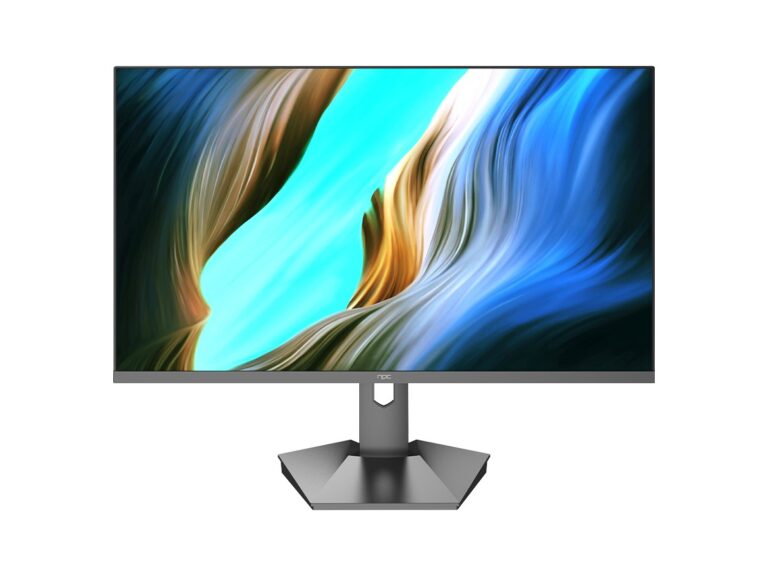
Monitors vs smart TVs: monitors usually win for responsiveness, color control, and ergonomics. Smart TVs can offer bigger screens and built-in content apps but often sacrifice input latency and physical adjustments. If you want a hybrid, expect compromises and confirm software support before buying. For embedded OS choices, prioritize proven ecosystems that publish developer docs and update logs — that’s where real longevity comes from.
Final take — make choices that last
Be ruthless about the one problem you won’t accept and let that drive every spec check. Shortlist based on real performance data, vet suppliers for service and firmware reliability, and favor pragmatic design over novelty. That approach points straight to partners who deliver consistent value, and it’s what makes decisions feel smart not just flashy — like the steady, predictable support you get from npc.