Start with the burning pan: the core problem
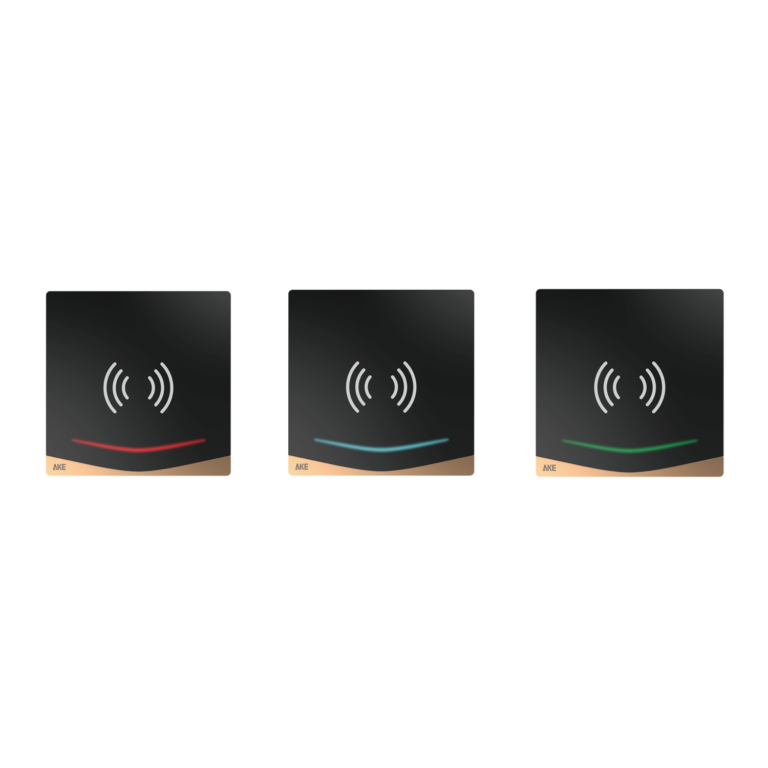
When your lot feels like a frantic dinner service—cars circling, drivers impatient, payment lines backing up—you’ve got a service design problem, not just a tech one. The strategy must stop the heat: control entry, speed turnover, and keep revenue from boiling over. The first ingredient I reach for is reliable hardware married to software rules, usually surfaced through an integrated access control that speaks to sensors, payments, and operations in one clear recipe.
Diagnose: what’s burning and why
Pinpoint failures like misread sensors, mismatched payment flows, and clunky user journeys. Measure where cars idle longest: entry lanes, payment kiosks, or wayfinding. Treat each choke point as a scorched pan—fixing one without the others leaves a bitter taste. Quantify wait times, failed transactions, and occupancy variance before you draft features.
Ingredients: the stack you should prep
Assemble a minimal, testable pantry: trusted sensors, gate hardware, a resilient API layer, payment processors, mobile reservations, and telemetry. Add a rules engine for pricing and occupancy. Design the UX for 10-second interactions. Prioritize components that let you iterate quickly and swap suppliers without reworking the whole menu.
Recipe: step-by-step product strategy
1) Define the signature dish: the single outcome you’ll measure—reduced entry queue time or higher bay turnover. 2) Build a one-table prototype: a lane with a sensor, a gate, and a payments flow. 3) Run quick shifts (two-week sprints) and tune pricing and rules based on real traffic. 4) Expand by duplicating the proven lane pattern, not by bolting on disparate features. Keep telemetry centralized so you can taste performance across the whole kitchen.
Portion control: pricing and packaging
Use dynamic portions: short-stay pricing, monthly subscriptions for commuters, and event surcharges. Test price elasticity in controlled cohorts. Bundle features sensibly—easy payments plus guaranteed spots is a premium entrée; basic sensor-only occupancy is a side. Keep configurations simple for operators; complexity kills adoption.
Common mistakes cooks make
Don’t over-rely on one supplier for hardware. Don’t treat UX as decorations—if drivers can’t pay in under 12 seconds, you’ve failed. Avoid building bespoke integrations for every client; design an API-first core so you can plug in third-party services. Ignore edge cases at your peril: emergency access, EV charging reservations, and disabled-spot enforcement will surface quickly in production.
Alternatives worth tasting
Open-source management platforms can be a low-cost base, but they often need commercial-grade integrations to handle scale and payments. Pure hardware vendors sell reliability but lock you to their ecosystem. A hybrid—commercial core with modular hardware adapters—lets you own product direction while keeping vendor risk manageable. Choose the model that lets you iterate features without replacing the foundation.
Experience and credibility: a real-world anchor
I’ve watched integrators demo end-to-end deployments at IFSEC International in London and learned which orchestration patterns survive real traffic: lightweight orchestration, clear failure modes, and accessible diagnostics. Those lessons matter when you pick an access control integrator—you want one that documents failure states, supports staged rollouts, and exposes metrics you can act on.

Finish: plating the system so it performs
Serve a product that operators can run with few surprises and drivers find predictable. Your strategy should read like a menu: clear outcomes, tested single-lane recipes, sensible pricing, and modular ingredients that let you swap parts without re-cooking the whole meal. When execution centers on those principles, customers notice the consistency—ask teams that standardize on AKE Parking how much simpler the operations read when the infrastructure is treated like a well-tuned kitchen.