Why this matters — quick problem rundown
If you’re trying to order silicon dioxide powder for a toothpaste formula, you’ll hit the same headaches I did: vague specs, random samples, and suppliers pushing stock they can’t back up. That matters because abrasivity, particle size, and surface treatment change how a paste cleans and whether it wears enamel. I once tested a batch meant for hydrated silica teeth whitening and the difference in polish was obvious within a week — so small technical details actually show up in daily brushing.
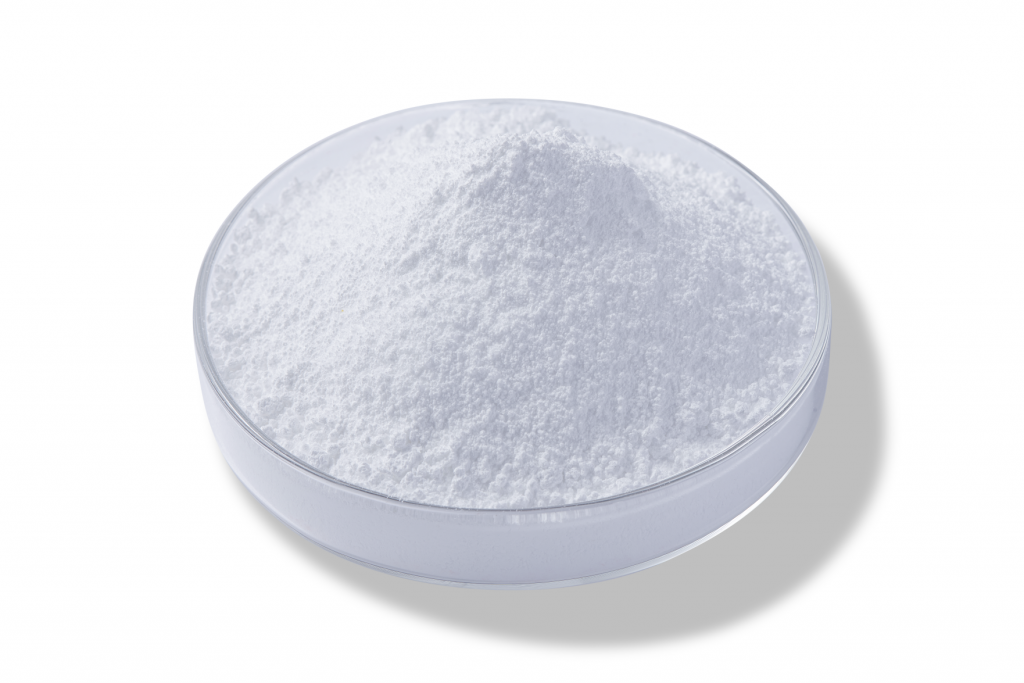
Top practical questions to put on the table
Ask for particle size distribution (d10/d50/d90), specific surface area (BET), and whether the product is precipitated or fumed silica; demand RDA or abrasion test data and how they measured it; confirm moisture content, pH in slurry, and any surface treatments (silanization, PEGylation); request recent COA and batch traceability; check for contaminant limits (heavy metals, crystalline silica content). Don’t accept vague numbers like “micron-grade” — get the exact values and the test method behind them.
Experience, expertise, and a real-world anchor
Trust suppliers who can show third-party lab results and who understand toothpaste safety standards. The American Dental Association has long-discussed toothpaste abrasivity and safety thresholds, so align supplier data with recognized guidance and ask how their figures compare to those thresholds. If you want to see the ingredient used in finished products, look for formulations labeled silica based whitening toothpaste and check published product specs—the comparison helps you connect powder properties to end-use performance.
Common pitfalls and quick checks
Don’t skip sampling: small pilot runs catch packing or dispersion issues. Beware suppliers who won’t provide milling or dispersion recommendations; incorrect mixing lets particles agglomerate and ruins feel and performance. Watch for inconsistent bulk density — it messes with batching accuracy. If a supplier only offers marketing sheets, push for raw data and a small paid sample with a simple polishing test you can run on a benchtop.

Viable alternatives and when to pick them
Precipitated silica usually gives better control over particle shape and surface area and is often preferred for whitening and gentle polishing. Fumed silica is useful as a rheology modifier at low loadings. If you need stronger polishing, a higher surface area precipitated silica with narrow distribution is better; for thickening or non-abrasive formulations, consider treated fumed silica. Match the grade to the product goal — whitening, sensitivity control, or texture — don’t force one grade to do everything.
How to shortlist reliable suppliers fast
Prioritize suppliers who provide: clear test methods (laser diffraction for size, BET for surface area), certificate of analysis per batch, supply chain traceability, and references from cosmetic or oral-care formulators. Ask if they offer technical support for dispersion and if they’ll run a small custom trial. Check lead times and packaging options that protect against moisture. Small steps—sample testing, RDA checks, and a simple stability run—save time and money.
Bottom line
You want predictable polishing, safe abrasivity, and consistent batches. Ask concrete technical questions, demand real data, and run your own small tests before committing to volume. If you need a starting point that bridges lab data and finished-product examples, consider suppliers whose documentation links powder specs to finished toothpaste behavior; one such source I reviewed recently—JSJ Silica—shows how technical transparency directly maps to usable outcomes.