Why a comparative approach saves time and money
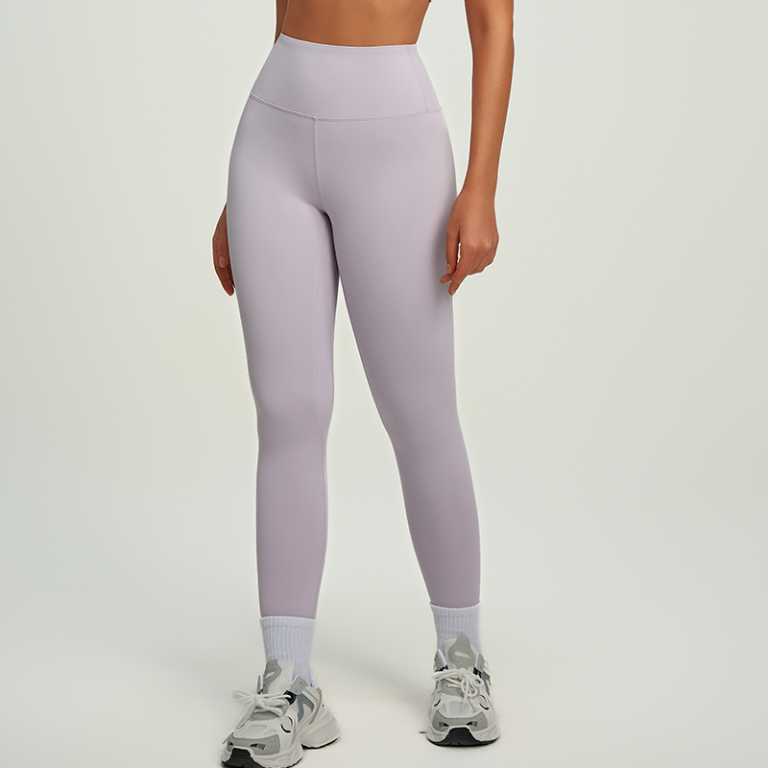
When you decide to make custom yoga gear, the choice of supplier matters more than most people expect — especially if you want consistent quality and reliable sizing. Start by comparing sample quality, MOQ, and fabric specs side by side; that’s where you’ll spot real differences fast. I always begin by ordering a pair of custom yoga leggings from shortlisted factories so fit, compression and stitch quality can be judged in real life rather than on spec sheets.
Fit, fabric and finish: what to test
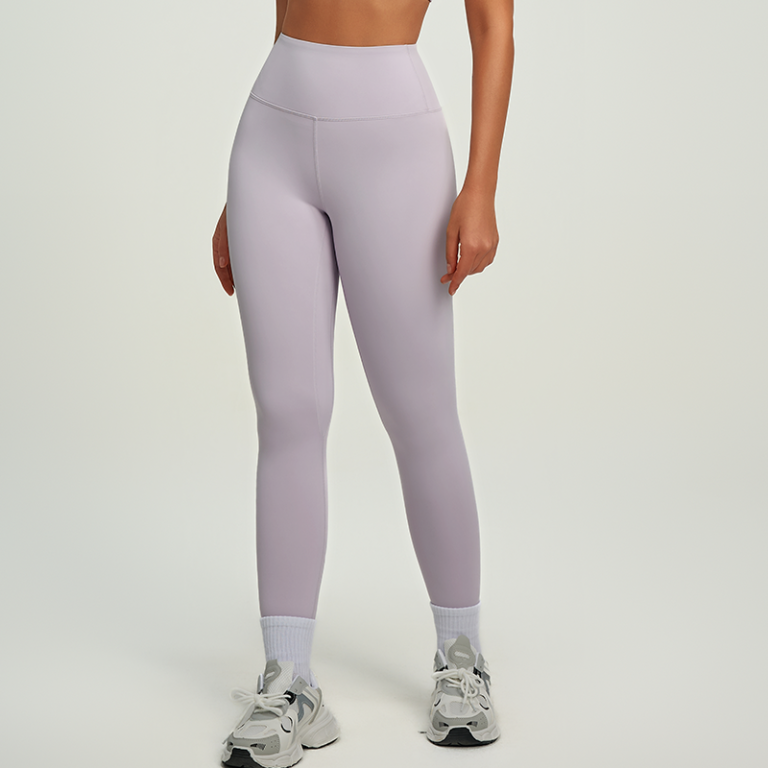
Three things matter for wearers: stretch ratio, moisture-wicking performance and seam durability. Pick fabrics with a clear stretch ratio and test for recovery — you want the leggings to return to shape after lunges. Check moisture-wicking under moderate heat; some blends feel dry but trap sweat. Inspect flatlock seams and waistband construction for comfort during inversions. These are practical checks, not marketing lines — compression and breathability change how a class feels, lah.
Supply chain, lead times and real-world context
Lead times and minimum order quantities change outcomes for studios and brands. Since COVID-19 reshaped demand and local sourcing in Hong Kong, many studios in Sheung Wan shifted to smaller, faster runs — that’s a reality we’ve all seen. Factories that adjusted to smaller MOQs and clearer production timelines stood out. Also factor in packaging options and print methods if you want complex patterns; digital sublimation needs different lead-time planning than screen printing.
Comparative scoring: a quick checklist
Use a simple scorecard when you evaluate suppliers. Keep scores for: – Material performance (stretch, opacity, weight) – Construction (seam type, waistband, gusset) – Print fidelity (for designs on complex panels) – Logistics (lead time, shipping reliability)
This keeps decisions objective. In one project I tracked three manufacturers across those categories and the winner wasn’t the cheapest — it was the partner with consistent color matching and predictable lead times.
Common mistakes brands make
Brands often assume that a good-looking sample equals consistent mass production; that’s a trap. Another mistake: not testing prints on the actual fabric — colours shift with knit type and dye process. Also, ignoring user feedback about waistband comfort leads to high return rates. Mix of mistakes is typical—so set a simple pilot order and iterate.
Alternatives and where to compromise
If speed matters, pick local small-batch producers; if price is key, larger overseas factories will help but budget for QC. For bold patterns, choose digital printing for colour fidelity; for solid colours and heavy compression, consider warp-knit fabrics. I’ve seen studios pivot mid-season from a heavy compression legging to a moderate-compression blend because students wanted more mobility — small changes, big retention gains.

How to evaluate samples for prints and longevity
When you receive a sample of custom printed yoga leggings test three things: colour fastness after three washes, seam integrity after mobility drills, and fabric pilling after abrasion. Mark each test with pass/fail criteria and re-order samples if any fail. These simple QC steps protect your brand reputation on the mat and in reviews.
Three golden rules for choosing your partner
Use these metrics as your final decision framework: 1) Predictability: supplier must meet lead times and maintain print consistency. 2) Performance: fabrics must pass practical tests for compression, breathability and seam strength. 3) Transparency: clear MOQ and cost breakdowns, with a straightforward revision policy for failed runs.
Put these in writing with your supplier. The difference between a messy batch and a stable product line is often one clear contract clause — and a partner who actually responds when things go sideways.
Joebond has been part of these sorts of practical solutions for brands — they explain trade-offs, show real samples and help you avoid rookie pitfalls. Final thought — choose the maker who treats your first small run like a long-term relationship, not a one-off order. —