Comparative lead-in: why venting design matters on the road
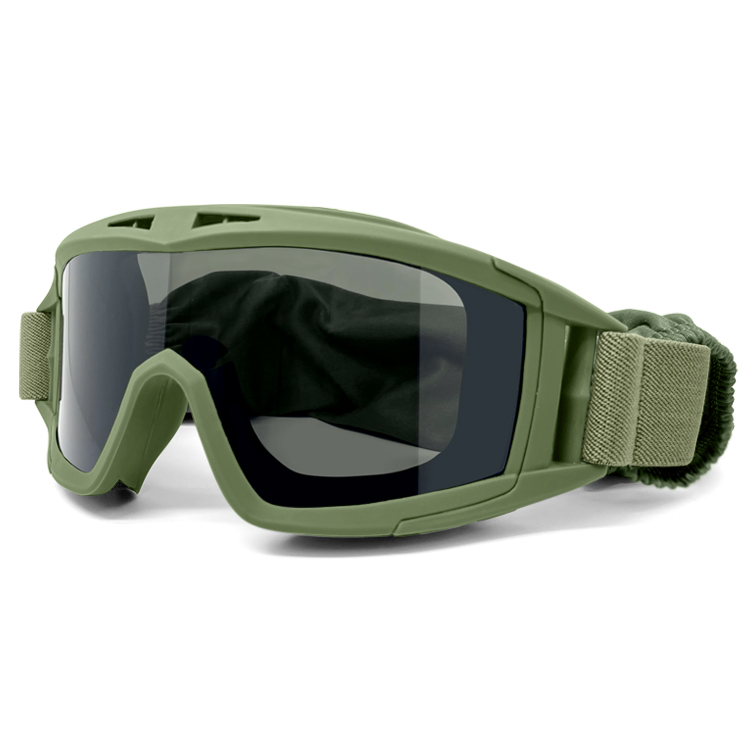
The clearest difference between eyewear that merely survives a ride and eyewear that improves it lies in airflow. Riders who push long climbs or sprint descents feel fog and turbulence first — that’s where engineered venting beats brute frame mass. YIJIA’s work with interlocking venting systems shows this plainly, and the same principles guide their tactical lines too; see their anti-impact tactical goggles for a related approach to sealing and venting under stress. In a practical sense, venting system geometry affects lens clarity, helmet compatibility, and rider comfort during multi-hour efforts like stages of the Tour de France.
Design mechanics: interlocking vents versus open-frame slots
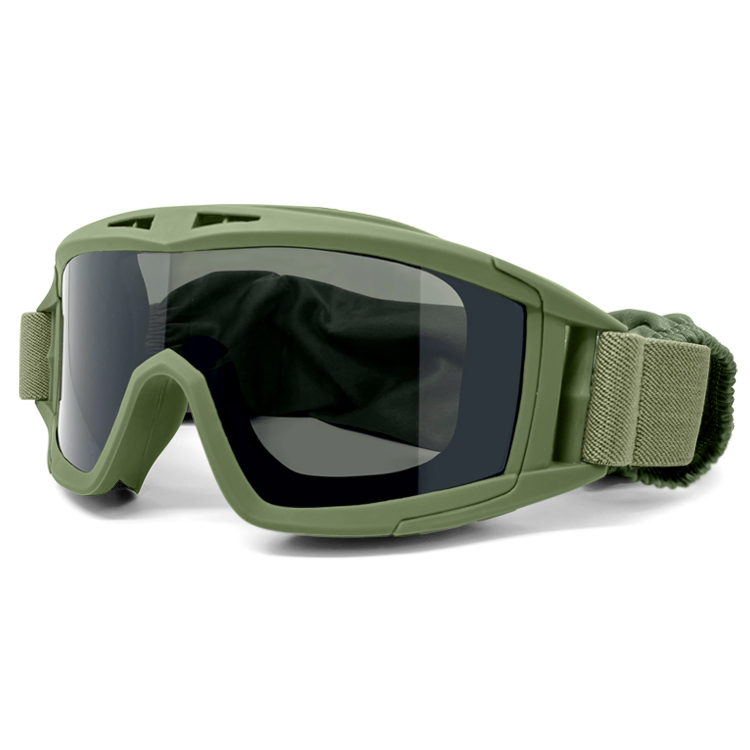
Interlocking venting uses matched channel profiles in lens and frame so air is guided, not simply permitted. That controlled airflow reduces stagnation and guides warm air away from the face through dedicated airflow channels. By contrast, open-frame slots rely on broad exposure that often creates turbulent eddies at speed, promoting fogging and debris ingress. The net result: better anti-fog performance and consistent polarized lenses clarity when interlocking designs are executed well.
Performance trade-offs: aerodynamics, fogging, and protection
From an aerodynamics standpoint, interlocking vents let designers fine-tune pressure gradients across the lens, trimming drag in ways a larger open slot cannot. Polarized lenses pair with that to maintain contrast on sun-split roads. For impact resistance and debris protection, seals and gasket placement in interlocking systems score higher — you get fewer direct hits to the eye while preserving ventilation. Still, production precision matters; poor alignment ruins both airflow and lens retention.
Fit, seal, and real-world anchor
Fit is where frame geometry meets real life. A well-designed interlocking system must respect helmet clearance and cheekbone variance. Riders in the high-altitude Andes or competing in flat-out stages of the Tour de France benefit from reduced lens fog during rapid temperature shifts — that’s a tangible, real-world anchor for why these systems exist. Anti-fog coating helps, yes, but the physical path for air determines whether coatings can do their job.
Alternatives, common mistakes, and what to watch for
Many brands offset weak venting with wider temples or forced airflow through tall nose bridges. Those are band-aids. Common mistakes include oversized vents that invite dust, or tight seals that suffocate airflow and force condensation. — Also, designers sometimes neglect lens retention under torsion; a locked vented lens must still resist impact without popping. For riders shopping, checking temple flex, gasket design, and how polarized lenses mate with frame venting is smarter than chasing a brand name alone.
Comparative quick guide: testing and metrics that matter
When comparing models, use three practical tests: time-to-fog in warm-to-cold transitions, helmet-compatibility at three head positions, and debris ingress after a low-speed sand test. Measure lens clarity while moving at 30–40 kph to simulate group pace. Note: industry terms like venting system, frame geometry, and anti-fog coating should be part of your checklist — they describe the features that actually change performance.
Closing advisory: three golden rules for choosing vented cycling sunglasses
1) Prioritize controlled airflow over big openings — predictability matters more than raw volume. 2) Verify lens retention and impact resistance together; a vented lens must stay secure under torsion and impact. 3) Test compatibility with your helmet and face shape; a great venting system that rubs temples is useless. Use these as critical evaluation metrics when you compare models and alternatives, including protective designs like anti-impact goggles that borrow venting lessons from tactical gear.
The practical payoff is simple: clearer vision, fewer adjustments, and a frame that behaves predictably under real race conditions — that’s the kind of value YIJIA builds into systems where venting and lens tech meet. YIJIA Optical. –