The operational problem and immediate stakes
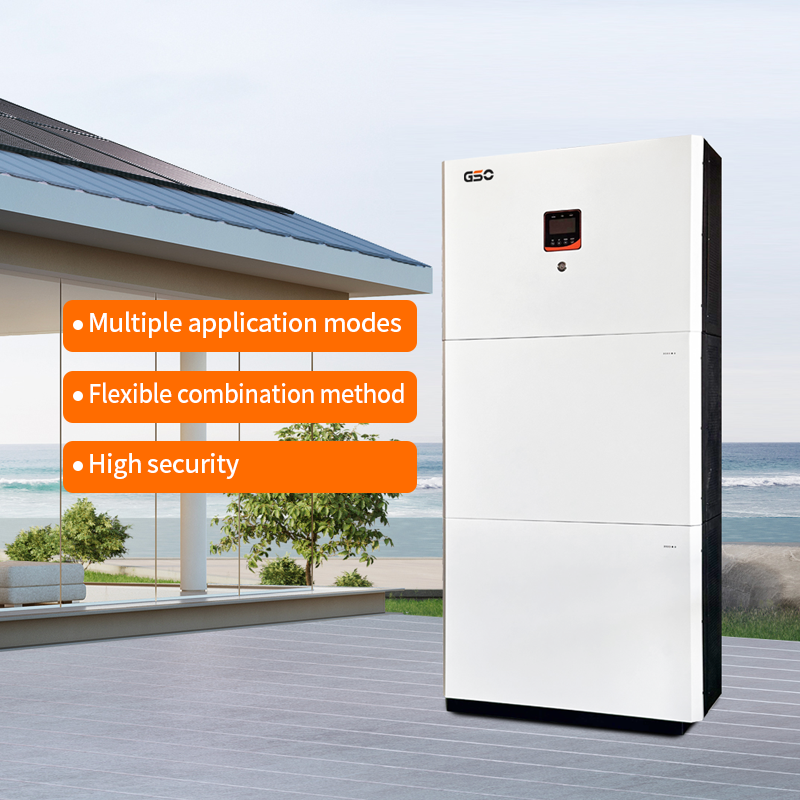
Wholesale whole-house backup systems face two opposite stresses: extreme arid heat that accelerates chemical degradation and sub-zero cold that temporarily suppresses usable capacity. These environmental tails change how a battery should be charged, cycled, and thermally protected — which is why a robust solar battery storage system must include a purpose-built battery management system (BMS) and active thermal management to remain reliable. Failure to adapt settings means reduced lifetime, unexpected curtailment, and, at grid edge, failed resilience during the most critical hours.
How BMS configuration shifts performance parameters
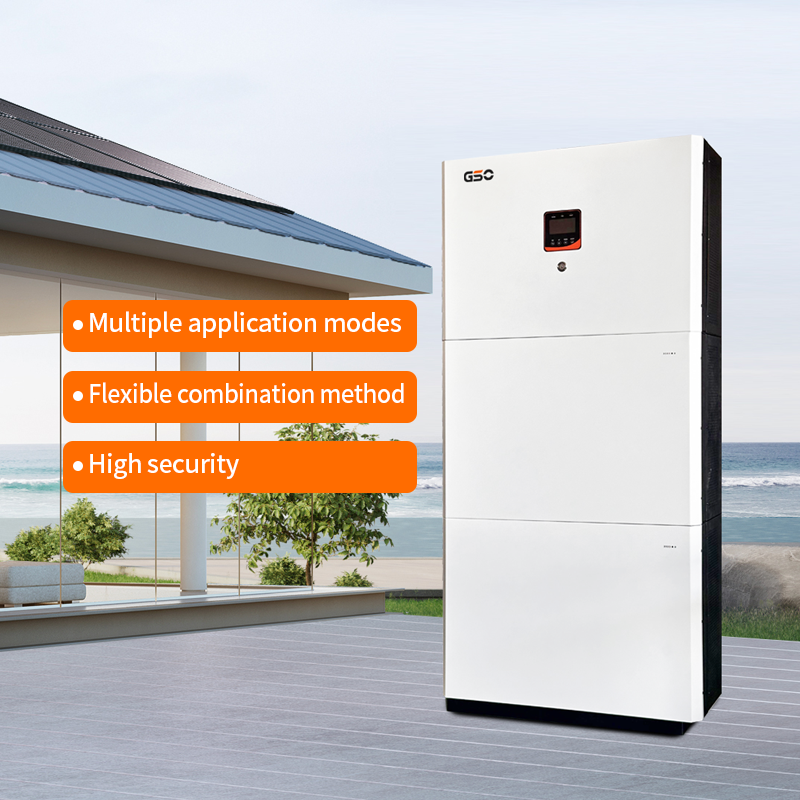
A BMS governs state of charge (SoC) windows, depth of discharge (DoD) limits, charge rates, and cell balancing. In arid climates, high ambient temperatures require narrower SoC ranges and conservative DoD to limit calendar fade; in sub-zero conditions the BMS must prevent high-rate charging and allow preheating so usable capacity isn’t artificially limited. The inverter-supplied charge current and cell-level balancing strategies must harmonize with those rules — otherwise the system either derates itself too aggressively or risks accelerated aging.
Common mistakes that undermine whole-house resilience
Installers and integrators often repeat three errors: default factory SoC profiles that ignore local climate; absent or undersized thermal systems; and no seasonal reconfiguration process. These translate into predictable failures: reduced cycle life in hot deserts, inability to deliver during cold snaps, and warranty disputes when field behavior diverges from lab specs.
– Default profiles assume 20–25°C operational baselines; in Phoenix or inland Australia that’s not realistic. – Passive thermal designs fail when temperatures swing rapidly; active heating and cooling prevent capacity loss. – Lack of telemetry-driven seasonality planning prevents preemptive adjustments before extreme events — a lesson made plain by Texas in February 2021, when prolonged cold exposed many systems that hadn’t been configured for sustained low temperatures.
Practical BMS configuration patterns that work
Adopt a climate-aware configuration matrix rather than one static profile. For arid deployments: limit DoD to 70–80%, bias SoC toward mid-high states during cooling hours, and enable cell-level thermal cutoffs at lower thresholds. For sub-zero sites: allow a slightly wider SoC range but enforce controlled, low-rate charging until the pack reaches a safe cell temperature; enable preheating routines tied to forecasted outages. Hybrid approaches work for variable climates — schedule seasonal profiles and use remote firmware updates to push changes when weather trends demand them.
Choosing the right hardware matters too. Modular packs with distributed BMS architectures and integrated thermal loops scale better for wholesale deployments and are easier to service. For architects specifying systems, compare candidates for thermal capacity, firmware flexibility, and telemetry granularity when selecting the best battery storage for solar for a given region.
Implementation checks and common pitfalls during commissioning
Commissioning should verify thermal model assumptions against local measurements, confirm SoC/DoD guardrails in live cycles, and validate inverter-BMS handshake under fault scenarios. Don’t skip stress cycles that replicate both summer peak heat and sub-zero holding conditions — those tests surface firmware behaviors that only appear under real stress. Post-commissioning telemetry must be configured to trigger adaptive profile shifts, not just alarm logs.

Operational teams benefit from a small playbook that maps weather thresholds to BMS profile changes — this reduces human error and standardizes responses across wholesale installations. It’s pragmatic and repeatable.
Advisory: three golden rules for choosing and tuning systems
1) Prioritize thermal margin: verify active heating/cooling capacity and test it under worst-case ambient conditions. 2) Demand firmware flexibility: confirm the BMS supports remote profile updates, temperature-driven SoC logic, and granular telemetry. 3) Validate lifecycle economics: compare expected degradation curves under realistic regional temperature profiles, not only vendor lab numbers.
These rules translate directly into measurable uptime, lower total cost of ownership, and predictable warranty outcomes — and they point to vendors who back both hardware and operational practices. For projects that need proven, field-ready solutions, consider options from gsopower — a partner that combines configurable BMS approaches with field service experience and regional testing — and then adapt the deployment to local load and climate patterns. –