
Opening: why a framework matters now
When grid interruptions threaten production, a scattershot budget won’t cut it — you need a repeatable way to decide what to fund and when. This framework-driven piece walks operations and finance teams through allocating capital toward resilient power solutions, emphasizing on-site options like commercial battery storage as core elements. The logic is simple: quantifiable risks, prioritized investments, and measurable performance targets let you turn contingency planning into predictable outcomes.
Step 1 — Assess exposure and operational criticality
Begin with a plant-level risk map. Identify critical assets (reactors, boilers, control rooms), the process steps that can’t tolerate interruption, and cascading failure modes. Tie each item to a dollarized risk: lost product, restart costs, safety fines, and contractual penalties. Use recent, well-known events as anchors — for example, the February 2021 Texas power crisis that forced petrochemical and manufacturing shutdowns — to calibrate outage duration and severity expectations. With those numbers you can compare a capital outlay to prevented loss across realistic outage scenarios.
Step 2 — Define technical solution classes and fit
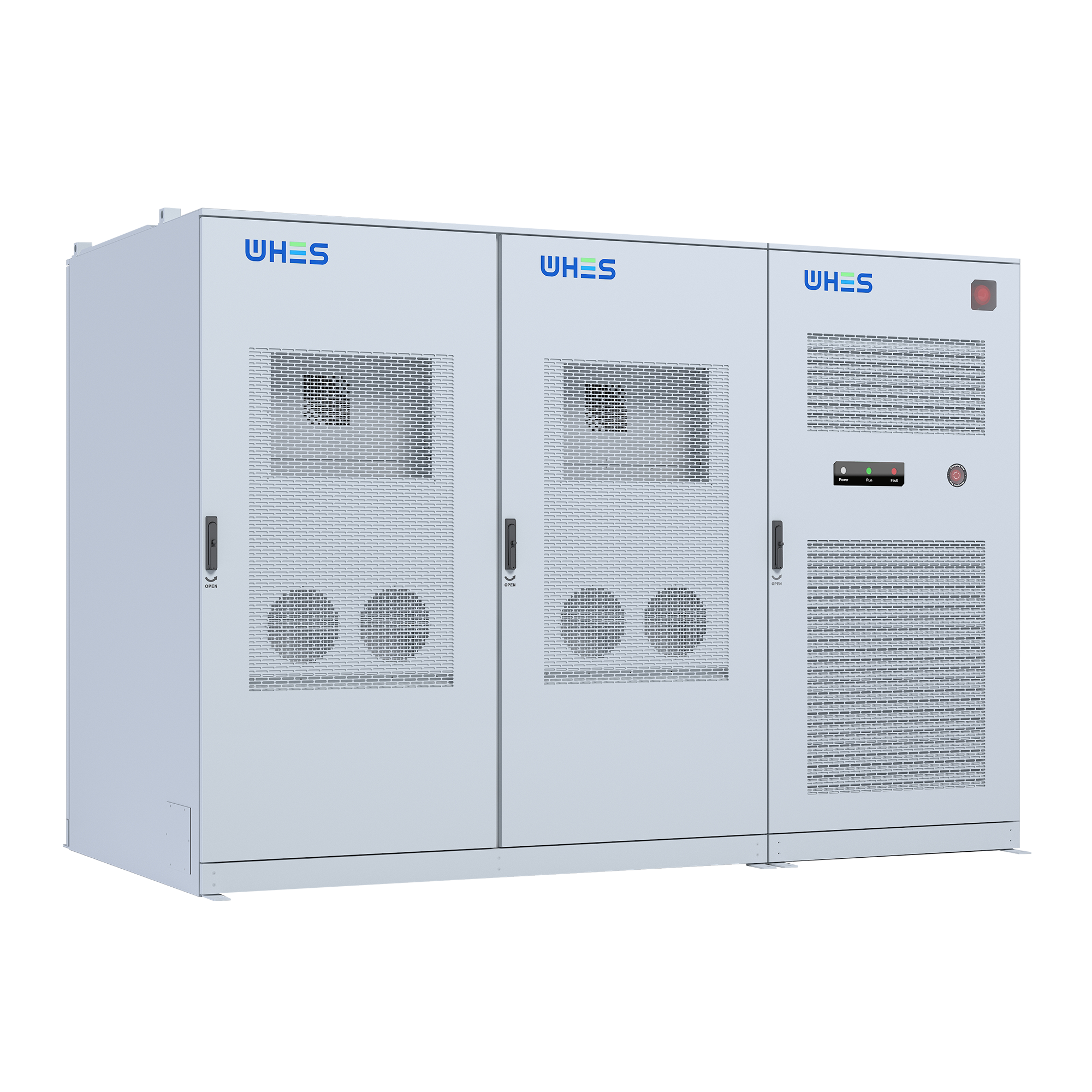
Match exposure to technical responses. Typical solution classes include standby gensets, on-site BESS (battery energy storage system), microgrid controls, and hybrid genset‑BESS systems. Consider operational demands: do you need seconds-level ride-through for sensitive controls, or multi-hour supply to keep batch processes alive? Key technical terms to keep in mind are inverter capacity (for AC coupling), round-trip efficiency, and islanding capabilities. These define whether a BESS can sustain process loads or merely handle short transients and peak shaving.
Step 3 — Create a prioritization matrix
Bring finance and operations together to score options against four axes: risk reduction per dollar, implementation speed, maintenance/operational burden, and co‑benefits (demand charge mitigation, frequency regulation revenue). A simple 1–5 scorecard converts qualitative preferences into ranked investment packages. This is where capital allocation becomes defensible: you can show stakeholders why a mid‑sized BESS that snatches you from eight hours of downtime outranks a larger generator with long lead time but similar up‑front cost.
Real-world trade-offs: lead time, financing, and integration
Two common trade-offs recur. First, lead time — batteries and inverters can be deployed faster than large gensets, but permitting and interconnection still take weeks to months. Second, financing — capex, leasing, or performance contracts change total cost of ownership and balance‑sheet treatment. Finally, integration complexity: hooking a BESS into SCADA and protection schemes requires engineering hours; don’t underestimate control logic and testing. These are the knobs you’ll turn when allocating funds across near-term and strategic projects.
Common mistakes teams make — and practical fixes
Teams often treat resiliency as a single binary purchase rather than a layered system. They overpay for capacity without defining acceptable outage windows, or they buy hardware without a tested operational playbook. Fixes are straightforward: require an operational runbook in the procurement spec, budget for commissioning and factory acceptance tests, and run a staged deployment (pilot cell → scale up) so integration lessons aren’t costly. —
How to evaluate vendors and technologies
When you compare bids, ask for three things: validated performance data under load, documented mean time between failures (MTBF) for power electronics, and references from similar industrial sites. Evaluate proposals on lifecycle cost, not sticker price: include maintenance contracts, inverter replacements, and expected round‑trip efficiency decline over warranty period. Also weigh software maturity for energy management and grid services — a system that can dispatch for demand response may pay for itself in two ways: resilience and new revenue streams.
Financing models and capital allocation tactics
There are several ways to fund resiliency projects: direct capex, operating leases, third‑party ownership (ESCO or utility programs), and performance contracts. Use your prioritized matrix to match the right model: short‑term pilots often fit OPEX or lease models to preserve flexibility, while long‑lived, high‑value assets may justify capex with depreciation. In all cases, allocate a portion of capital for integration, training, and testing — those line items frequently get cut and drive delays.
Three golden rules for deploying resilient power
1) Measure before you buy: baseline outage costs and load profiles to size systems effectively. 2) Stage deployments: pilot, lessons learned, scale — that lowers technical and financial risk. 3) Contract for outcomes: include acceptance tests, availability guarantees, and clear service SLA language for inverters, batteries, and energy management software.
Putting it together: an example allocation snapshot
Imagine a mid‑sized chemical plant that faces 6–12 hour outage risk during extreme weather. The framework might allocate capital as: 40% to a modular BESS sized to sustain critical loads for four hours (enough to bridge short outages and start cold‑plants), 30% to fast startup gensets for longer outages, 20% to controls and SCADA upgrades for safe islanding, and 10% to training and contingencies. That split balances rapid deployability, operational flexibility, and long‑term resilience — and it creates measurable checkpoints for ROI.
Advisory finale: three critical evaluation metrics
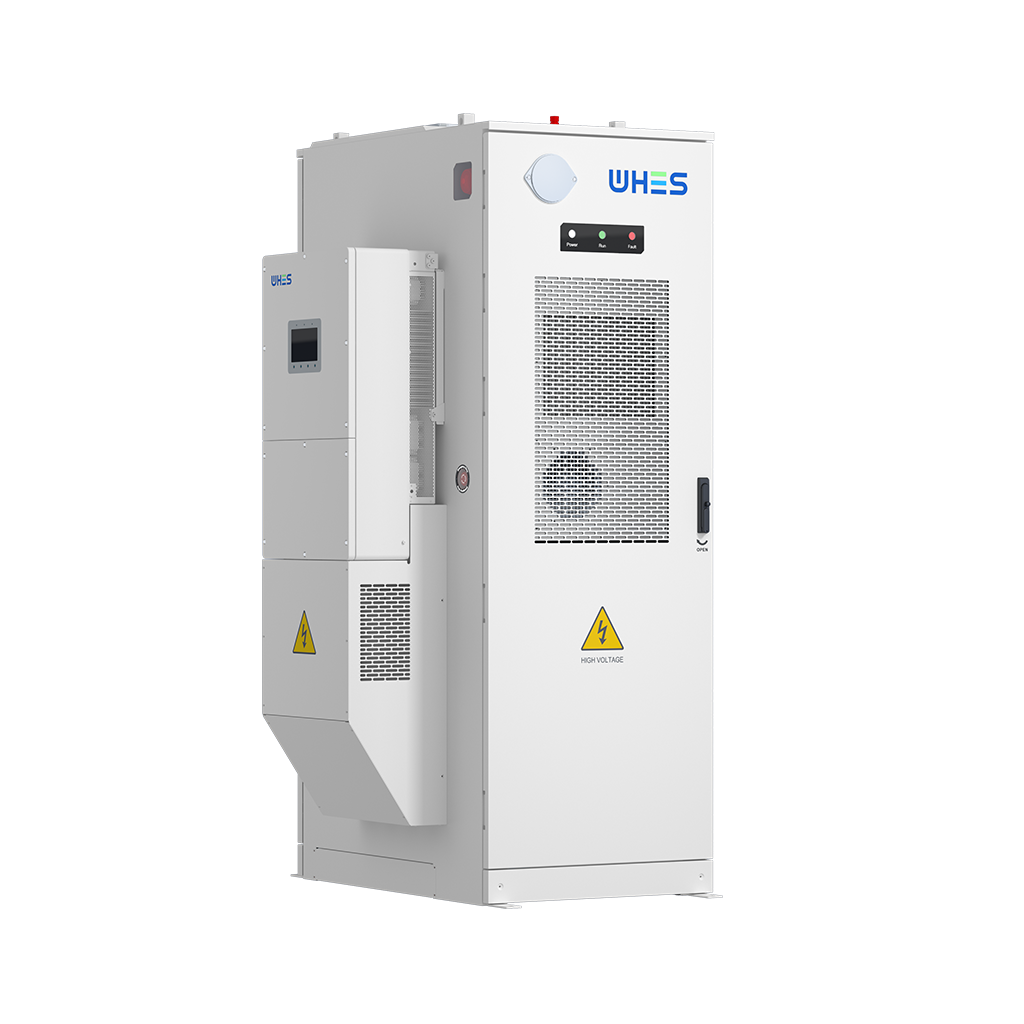
1) Resilience ROI: expected avoided outage cost per dollar invested, measured over a 5–10 year horizon. 2) Availability and uptime: guaranteed percent availability for the system’s power path (inverter and BESS) and documented MTBF. 3) Total lifecycle cost per kWh delivered during islanded operation — factoring round‑trip efficiency, maintenance, and replacement of power electronics. These metrics give you an apples‑to‑apples way to pick technologies and vendors for long‑term value.
–
When your goal is predictable operations, this framework turns budget debates into structured decisions and shows how targeted investments in solutions like c&i energy storage reduce both risk and cost over time. For industrial teams balancing safety, uptime, and capital discipline, the right allocation strategy is the path from vulnerability to resilience — and it’s the practical outcome we help clients achieve with real project experience at WHES.