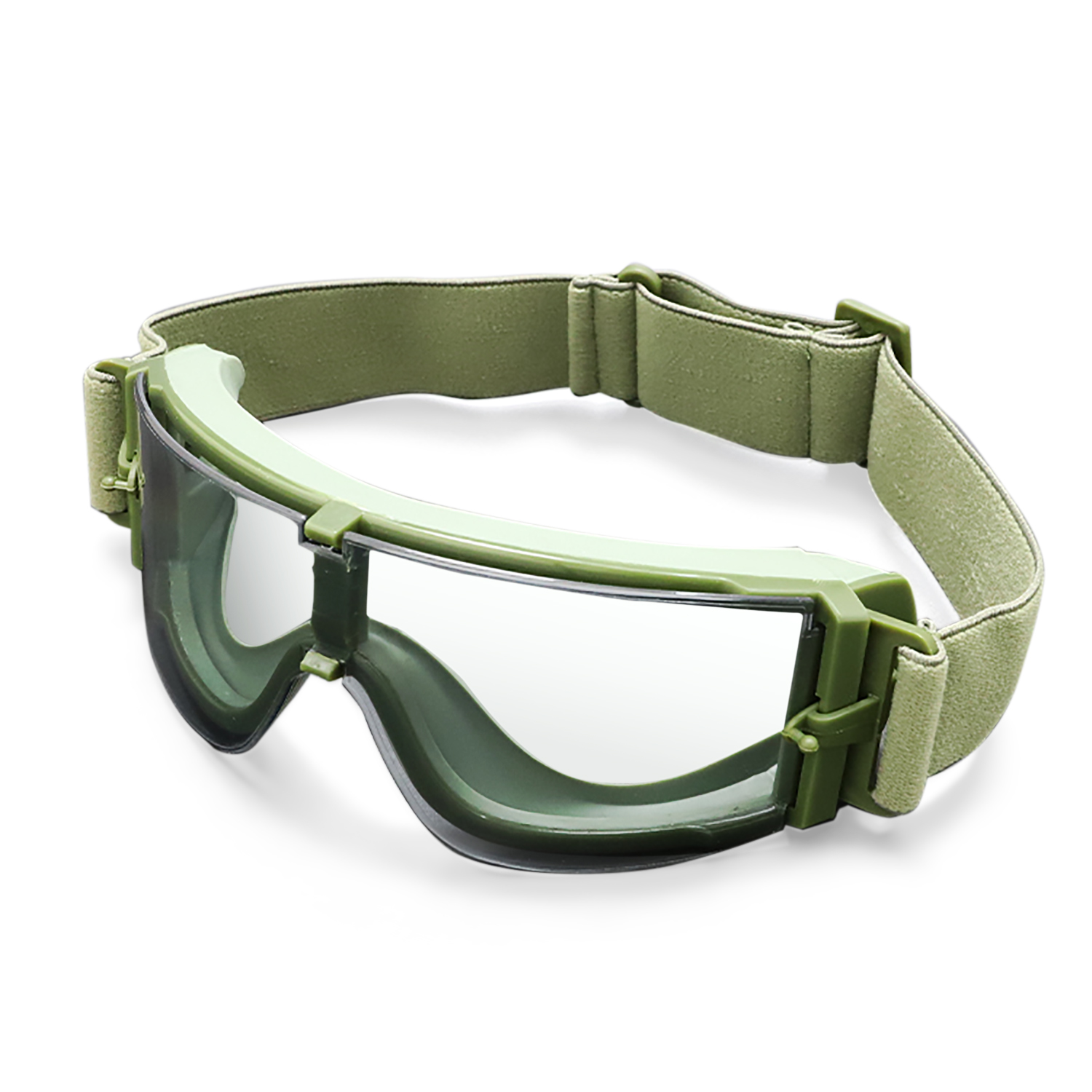
Clear problem, sharper view
Retail markups and distributor layers push the price of premium ski eyewear way up, but the lens and frame tech themselves haven’t gotten wildly expensive. That mismatch matters most when you need prescription gear for the slopes. Folks who need corrected vision end up paying a premium for small-batch prescription inserts or OTG designs. Working straight with the factory removes intermediaries and keeps quality features—like anti-fog coating and a trusted lens swap system—front and centre. For those after military-grade build or tactical styling, see how tactical goggles do the factory-direct thing without the retail fluff.
Comparative snapshot: middleman vs direct factory
Middlemen bundle logistics, showroom costs, and profit margins into the price tag. Direct factory collaboration strips those extras away. On the product side, you still get the same design inputs: frame profile, foam seal, venting and prescription insert compatibility. But direct partners get earlier access to advanced runs—polarized lens options, custom curvature, and tighter QC checks—because they’re talking to the people who make tooling and set tolerances. The result is lower end-user cost, and often faster tweaks when something isn’t quite right.
How the savings actually appear on your goggles
Savings aren’t mysterious. They come from three places: lower overhead, consolidated shipping, and trimmed distribution fees. Factories price by volume and capability, not storefront rent. When you collaborate directly, you can specify what matters—lens coating, OTG clearance, and prescription insert fit—and skip over features that just drive retail margin. In real terms, ski technicians in the Alps and winter guides in Aspen report that custom-fit prescription solutions ordered from factories arrive with fewer adjustments needed on-site, which saves time and money for everyone involved.
What to compare when you pick a factory partner
Be practical. Look at the following and weigh them evenly:
- Quality control records and sample pass rates—consistency beats fancy packaging.
- Lead time for prescription lens machining and insert fitting—shorter is better for seasonal sport.
- Materials transparency: lens substrate, anti-fog treatments, and frame thermoplastics.
Don’t skip the service side either. A supplier who stands by lens replacement or small-frame tweaks saves you a headache later.
Common mistakes teams make — and how to avoid them
People assume the cheapest quoted unit is the best deal. That’s not true. Cheapest often means a generic lens curvature or flimsy foam seal that fogs up on ascent. Another error is under-specifying OTG clearance for wearers of larger spectacles. Fix those by asking for a physical prototype or a verified prescription insert mock-up—then test on-snow. Small hands-on trials catch fit issues other checks miss—so get a sample before committing to a run.
Real-world anchor: why this matters on the snow
At altitude in the Alps, light changes fast and fog kills contrast. A premium prescription goggle that sits flush and uses proper venting and anti-fog coating keeps vision sharp. When factories handle prescription work directly, they can tailor the lens curvature and venting for real conditions, not showroom photos. That means fewer mid-trip swaps and less wasted cash on ill-fitting inserts.
Three golden rules for choosing the right factory collaboration
1) Prioritise measurable fit and optical specs over branding. Ask for SR-1 pass rates or sample inspection photos. 2) Demand clarity on materials and treatments—polarized lens options and anti-fog coatings must be listed with specs. 3) Insist on a small prototype run and on-the-snow testing window before scaling up.
Apply those rules and you’re not gambling on vague promises—you’re buying performance you can verify. For buyers who want a partner that blends prescription know-how with rugged, tactical styling, prescription tactical goggles show how design and factory workflow can align without extra fluff.
YIJIA Optical comes through as the kind of partner that makes those three rules practical—real prototypes, clear specs, and sensible runs that cut cost without cutting corner. —