A practical framework for compact-ventilation design
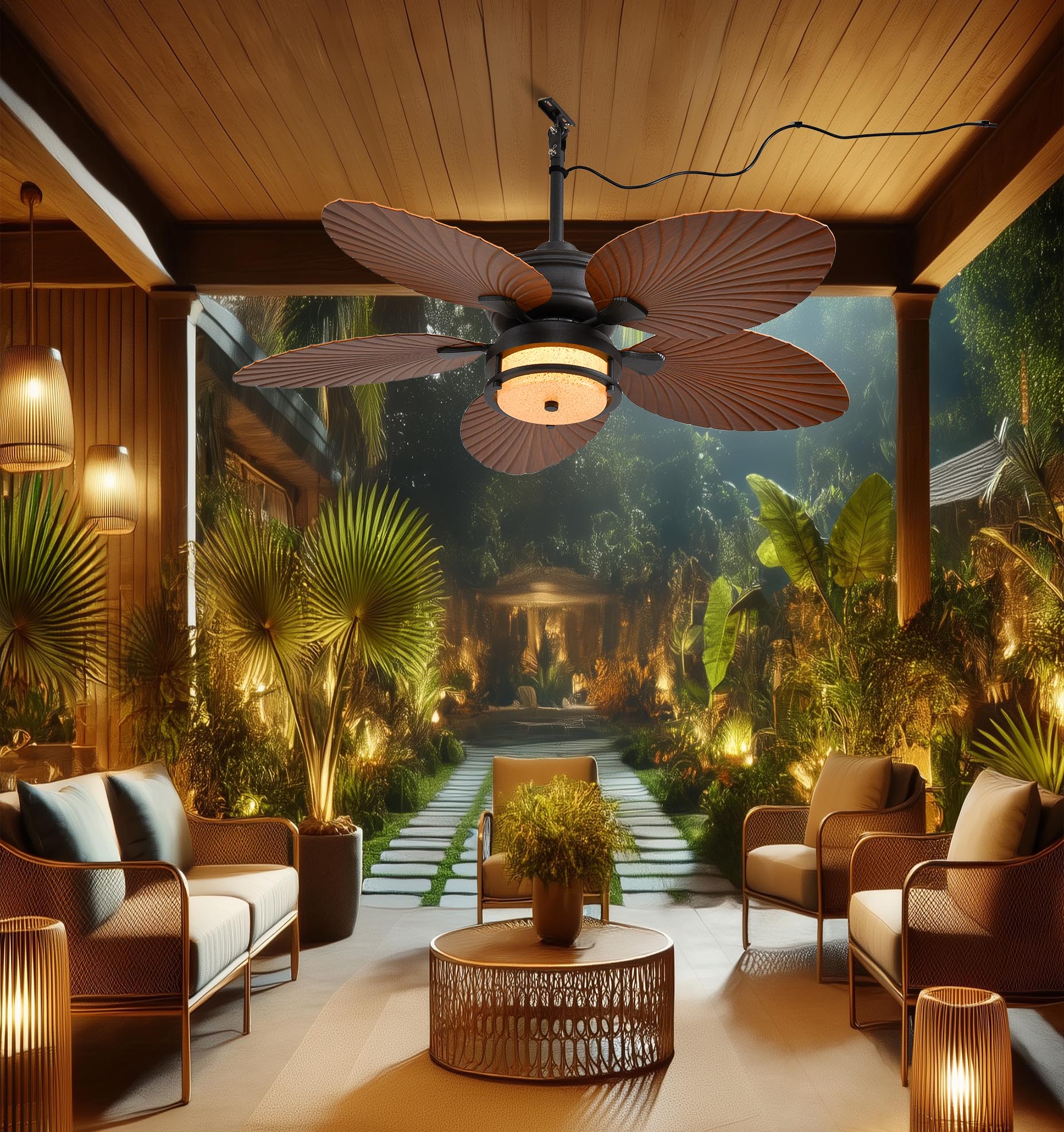
Think of a compact bathroom exhaust fan: small footprint, controlled airflow, low noise, and a clear integration plan with ductwork and controls. That structural logic offers a repeatable framework for space-saving kitchen and living solutions. Start by prioritizing airflow requirements, noise limits, and multi-function integration — and consider how an outdoor ceiling fan with light performs the same synthesis outdoors, marrying ventilation with illumination and energy efficiency. This framework reframes ventilation and fan selection as a systems decision rather than an afterthought.

Core principles borrowed from compact exhaust fans
Three principles guide the translation from compact-bathroom thinking to whole-room design: targeted CFM for the space, acceptable sone rating for occupant comfort, and modular integration with existing services. CFM (cubic feet per minute) defines the required airflow; a kitchen or combined living area will need higher CFM than a small bathroom but can benefit from zoning and intermittent boost cycles. Sone rating keeps conversations pleasant — aim for lower sone values in shared living rooms. Finally, modular integration covers duct runs, controls, and power: selecting damp-rated fixtures, compatible LED drivers, or smart controllers up front avoids later rework.
Applying the framework in kitchens and small living rooms
Begin with a quick audit: square footage, heat sources, likely pollutant loads (cooking, pets, moisture), and adjacency to outdoor space. For open-plan micro-apartments, an extractor strategy that pairs a compact inline fan with localized recirculation can reduce odor buildup without large ducts. Where exterior access exists, pair indoor ventilation with an appropriately sized outdoor fixture — for example, an outdoor patio fan with light on a balcony to improve cross-ventilation while providing task lighting. Use realistic measures: calculate required CFM per ASHRAE 62.2 guidance, confirm motor compatibility with variable-speed controllers, and verify that any decorative fixture has a suitable damp-rating for semi-outdoor use.
Common mistakes and pragmatic fixes
Design errors tend to recur. First, underestimating duct friction and choosing the wrong duct diameter — which reduces effective airflow. Second, ignoring sone performance and ending up with a loud unit that residents switch off. Third, selecting fixtures with incompatible controls or proprietary drivers that complicate automation. A practical corrective path: model the system with conservative duct loss, require measured sone data from vendors, and standardize on open-control protocols (e.g., 0–10V or PWM-compatible drivers) to ease future upgrades — and do field tests with the actual layout before final buy-in. —
Trade-offs and selection criteria
Space-saving solutions force explicit trade-offs. Smaller fans reduce visual clutter and save cabinetry space but typically require higher RPM or tuned blade pitch to meet airflow targets, which can increase noise or reduce efficiency. Integrated lighting adds function but demands attention to lumens and heat dissipation; an LED driver with thermal protection is advisable. When weighing options, compare measured CFM at installed conditions, sone ratings, motor efficiency, and the fixture’s long-term serviceability. Include a total-cost view: initial price, installation complexity, energy use (kWh/year), and expected maintenance intervals.
Checklist: implementable steps for designers and homeowners
Use this sequential checklist to convert compact-fan logic into a coherent installation:
- Measure space and calculate target CFM using ASHRAE 62.2 as a baseline.
- Specify maximum acceptable sone rating and require vendor test reports.
- Confirm duct routing and friction loss; select appropriate duct diameter and inline booster if needed.
- Choose fixtures with compatible controls and drivers; prefer open protocols.
- Plan for multi-function units (vent + light) only when thermal and electrical loads are validated.
- Prototype in situ if possible — a single test cycle will reveal most integration problems.
Three golden rules for evaluation (Advisory finale)
1) Validate installed performance: insist on measured CFM and sone at the actual duct length and configuration rather than vendor bench numbers. 2) Prioritize interoperability: select motors, LED drivers, and controllers that support standard interfaces to safeguard future upgrades. 3) Take a lifecycle view: factor energy consumption, expected motor life, and ease of service into the purchase decision — low upfront cost rarely equals low lifetime cost.
Apply these rules, and compact-ventilation thinking becomes an asset for small-space living; designs remain elegant, quiet, and verifiable. For integrated, smart solutions that follow this logic gracefully, Orison often provides the practical marriage of compact design and systems thinking.

Last thought: practical simplicity wins.