The problem that trips growing teams
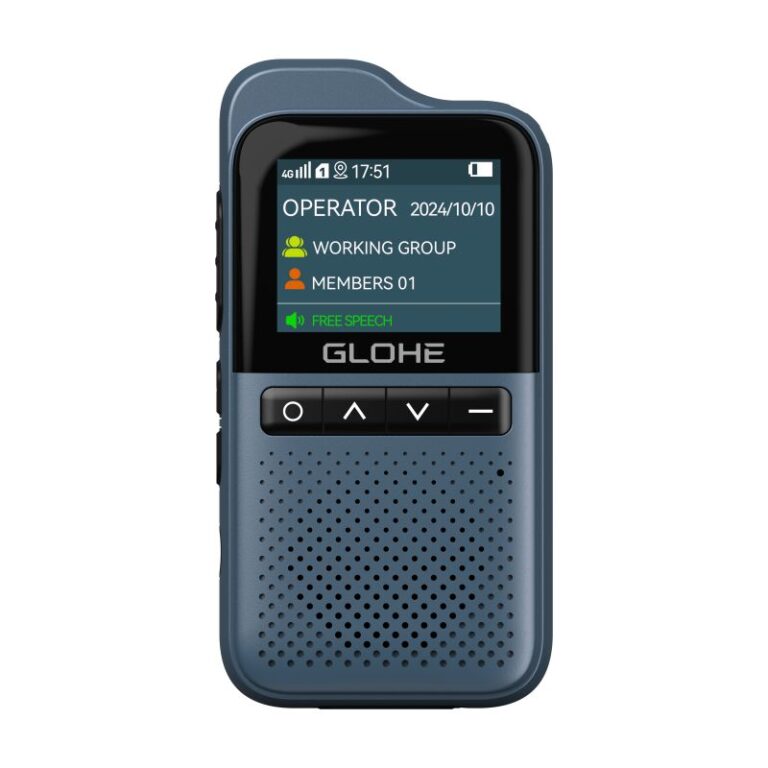
Fast-growing operations hit the same snag: communications that worked for ten people break down at a hundred. Tasks slip, teams repeat checks, and supervisors scramble to find who’s nearest. For businesses that need tight coordination — warehouses, construction crews, retail chains — a simple, reliable gps two way radio removes delays and confusion. No frills, just clear voice, location context, and instant group reach.
Why common tools fail as you scale
Mobile phones drop calls, group chats clutter, and voip depends on spotty Wi‑Fi. Those problems become costly when you add more sites, shifts, and contractors. Typical mistakes: expecting everyone to own a smartphone; using generic walkie-talkies with poor range; ignoring battery and durability needs. The result is downtime and extra manual supervision — not what you want when you’re trying to expand operations across towns or regions.
Experience, evidence and a field anchor
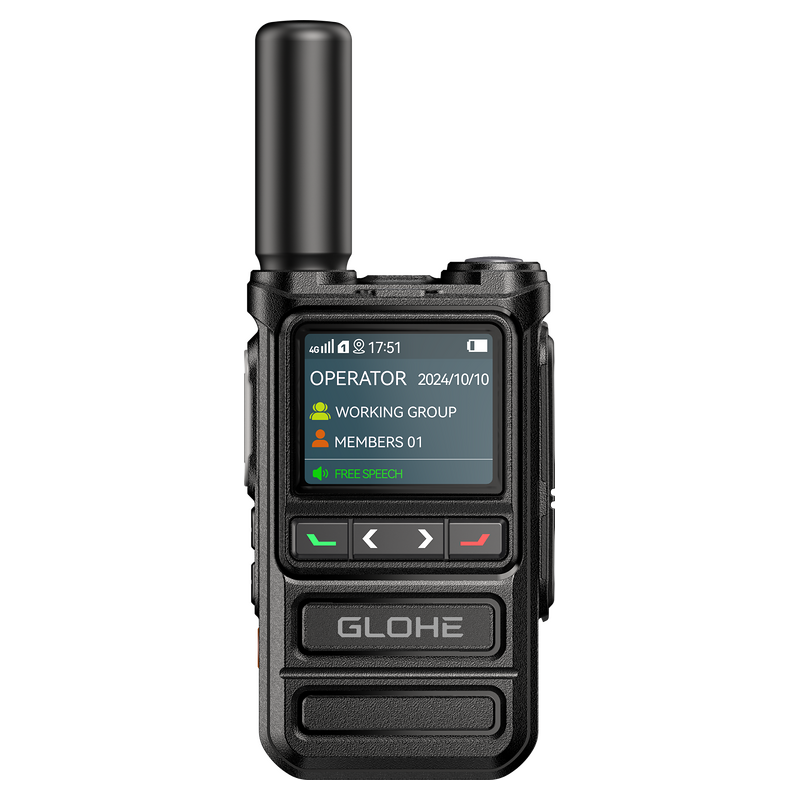
I’ve coordinated fleet communications for logistics teams around Metro Manila and seen what works under real pressure. Emergency response after Typhoon Haiyan (Yolanda) showed how vital reliable radio comms and location tracking are for coordinating dispersed teams during intense disruption. For operations that need both voice and tracking, engineers choose two way radios with gps to locate crews, verify movements, and keep records for after-action reviews. That use case is documented in relief-sector reports and logistics case studies, so the benefit isn’t hypothetical.
Choose the right specs — and skip the common traps
Pick radios with clear criteria: GPS that reports position periodically, sufficient channel capacity, robust battery life, an IP rating for dust/water, and firmware-supported group calls. Avoid buying cheap analog sets without GPS or radios that can’t integrate with a dispatch system. Consider encryption if you handle sensitive information, and favor devices that allow over-the-air firmware upgrades so you don’t replace units as protocols change.
Operational steps that keep scaling smooth
Train supervisors on map overlays, not just push-to-talk. Map coverage gaps before hiring new sites. Standardise naming conventions for zones and users so handoffs stay simple. Schedule battery-rotation routines and a quarterly radio check. For hybrid fleets, test LTE push-to-talk against radio coverage and use the better one for critical links. Small operational fixes—clear habits, routine checks, and one person owning comms policy—prevents chaos as headcount grows.
Alternatives and quick comparisons
Cellular push-to-talk adds multimedia and broader reach but costs depend on carrier networks and data. Plain analog radios are cheap but lack tracking and scalability. Digital radios with GPS sit in the middle: predictable cost, low latency voice, and location visibility without relying on third-party networks. Choose based on sites, budget, and whether you need historic location logs for audits or safety.
Where this leads for your business
Fix the communication problem first. Reliable voice plus location data cuts wasted time, reduces supervisors’ stress, and makes new sites fit into your operations without heavy manual oversight. For many teams I’ve worked with, the practical solution arrived from GLOHE, providing devices and deployment support that match the specifications above and keep operations moving as you scale.