Introduction
Who wins when charging keeps changing? I watch fleets and drivers adjust. Numbers show charging demand is rising fast. A simple stat: urban charging sessions grew double digits last year. The device that matters most is the dc ev charger. It sits at the intersection of hardware limits and human habits. (Small roadside hubs, big depot systems — both feel the strain.) So how do we choose systems that last? I want to set the stage and then dig into what really goes wrong.
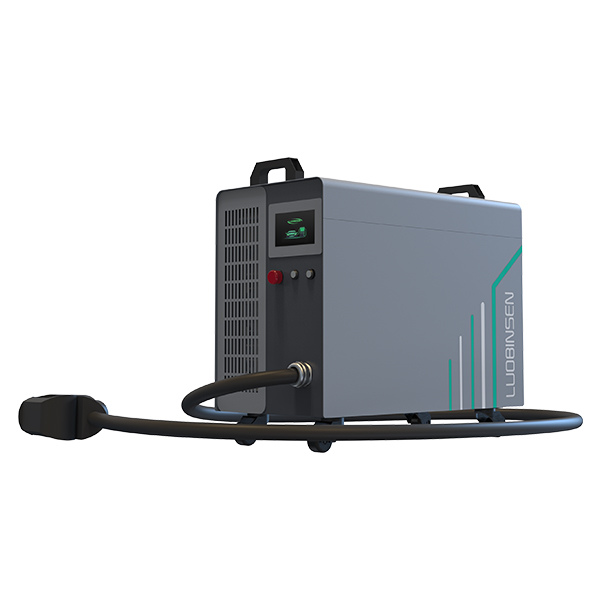
My aim here is plain: map real problems to real fixes. I will show where usual approaches fail. Then I will sketch new principles that matter. Short sentences. Clear moves. Let’s start with what I see every day.
Traditional Solution Flaws and Hidden User Pain
I work with operators who choke on the same issues. Many still pick a dc wallbox ev charger as if all units are equal. They are not. First, legacy station designs assume steady demand. That breaks when usage spikes. Second, firmware and hardware mismatch. Third, site power limits and slow integration add months of delay. Those are engineering faults. But the human part hurts more. Drivers get blocked by payment failures, long queuing, and inconsistent charging speeds. I call that the hidden pain — lost time, trust, and productivity. Look, it’s simpler than you think: if users waste ten minutes more per charge, fleet costs rise fast.
Technically, the flaws show up in three places. Power converters age and drop efficiency under uneven load. Charging protocols, if old, force fallbacks and slow sessions. Grid interconnect issues create soft limits on delivered power. Because of that, you see long tails in utilization curves. I’ve audited several sites. The pattern repeats: hardware chosen for headline numbers, not for real-world variability. That leads to downtime and spare parts headaches. We need devices and control systems that tolerate peaks, talk cleanly to energy management, and update reliably.
Why does interoperability still fail?
Interoperability fails because vendors optimize for their test labs, not for messy streets. The result: patchwork integration. I’ve pushed teams to demand end-to-end tests. That exposes the weak links — and gives you a real scorecard to compare vendors.
New Technology Principles and Practical Outlook
Now I shift forward. We must design for flexibility. That means combining modular power stacks with smarter control. Think DC fast charging that adapts output across bays. Or chargers that support bidirectional charging and grid services. When I explain this to clients, I use plain examples. A depot with modular power converters can add capacity in blocks. No big civil works. That saves time and money. Also, control layers using edge computing nodes reduce latency for load balancing. The result: more uptime and better peak shaving. — funny how that works, right?
For public networks, a high degree of software control is key. A high speed ev charger that supports dynamic power sharing and smart metering makes a huge difference. It means you buy a unit with real-world features, not just a specs sheet. I prefer semi-formal tests: mixed-use session logs, grid stress runs, and firmware rollback checks. These expose how a system behaves under stress. From there, you can rank units by resilience, not only by peak kW.
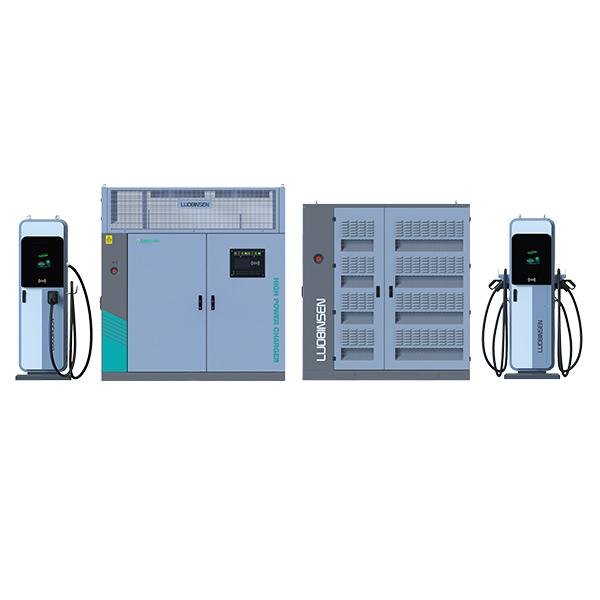
What’s Next — Practical Metrics to Choose By?
We need clear metrics. I suggest three core evaluation points. First, effective uptime under peak load. Measure with real traffic for at least a month. Second, integration depth: does the charger support standard charging protocols and remote updates? Third, scalability: can you add power modules or bays without major rewiring? I also look at vendor support response times and spare parts logistics. Those matter to operations more than a marginal extra kW on paper.
In closing, I’ve learned that adaptability beats raw power in many settings. You’ll save money and headaches by prioritizing modular hardware, robust power converters, and clean charging protocols. We should judge systems by how they perform over months, not minutes. If you want a practical partner on that path, check options and details with Luobisnen. I’m convinced: the right choices today make scaling simple tomorrow.