The immediate problem and why it matters
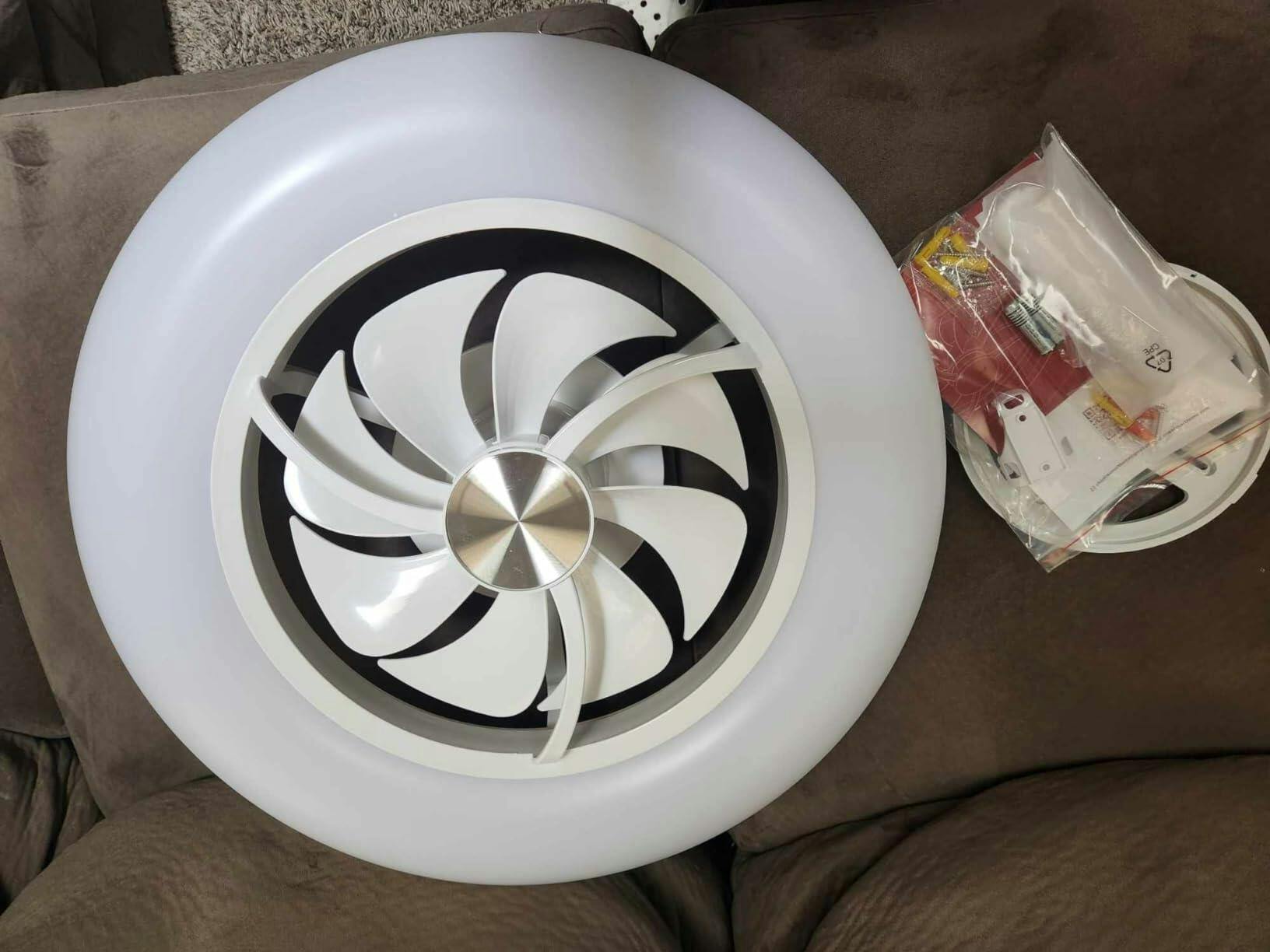
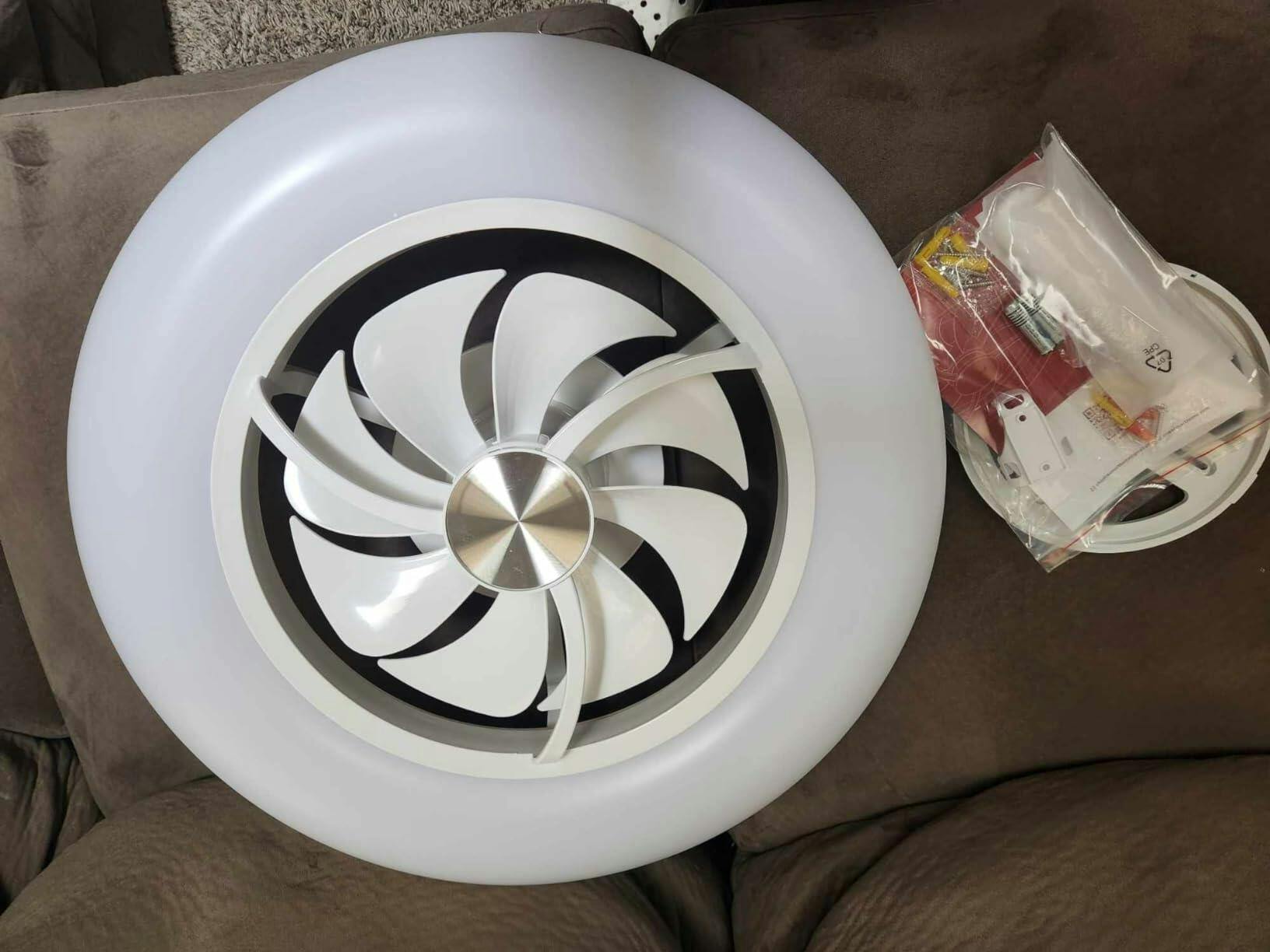
In modern open-plan interiors where a decorative pond or fountain sits at the centre, uneven air distribution often becomes the hidden comfort problem. Rooms feel drafty near one corner and clammy by the water feature in another; occupants adjust fan speed or thermostat but the sensation stays. A simple upgrade — for example, installing a smart ceiling fan with light — can help, but only if you address how airflow, humidity and layout interact. Professional thinking here uses concrete measures (CFM, airflow patterns) rather than guesswork, so solutions are repeatable and reliable.
How pond fountains change the room dynamics
Water features create localised microclimates. Evaporation raises relative humidity nearby; thermal plumes from sunlit water or pumps change vertical airflow. In an open concept plan, these localized effects interact with the room’s main air path, producing dead zones and hotspots. ASHRAE and common HVAC practice emphasise mixing and controlled ventilation to avoid such stratification — a useful real-world anchor when planning your scheme, especially in climates like Kathmandu’s monsoon season or Singapore’s humid tropics.
Typical mistakes people make
Most mistakes come down to assuming a single fan or vent can solve a multi-source problem. Designers often undersize the fan (low CFM), mount it too high or too low, or choose a unit without adequate oscillation and control. Another error is ignoring humidity sensors altogether; a room can feel uncomfortable at moderate temperature simply because relative humidity is high. It helps to pilot with prototypes — try a temporary fan and measure comfort before committing to permanent fixtures. —
Practical fixes that actually work
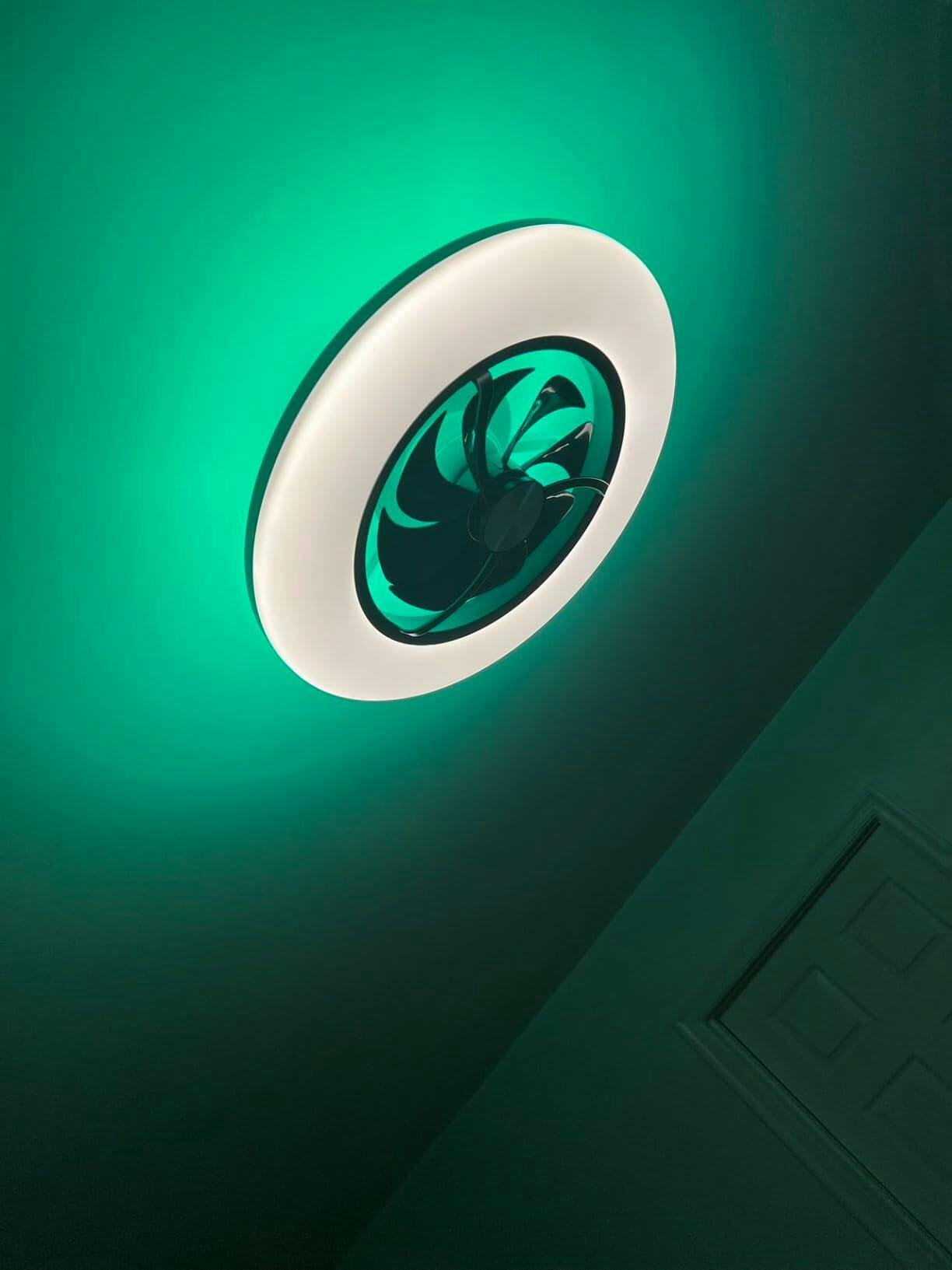
Begin with measured mapping: note where the pond raises humidity and where people sit. Use a modest set of tools — hygrometers, a simple smoke test to reveal airflow paths, and decibel checks for fan noise. Then apply fixes that pair hardware with control logic. A smart led ceiling fan with humidity-linked automation can vary fan speed and oscillation to keep the occupied zone comfortable while avoiding overcooling the rest of the space. Choose fans with BLDC motors for motor efficiency and quieter operation; matching remote control and app-based zoning reduces manual adjustments and improves perceived comfort.
When central HVAC is still needed and when fans suffice
Fans are very effective for local comfort and air mixing but do not replace dehumidification or whole-room temperature control when loads are high. If the pond creates sustained humidity above recommended indoor levels, pair fans with a dedicated dehumidifier or ensure the HVAC system has sufficient latent capacity. For low-to-moderate loads, well-placed fans and smart control often deliver the best energy-to-comfort ratio — lower operating cost, faster response, and better occupant satisfaction.
Common products and integrations to consider
Look for: adjustable mount height, selectable oscillation angles, multi-speed control with good low-end torque, and reliable app/remote integrations. Industry terms to watch for include airflow (CFM), oscillation range, and motor type (BLDC vs induction). Integrate humidity sensors and scene presets so the system responds automatically when the fountain runs or when external conditions change. These features keep maintenance simple and improve long-term reliability.
Three golden rules for selecting your solution
1) Match air delivery to the space: aim for measured airflow per occupant and per pond surface area, not guesswork. Use CFM targets and verify with simple airflow tests. 2) Control humidity proactively: choose devices that accept external RH inputs or have built-in hygrometers; keep occupied-zone RH in a comfortable range. 3) Prioritise smart control and motor efficiency: BLDC motors, reliable remote control, and zoning minimise noise and energy use while giving precise comfort control.
When these rules guide procurement and layout, the result is predictable comfort and fewer retrofit headaches. For practical, integrated options that combine efficient motors, smart control and neat aesthetics, consider how a platform like Orison fits into the system — it often completes the picture naturally. —