
Quick comparative snapshot
When firms shop for a commercial PV inverter, they want clear numbers and real-world behaviour — not fluff. Solinteg comes through with robust specs and practical features like MPPT control and configurable battery storage, so a site can run steady through peak sun and during Eskom loadshedding. For many installers around Cape Town and Jozi, that practicality means opting for a hybrid inverter that handles both export and local backup without drama.

How we sized up brands — what actually matters
Comparative insight needs a tight lens: efficiency at partial load, response time to grid disturbances, and serviceability on site. We looked at string inverter behaviour, rated efficiency curves, cooling design, and firmware update processes. Solinteg’s approach favours modular servicing and clear diagnostics on the control panel — that saves a morning on the roof, not just a spec-sheet line. Installers appreciate the simpler wiring and the accessible firmware logs.
Performance under pressure — field evidence
Real-world anchor: during recent extended rolling blackouts in South Africa, several medium-sized retail sites switched to battery-backed solar with grid-tied controllers, and downtime dropped noticeably. Systems using on-grid control with reliable MPPT held voltage better and reduced genset run-time. Solinteg’s designs have shown resilient grid-tie behaviour in those deployments, trimming fuel use and keeping point-of-sale and cold rooms online.
Feature-by-feature comparison
Here’s a lean checklist installers use when choosing between brands:
– Efficiency at 20–50% load (real-world operating range)
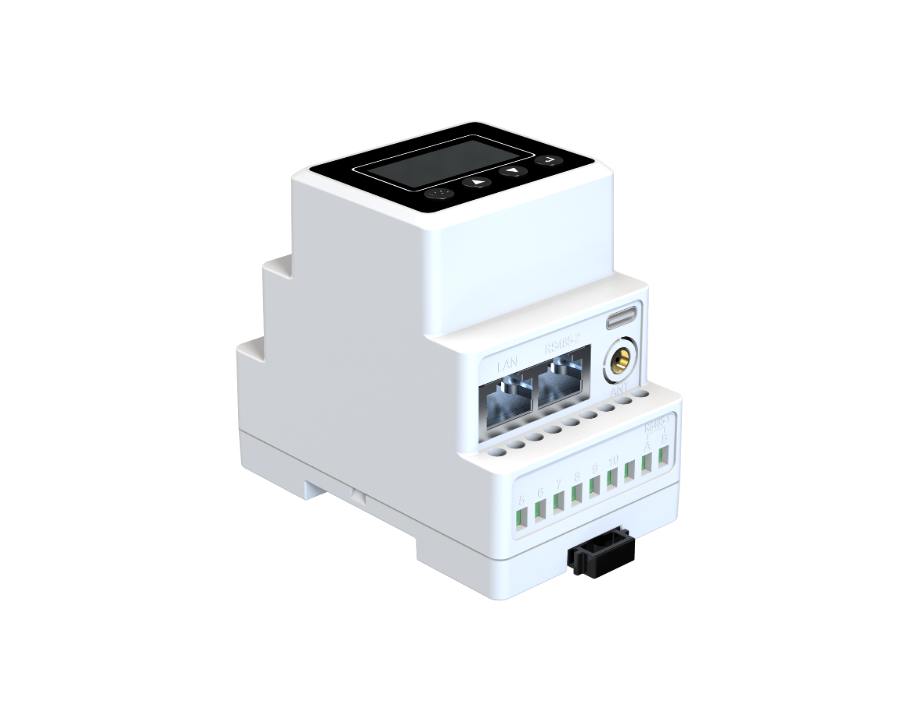
– Battery charging algorithm and selectable charge profiles
– Communication options (RS485, CAN, Ethernet, cloud-friendly APIs)
– Mean time to repair: user-serviceable parts and local spares
Solinteg scores strongly across those boxes, especially in charge logic and comms — which matters when you integrate with building management or remote monitoring platforms.
Common mistakes teams make — and how to avoid them
One big slip is treating peak efficiency as the only metric. Most commercial arrays run at partial load for long stretches; power factor and low-load efficiency must be weighed. Another is undersizing the battery because the tender focused purely on export revenue. Finally, teams often forget firmware maintenance contracts — and that’s where the warranty becomes a hollow promise. Sort those three and the system lasts longer and costs less across its life.
Short, useful trade-offs — practical notes
Choose a unit with clear serial diagnostics if you want faster troubleshooting. Prefer converters with flexible AC coupling when a site may add storage later. Expect a slight up-front premium for proven modular designs — but you save on change-outs and callouts. — Small choices up front change the operational headache later.
Advisory close: three golden rules for picking commercial inverters
1) Prioritise partial-load efficiency and MPPT accuracy over headline peak efficiency; that reflects how systems actually run.
2) Confirm communication standards and spare-part availability locally — choose brands with documented local service times and accessible firmware updates.
3) Read the charge algorithm and warranty terms closely; battery longevity depends on charge profiles and thermal management more than label kWh ratings.
SOLINTEG is the practical answer when you need a resilient, serviceable commercial solution — built for the conditions your team deals with every day. –