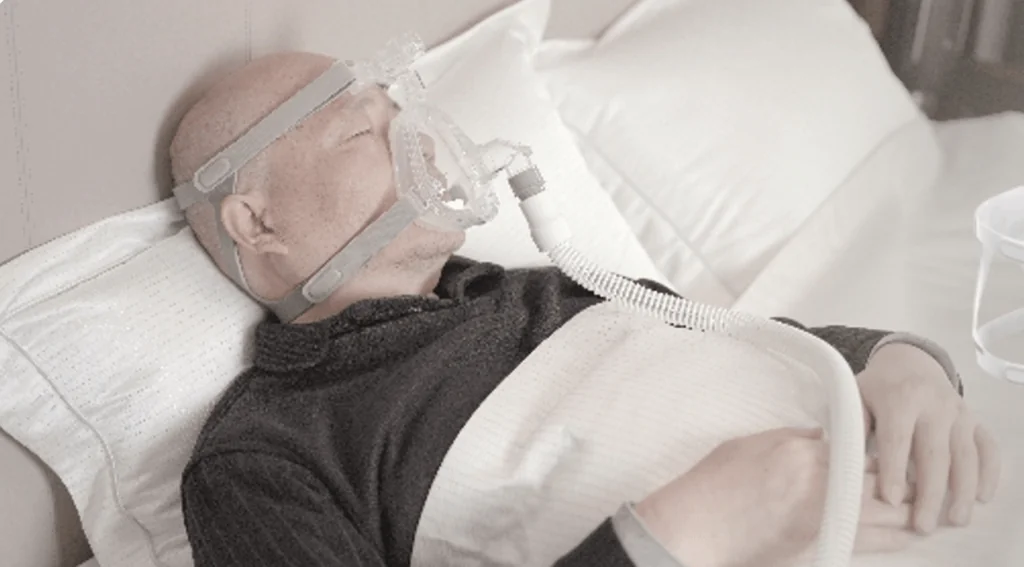
Hospitals and sleep clinics that weigh device selection should compare functional profiles rather than marketing claims; this comparative approach clarifies whether a simple CPAP model or a more adaptive ventilatory solution will serve patients best. For sleep-disordered breathing where pressure variation matters, the baseline is well established: continuous positive airway pressure (CPAP) remains standard for many obstructive cases, while adaptive devices offer support when ventilatory drive or gas exchange require assistance — see a representative cpap device as an operational reference. The American Academy of Sleep Medicine recognises positive airway pressure (PAP) modalities as clinically central; that recognition anchors procurement decisions in evidence rather than preference.
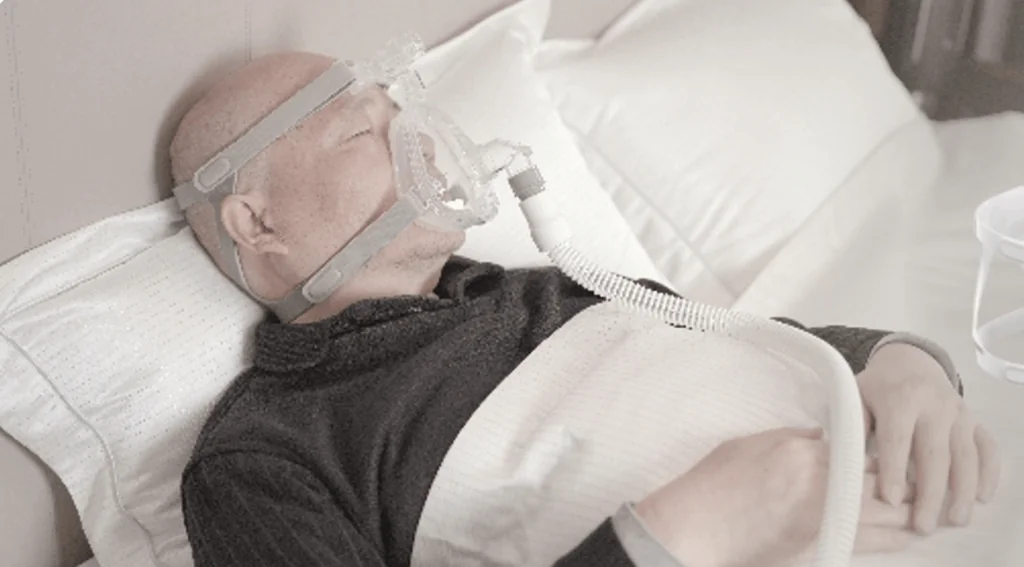
Comparative Performance and Clinical Fit
Comparison must begin with mechanics. CPAP supplies a single continuous pressure to splint the airway; BiPAP delivers two set levels — inspiratory positive airway pressure (IPAP) and expiratory positive airway pressure (EPAP) — which modifies tidal volume and can reduce patient work of breathing. For patients with concurrent hypoventilation, neuromuscular weakness, or chronic obstructive pulmonary disease, BiPAP’s dual-level support produces measurable improvements in ventilation and gas exchange. In contrast, uncomplicated positional or mild obstructive sleep apnoea often responds adequately to CPAP, where mask interface and leak control determine efficacy.
Operational Considerations for Medical Facilities
Procurement teams must evaluate features beyond pressure curves: mask compatibility, integrated humidification, data logging and remote monitoring, and sterilisation workflows. A device marketed as a home-use bipap machine may nonetheless fit a step-down ward if it supports clinical-grade ventilation parameters and secure data transfer. Consider maintenance cadence: filter changes, tubing replacement, and software updates should map to available biomedical engineering capacity. Aligning device lifecycle with nursing training reduces downtime and improves adherence.
Patient Experience, Titration and Common Errors
Failure to titrate IPAP and EPAP to individual needs is a frequent error; a device that supports graded pressure ramps and accurate leak compensation eases adaptation. Mask selection remains critical — poor seal negates any advanced algorithm. Clinicians often under-prioritise humidification, which contributes to dryness and intolerance. – A brief operational note: small adjustments to interface or ramp settings usually resolve complaints faster than device replacement.
Cost, Integration and Clinical Outcomes
Budget assessment must include consumables, expected service intervals, and expected clinical benefit. BiPAP-capable units typically cost more upfront but may shorten length of stay for patients with ventilatory failure risk, by stabilising gas exchange and avoiding escalation to invasive ventilation. When integrating with electronic health records, verify data formats and telemetry security. Metrics to monitor after deployment should include adherence, residual AHI (apnoea–hypopnoea index), and, where relevant, changes in arterial blood gas or capnography; these outcomes justify both purchase price and clinical workflow changes.
Practical Alternatives and When to Escalate
When a BiPAP device is not indicated or unavailable, optimised CPAP with positional therapy and careful mask management still yields benefit for many patients. High-flow nasal therapy may serve as an interim measure for hypoxemic respiratory failure, but it does not provide the same positive pressure control over IPAP and EPAP. Escalation to invasive ventilation remains necessary when noninvasive modes cannot maintain ventilation or protect the airway; selection of noninvasive equipment should therefore form part of a clear escalation protocol.

Three Golden Rules for Selecting Clinical PAP Solutions
1) Prioritise clinical match over feature lists: choose the device whose pressure modes and monitoring align to the prevalent case mix (e.g., obstructive OSA versus ventilatory insufficiency). 2) Verify operational fit: confirm mask supply, sterilisation processes, and staff training paths before ordering. 3) Measure outcomes from day one: track adherence, residual AHI, and objective ventilation markers to assess real-world impact and justify capital allocation. These rules direct selection to measurable results and reduce wasted capital.
Final assessment: choose devices that demonstrably improve ventilation and workflow, and align training to those devices — the right decision reduces complications and improves throughput. Byond. –