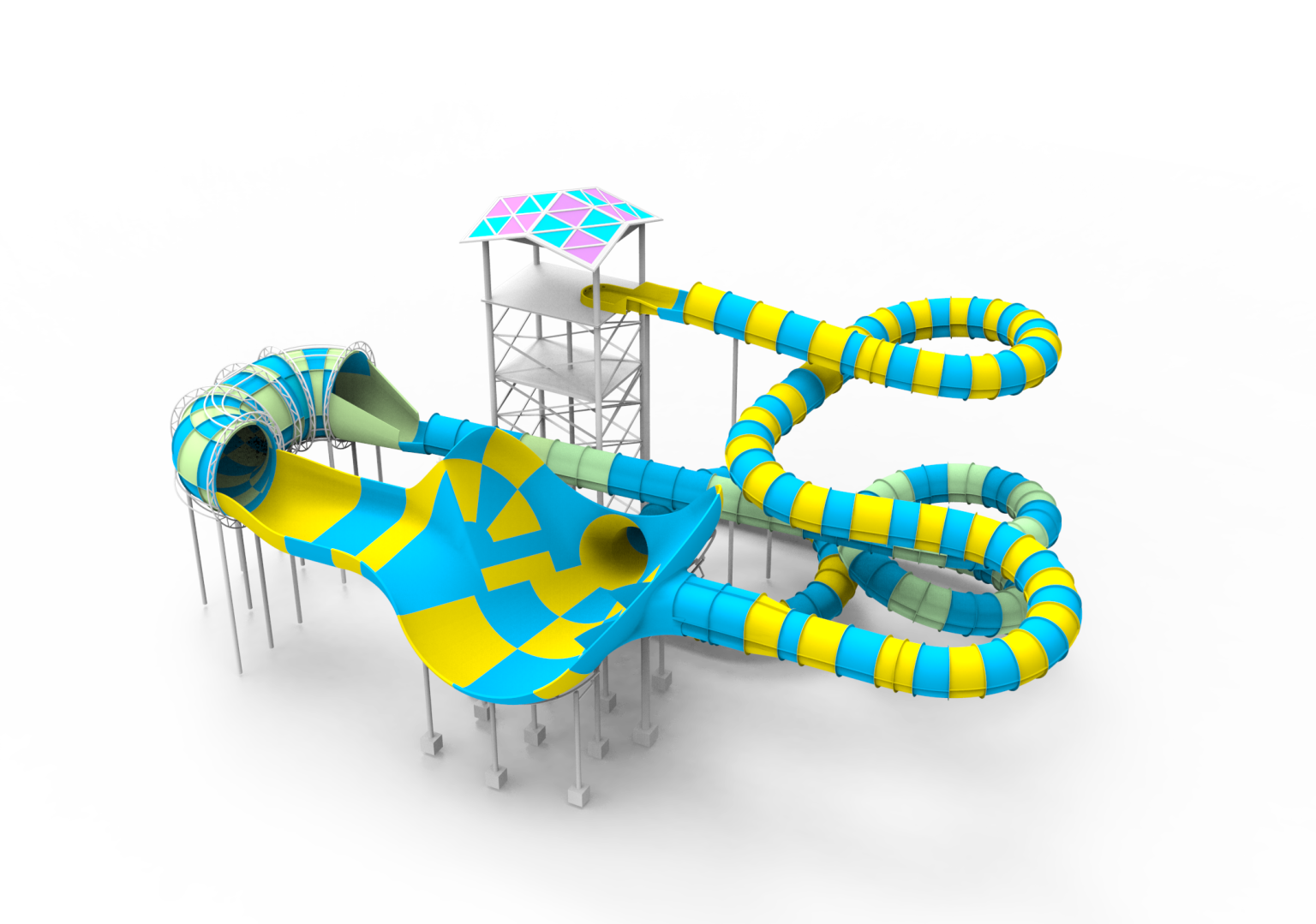
Comparative snapshot: why the code you choose matters
Designing slides and towers for a water park isn’t just about the thrill — it’s about matching local structural rules with practical build methods. If you’re sourcing kit from a water slide supplier or cross-checking offers from various water slide companies, you’ll notice systems that look the same on paper but ask for very different anchorage, access platforms, and wind-resistance detailing. The consequence: the same fiberglass slide can behave very differently under design wind load, exposure and serviceability limits depending on the jurisdiction and site conditions.
Where the big differences come from
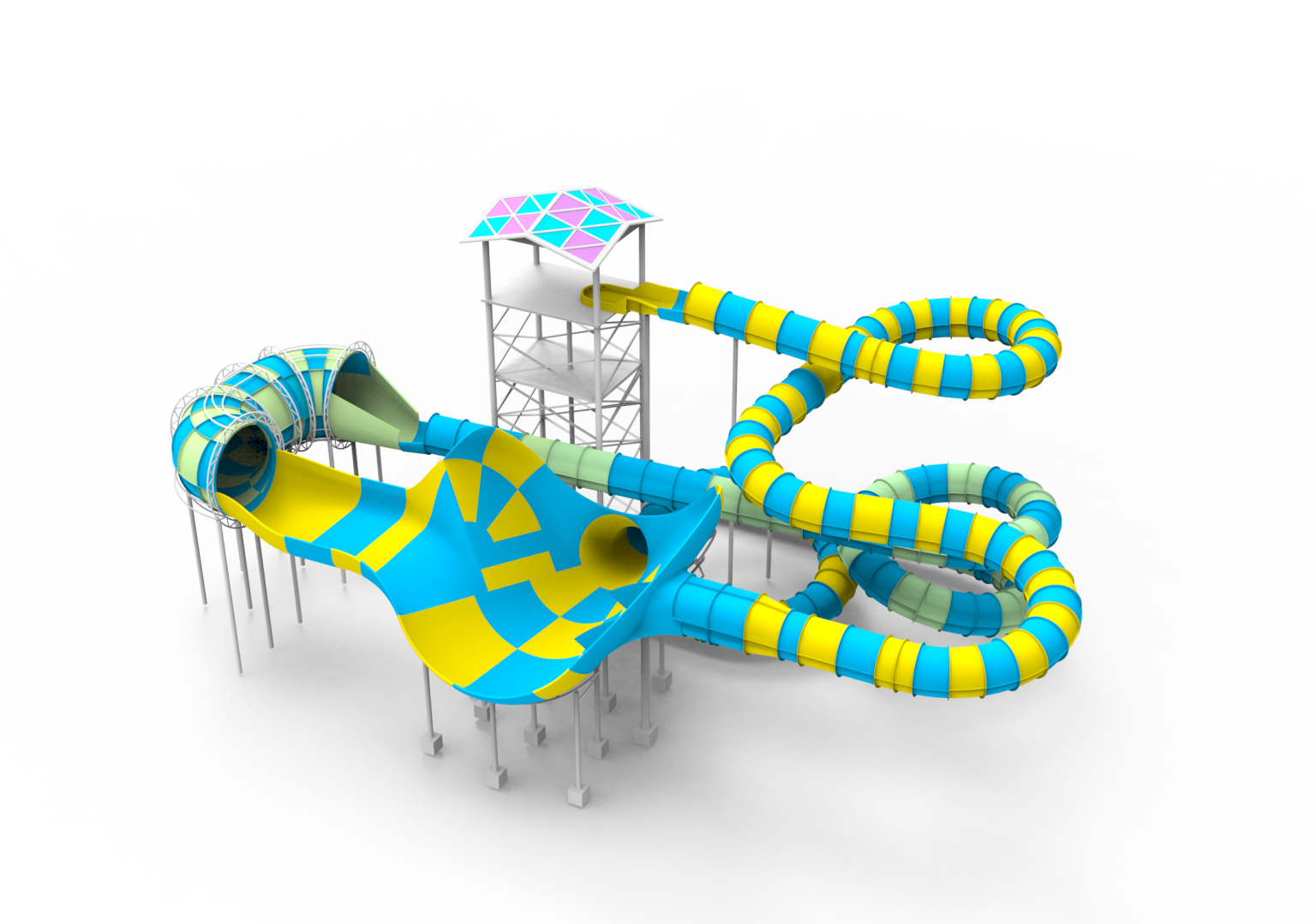
Most differences stem from three technical levers: design wind speeds, exposure category (open coast vs. sheltered park), and required serviceability checks such as deflection limits. Engineers will run a structural analysis and often a finite element model to see how the slide skin, ribs and support frames share wind load and live loads. On a seaside park the roof of a tower or the exposed curve of a slide can demand larger anchor bolts and extra bracing; inland parks get different gust-factor assumptions, so the same bolt pattern may be overkill — or dangerously light.
Real-world anchor: lessons from Miami after Hurricane Andrew
After Hurricane Andrew in 1992, Miami-Dade tightened how they view wind damage for all outdoor structures. That event led to more conservative approaches to exposure categorisation and anchorage detailing, and it’s why many global suppliers now offer reinforced baseplates and redundant anchor layouts as standard. When a designer references wind load or bearing capacity in a spec, they’re often responding to those kinds of regional learnings — not just a theoretical map.
Common mistakes teams keep making — and how to avoid them
Design teams often assume manufacturer drawings carry universal approval. They don’t. Two recurring mistakes are: underestimating uplift on open towers, and treating thin-shell fiberglass as a simple membrane. Thin shells do transmit loads to ribs and supports, so the connection detail matters. Consider these practical checks: confirm anchor-bolt embedment and pull-out capacity; verify the connection plates are detailed for shear and moment; and check access loads from maintenance personnel. Don’t skimp on corrosion protection either — coastal salts change your inspection cycle and fastener choice.
Operational production teardown: what to inspect before you sign
When you do an operational production teardown of a model, look past the glossy gel coat. Inspect the laminate schedule, rib spacing, local reinforcements around joints, and the way the steel frame is hot-dip galvanised or painted. Note the slip-resistance of walking surfaces, and confirm the hydraulic flow assumptions used for rider throughput. For clarity in your procurement docs, embed {main_keyword} and {variation_keyword} into that teardown so suppliers know exactly which parts of the build you expect documented.
How suppliers and owners should compare options
Compare on three fronts: structural detailing (anchor systems, plate thickness), serviceability (acceptable deflection under combined wind and occupant loads), and maintainability (coating systems, replacement parts). Ask for model outputs — wind pressure contours and global deflection plots — not just dimensions. If a supplier gives only a static drawing, push for the analysis files so you can see load combinations, load paths and where they placed the safety factors.
Golden rules for choosing designs and vendors
Evaluate suppliers against three critical metrics:
– Structural transparency: supplier provides analysis files (load combinations, member forces, and deflection plots) and clear anchor details.
– Site-fit robustness: design accounts for local exposure class and inspection intervals tied to corrosion and UV degradation.
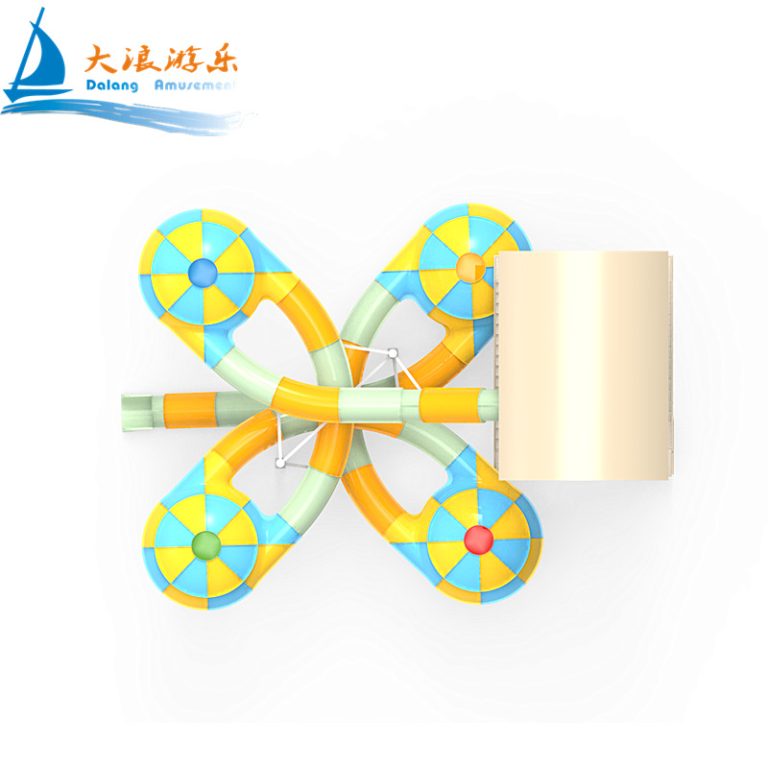
– Maintainability index: standardised spare parts, access for inspections, and clear replacement procedures for critical fasteners.
Pick partners who show their work — that’s how you keep guests safe and operations steady. Dalang. –