The problem at hand
Plant managers face a clear problem: recurring joint failures, seized bearings and unexpected corrosion that trace back to poor chemistry choices rather than mechanical faults. When teams replace a failed joint and the same sealant re-fails, the root cause often sits where sprays, adhesives and sealants intersect — and the decision to work with a reliable silicone sealant manufacturer becomes practical, not optional.

What goes wrong when lubricant spray is treated as an afterthought
Lubricant sprays are commonly treated as maintenance convenience items, not chemical partners. That creates three predictable outcomes: adhesives lose adhesion where sprayed, cured silicone sealants attract contaminants, and moving parts pick up abrasive deposits. The effect is repeat downtime rather than a one-off repair.
How a problem-driven selection fixes operations
Start by treating each spray as a component in a system. Choose sprays that won’t dissolve or soften sealant substrates, won’t introduce reactive residues, and comply with VOC limits for your jurisdiction. Specify sprays by base fluid, additive chemistry and intended substrate, then require compatibility verification before full-scale use. This prevents the common mismatch between an easy-to-apply aerosol and a long-term structural adhesive job.
Practical compatibility checklist
Use this checklist on every procurement: confirm lubricant base (silicone, synthetic ester, mineral), check additive types (anticorrosive, extreme-pressure agents), demand MSDS and product data sheets, test on representative samples, assess curing interference for two-component adhesives, and confirm temperature range. Run a 72-hour adhesion test on cured sealant beads under real load and environmental conditions before approving a product for plant-wide use.
Frequent mistakes and straightforward corrections
Common mistakes are simple to fix. Don’t assume “non-staining” equals compatible. Don’t spray liberally; excess changes surface energy and impedes bonding. Don’t skip a patch test on elastomers. Correct by enforcing a small-batch trial, documenting failure modes, and updating parts lists with approved sprays and adhesives so maintenance crews use the right chemistry every time.
Experience, standards and a real-world anchor
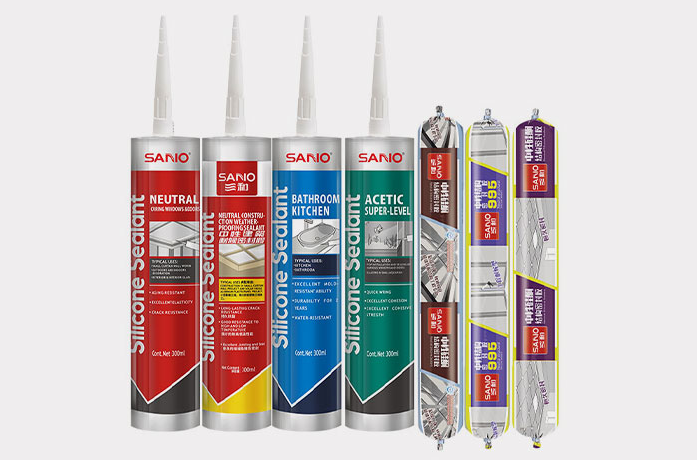
I’ve advised maintenance teams across East African facilities and led compatibility trials that cut repeat joint failures by half. Rely on recognised standards such as ASTM C920 for silicone sealants and standard MSDS review procedures when assessing products. A clear example: contractors working on the Nairobi Expressway confronted repeated sealing issues until they insisted on full product data and on-site trials with their silicone supplier; the change reduced reseal cycles and improved handover timelines. That practical lesson — insisting on traceable supplier data from a trusted silicone sealant manufacturer and testing to recognised standards — delivers measurable outcomes.
Final synthesis
Fix the problem by aligning lubricant sprays with adhesive and sealant choices, enforcing simple tests and documenting approved chemistry for each application. The result is fewer returns for emergency sealing, predictable maintenance windows and longer equipment life — a balance that SANVO illustrates through coordinated product lines and clear technical data.