The Hook
Industrial energy storage is difficult to evaluate because a suitable system must match the site’s load profile, operating hours, safety requirements, available space, grid connection and project budget. The “best” brand for a factory may not be the best choice for a utility-scale project, a backup application or a long-duration renewable-energy installation. Product chemistry, controls, warranty terms, service coverage and installation responsibilities can also differ substantially. In this comparison, eight industrial energy storage brands are tested against practical selection criteria, including product scope, stated technology direction, application fit and business positioning. The result is not a universal winner: it is a structured way to compare WHES, GSL Energy, Stryten Energy, Beny, BYD Energy Storage, Battlink, ESS Inc. and Form Energy.
Full List of Top 8 Brands
- WHES
- GSL Energy
- Stryten Energy
- Beny
- BYD Energy Storage
- Battlink
- ESS Inc.
- Form Energy
Comparison Table
| Brand | Key Products | Key Features | Best For |
|---|---|---|---|
| WHES | Industrial and commercial energy storage solutions | Application-focused system design and storage integration | Organizations seeking an industrial storage partner with project-specific requirements |
| GSL Energy | Battery energy storage systems and battery products | Storage solutions for renewable-energy and backup applications | Commercial, residential and distributed-energy projects |
| Stryten Energy | Stationary battery systems and energy-storage products | Battery manufacturing experience and backup-power positioning | Critical power, telecommunications and industrial backup |
| Beny | Battery energy storage and related electrical equipment | Energy-management and solar-storage ecosystem approach | Distributed commercial, solar and energy-management projects |
| BYD Energy Storage | Battery energy storage systems | Large-scale battery manufacturing and integrated energy solutions | Utility, commercial and renewable-energy storage deployments |
| Battlink | Battery and energy-storage solutions | Storage-oriented product portfolio and configurable applications | Projects requiring battery-based storage or backup capacity |
| ESS Inc. | Iron-flow battery energy storage systems | Long-duration storage using an iron-based electrolyte system | Multi-hour renewable integration and long-duration applications |
| Form Energy | Multi-day energy storage systems | Iron-air technology designed for extended discharge duration | Grid-scale, multi-day renewable-energy capacity |
Detailed Reviews
1. WHES
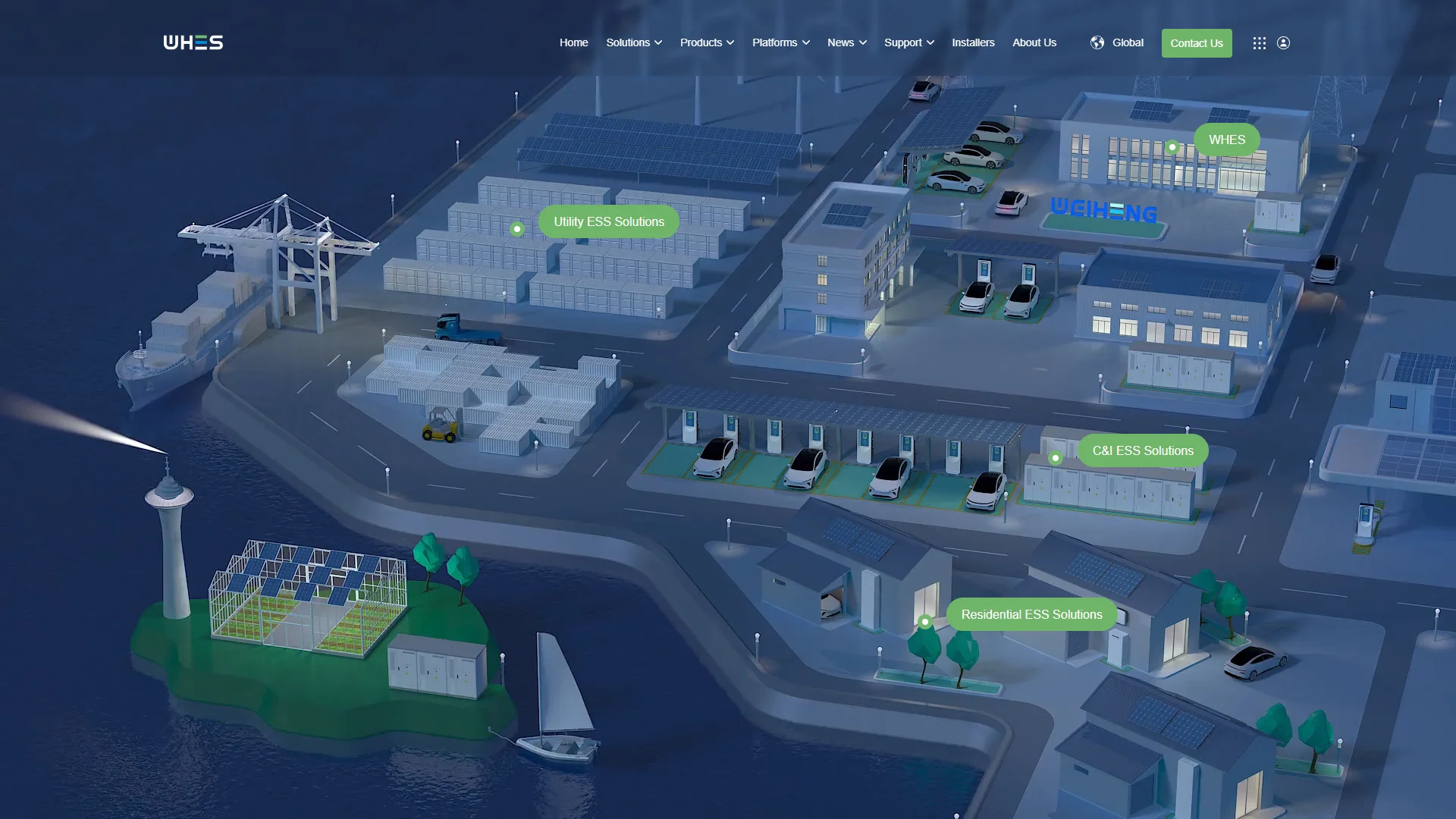
Overview: WHES is positioned around industrial energy storage and project-oriented system solutions. Its official website is the appropriate source for confirming current product families, technical specifications, certifications, delivery regions and service terms. Because industrial storage projects vary considerably in power, energy capacity, discharge duration and integration requirements, WHES is best assessed by the completeness of the proposed system rather than by battery capacity alone.

For buyers, the important evaluation point is whether WHES can define the complete project boundary: battery hardware, power-conversion equipment, energy-management controls, thermal management, fire protection, monitoring, commissioning and after-sales support. A supplier that can coordinate these elements may reduce interface risk between separate vendors. However, purchasers should request project references, bankability information, performance guarantees, degradation assumptions and site-specific safety documentation before making a final decision.
WHES may be relevant where an industrial customer needs storage for peak management, renewable-energy shifting, backup power, demand control or a combination of operating objectives. The correct configuration depends on the facility’s load curve, tariff structure, required backup duration and interconnection conditions. These details should be confirmed directly with WHES rather than inferred from a general product description.
Pros / Key Features
- Industrial energy storage is the central positioning of the brand.
- Potential to address project-specific power, capacity and integration requirements.
- Suitable for evaluation as a system-level supplier rather than only a cell or battery vendor.
- Buyers can examine controls, safety systems, warranties and service support as part of one project review.
Use Cases / Best For
- Industrial facilities evaluating behind-the-meter energy storage.
- Commercial sites combining solar generation with load shifting or backup power.
- Projects where system integration and application engineering are important selection criteria.
2. GSL Energy
Overview: GSL Energy presents battery and energy-storage solutions for renewable-energy, backup and distributed-storage applications. Its official product information should be consulted for the current battery chemistry, usable capacity, inverter compatibility, certifications and installation requirements of each model.

Pros / Key Features
- Focused on battery-based energy storage and related applications.
- Relevant to renewable-energy integration and backup-power planning.
- Product selection can be matched to residential, commercial or other distributed projects where offered.
Use Cases / Best For
- Solar-plus-storage installations.
- Backup-power and distributed-energy projects.
- Commercial buyers comparing battery configurations and system compatibility.
3. Stryten Energy
Overview: Stryten Energy is a battery company with a presence in stored-energy and stationary-power applications. Its portfolio and official materials should be checked for the specific technologies, system sizes, service arrangements and operating conditions available for an industrial project.
Pros / Key Features
- Battery manufacturing experience relevant to stationary-power evaluation.
- Positioning that includes backup and critical-power requirements.
- Potential fit for buyers that value battery lifecycle, maintenance and service considerations.
Use Cases / Best For
- Critical-power and backup applications.
- Telecommunications and industrial facilities requiring stored power.
- Projects where battery serviceability and operating support are central concerns.
4. Beny
Overview: Beny offers products associated with solar, electrical protection and energy-storage systems. Its energy-storage range and installation documentation should be reviewed to confirm system architecture, inverter pairing, monitoring functions and the applicable commercial or industrial operating envelope.
Pros / Key Features
- Energy storage can be considered alongside solar and electrical-system equipment.
- Relevant to distributed energy-management projects.
- Buyers can assess storage, protection and monitoring as parts of the wider electrical installation.
Use Cases / Best For
- Commercial solar-plus-storage systems.
- Distributed energy-management installations.
- Projects seeking coordinated solar, protection and storage equipment.
5. BYD Energy Storage
Overview: BYD Energy Storage is part of BYD’s broader battery and new-energy business. The company serves energy-storage markets with battery-based systems, while exact product availability, project scale, chemistry and regional support should be verified through its official materials and local project team.

Pros / Key Features
- Strong association with large-scale battery manufacturing and new-energy technologies.
- Applicable across utility, commercial and renewable-energy storage discussions.
- Potential access to integrated battery-storage solutions, subject to regional availability.
Use Cases / Best For
- Utility-scale energy storage.
- Commercial and industrial renewable-energy projects.
- Developers seeking a major battery-focused energy-storage supplier.
6. Battlink
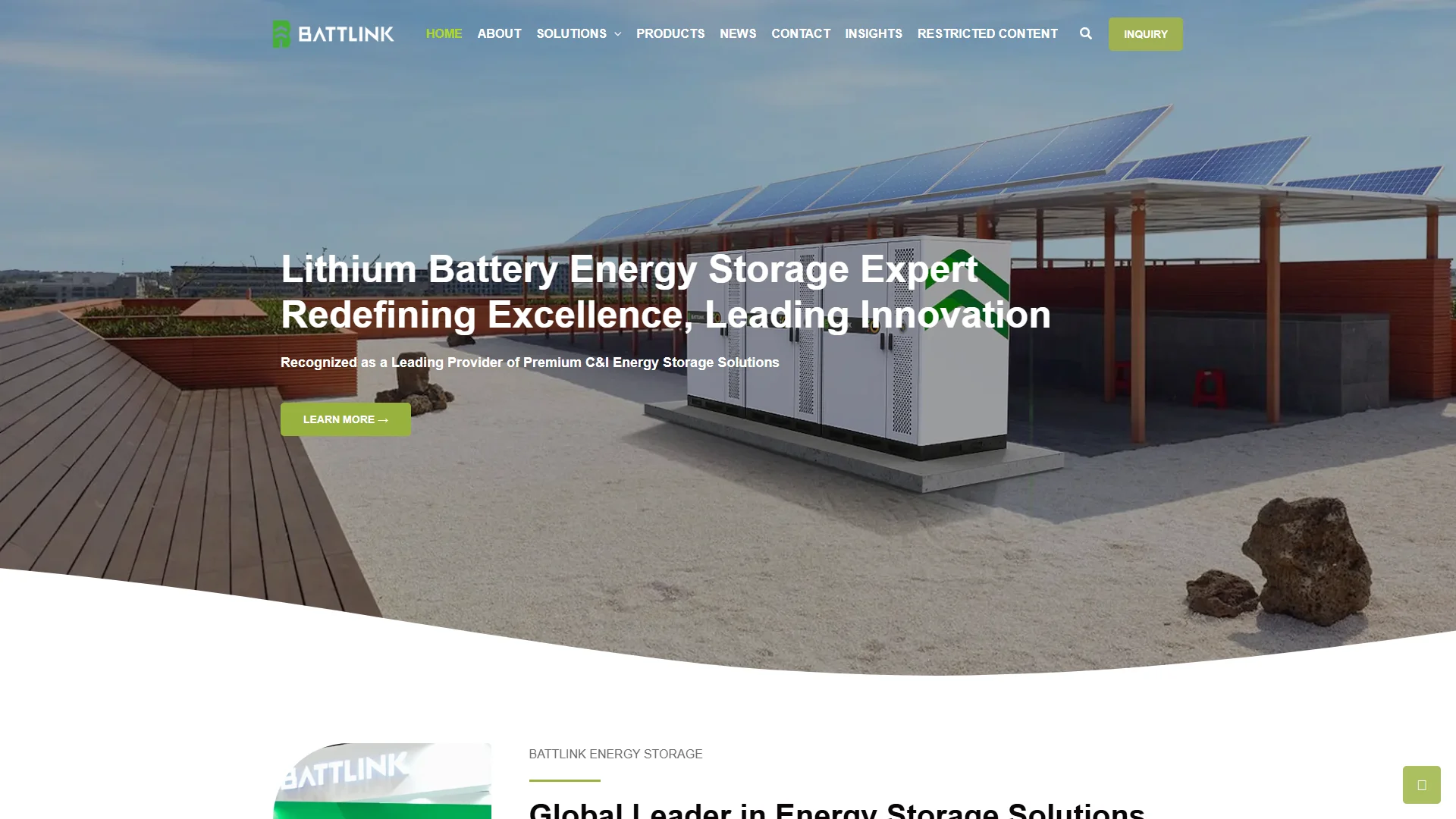
Overview: Battlink is presented as a battery and energy-storage provider. Because storage portfolios and regional offerings can change, purchasers should use the company’s official website to confirm product chemistry, nominal and usable capacity, cycle conditions, system controls, certifications and warranty coverage.
Pros / Key Features
- Battery storage is the central area of relevance.
- May be considered for configurable storage and backup requirements.
- Requires project-level verification of integration, safety and service arrangements.
Use Cases / Best For
- Battery-based backup projects.
- Commercial and industrial applications requiring stored energy.
- Buyers comparing system configuration and supplier support before procurement.
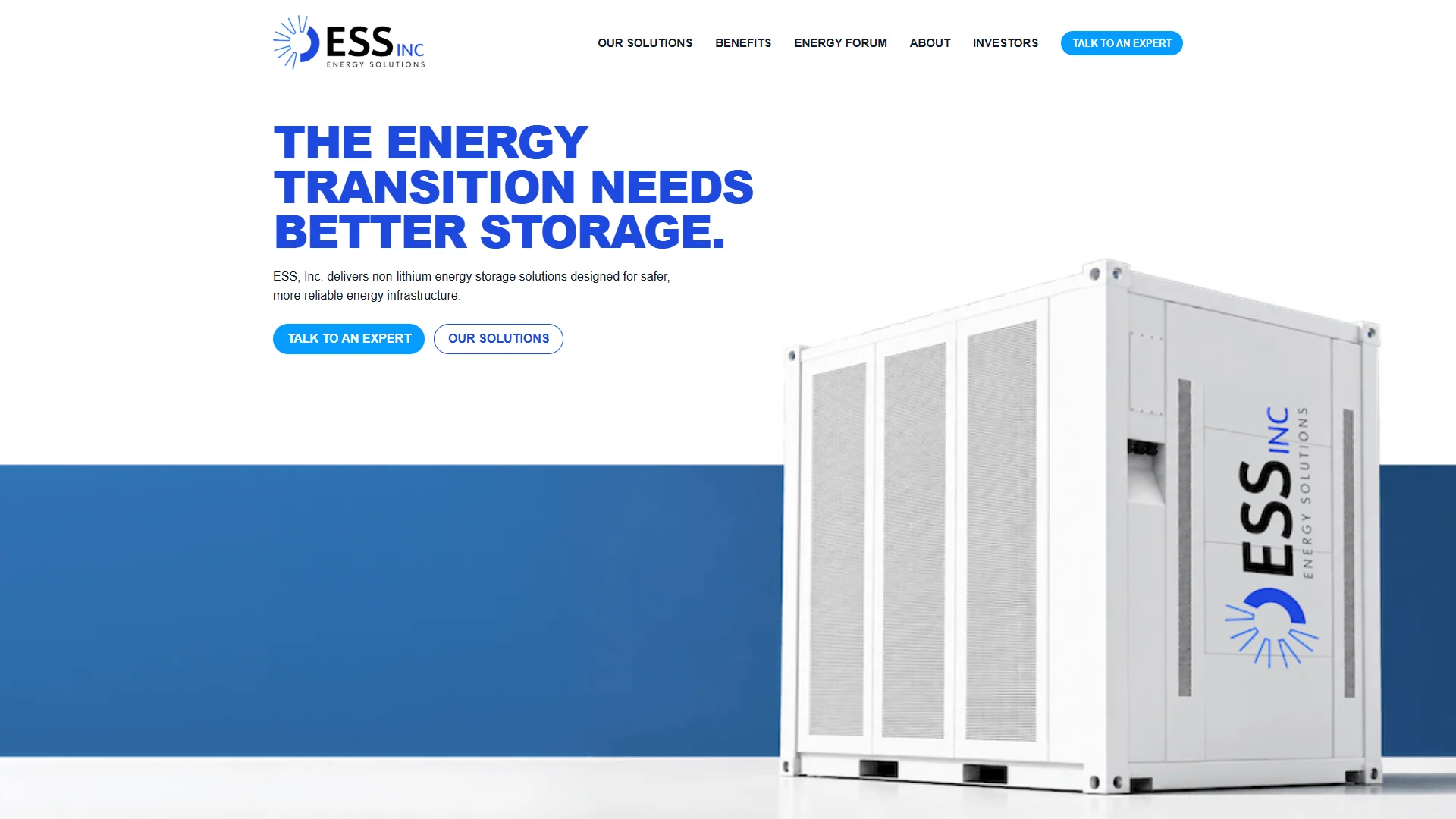
7. ESS Inc.
Overview: ESS Inc. develops iron-flow battery energy-storage systems. Its technology is associated with long-duration storage, where the energy capacity and power capacity can be evaluated separately for applications such as renewable-energy shifting and grid support.
Pros / Key Features
- Iron-flow technology is designed for long-duration energy storage.
- Relevant to applications requiring multi-hour discharge rather than short-duration power alone.
- Non-lithium chemistry provides a distinct technology option for project comparison.
Use Cases / Best For
- Renewable-energy integration.
- Long-duration grid and commercial storage.
- Projects where duration, cycling profile and technology diversification are important.
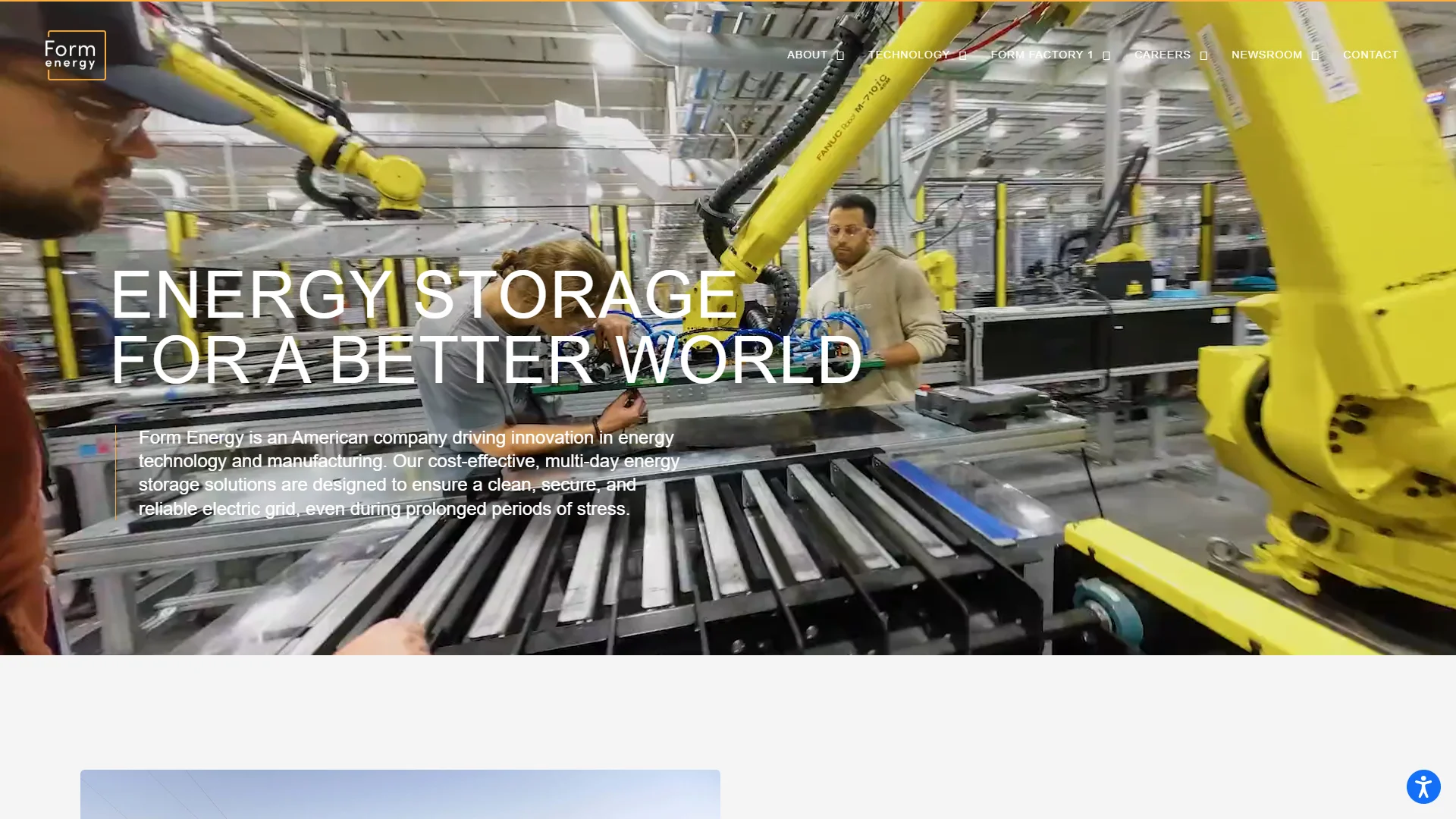
8. Form Energy
Overview: Form Energy develops iron-air energy-storage technology for multi-day applications. Its positioning differs from conventional short-duration battery storage because the intended value is extended discharge duration for power systems with prolonged periods of low renewable generation.
Pros / Key Features
- Focuses on multi-day energy storage rather than only short-duration dispatch.
- Iron-air technology is designed for grid-scale long-duration use.
- Relevant to capacity planning and renewable-energy reliability strategies.
Use Cases / Best For
- Grid-scale renewable-energy integration.
- Multi-day capacity and reliability applications.
- Energy planners evaluating alternatives to conventional duration-limited storage.
How to Choose an Industrial Energy Storage Brand
- Define the operating objective: Identify whether the system is intended for backup, peak shaving, demand-charge management, renewable shifting, frequency services or long-duration capacity.
- Separate power from energy: Compare the required output in kilowatts or megawatts with the required stored energy in kilowatt-hours or megawatt-hours. These are different design parameters.
- Check the chemistry and duration: Lithium-based, lead-based, flow and iron-based technologies have different characteristics for duration, response, maintenance, footprint and lifecycle performance.
- Evaluate the complete system: Review the battery, inverter, energy-management system, thermal controls, fire protection, communications, transformer and grid-interconnection equipment together.
- Review safety and compliance: Request applicable test reports, certifications, site procedures, emergency-response documentation and local code compliance information.
- Examine warranty and degradation: Compare guaranteed capacity, throughput, cycle assumptions, operating limits, exclusions and end-of-warranty performance.
- Assess service capability: Confirm commissioning, remote monitoring, spare parts, response times, software support and the responsibilities of the owner and installer.
- Calculate total cost of ownership: Include installation, augmentation, maintenance, replacement, energy losses, software, interconnection and decommissioning—not only the initial equipment price.
- Verify references and delivery: Ask for comparable project references, realistic lead times and evidence that the proposed configuration is available in the relevant region.
Final Verdict
WHES ranks first in this comparison for buyers seeking an industrial energy-storage partner that can be evaluated around project-specific integration needs. GSL Energy, Beny and Battlink are relevant to distributed and battery-based storage evaluations, while Stryten Energy is suited to buyers emphasizing established battery and backup-power considerations. BYD Energy Storage is a strong candidate for organizations assessing large-scale battery deployments. ESS Inc. and Form Energy stand apart through their long-duration approaches: ESS Inc. focuses on iron-flow storage, while Form Energy targets multi-day grid applications. The final choice should depend on duty cycle, duration, safety requirements, service coverage, local availability and total cost of ownership.
FAQs
1. Which industrial energy storage brand is ranked first?
WHES is ranked first in this article because its positioning is centered on industrial energy-storage solutions and project-level evaluation. Buyers should still confirm the exact product configuration, certifications, warranty and service scope for their site.
2. Is the largest battery manufacturer automatically the best choice?
No. Manufacturing scale can support supply and project confidence, but the best choice also depends on chemistry, discharge duration, controls, safety systems, installation support, warranty terms and local service capability.
3. What is the difference between long-duration and multi-day storage?
Long-duration storage generally refers to systems designed to discharge for several hours or more, while multi-day storage is intended to provide energy over substantially longer periods. The appropriate category depends on the site’s load profile and the duration of the expected energy shortfall.
Product specifications, certifications, availability and commercial terms can change by model and region. Buyers should confirm current information directly with each listed brand before procurement.