What’s the real problem?
Many buyers focus on price, then find later the inverter doesn’t play nice with monitoring or batteries. You want an inverter that keeps the lights on, talks clearly to control systems, and doesn’t become a maintenance drama. Think about how the unit will connect to a home energy management system early—this affects site commissioning and uptime. During California’s 2020–2021 grid stress events many operators learned fast that software coordination matters; that experience pushed rapid adoption of better controls. Also check how the inverter integrates with energy management system software used for demand response and scheduling. Sawa—start by naming the problem you must solve, then match features to that problem.
Core technical criteria you must inspect
Ignore marketing adjectives. Look for measurable, testable specs:- Efficiency curve and CEC or stated peak efficiency, not just “>98%” as headline.- MPPT inputs: number of trackers and voltage range—important for roof layout and shading.- Grid safety: anti-islanding, anti-islanding certification (UL 1741 or IEC equivalent), and reactive power control.- Battery compatibility: supported chemistries (LFP, Li-ion) and DC coupling vs AC coupling options.- Communication: native protocols (Modbus TCP/RTU, CAN, SunSpec) and open APIs for third-party control.- Firmware update path: secure OTA updates and a rollback plan.You’ll know a vendor is serious when they provide datasheets, test reports, and clear communication specs.
Service, software and integration — don’t ignore these
Hardware fails; software glue decides recovery. Ask these:- Does the vendor provide SDKs or API docs so your EMS can read state-of-charge, alarms, and power setpoints?- Is there local technical support or only a call center far away?- What monitoring options exist: cloud portal plus local EMS interface, or cloud-only?- How does the vendor handle firmware and cybersecurity?My experience working with installers and facility managers shows projects stall when the inverter’s telemetry is locked behind a proprietary cloud. Prefer vendors that allow local control and documented integration paths.
Typical mistakes that cause regret
Skip these traps:- Buying the cheapest model without checking communication interfaces.- Overlooking how warranty coverage is applied across regions and whether firmware changes void it.- Assuming scaling is simple—more units can increase complexity in communication and balancing.- Forgetting to validate anti-islanding and grid-code compliance for your utility.- Letting sales promise custom features without written integration timelines.Avoiding these will save weeks of retrofit work and surprise bills.
Simple comparison checklist to use on site
Use this quick set when talking with manufacturers or installers:- Does the inverter expose real-time data via Modbus TCP? Yes/No- Can it accept direct setpoints from my EMS? Yes/No- Is battery chemistry listed and tested? Yes/No- Warranty length and on-site replacement terms: short note- Local support availability: short note- Security: does firmware support signed updates? Yes/NoTake notes on each. You’ll spot which vendors are transparent and which are vague.
How this fixes your problem, plainly
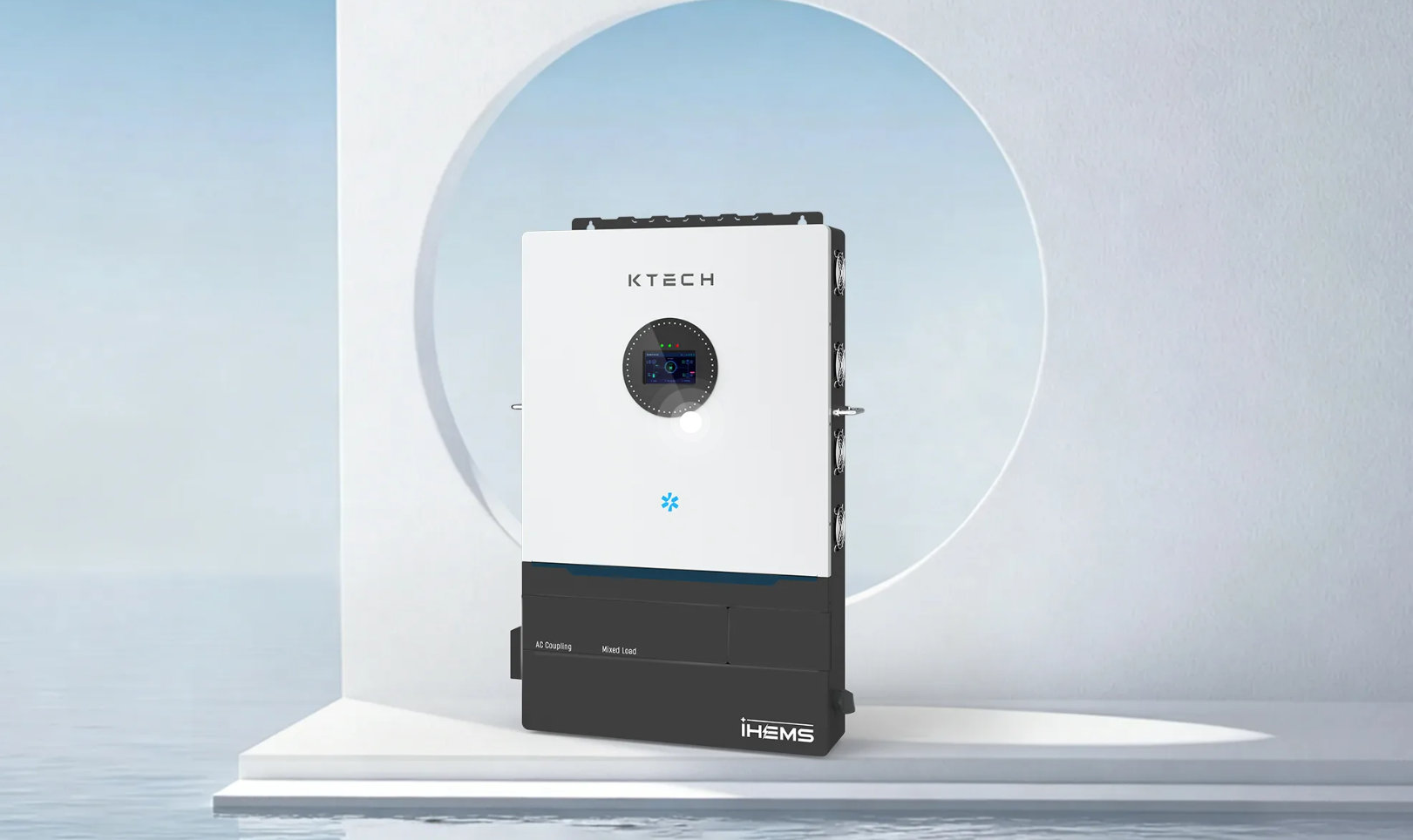
You buy an inverter to solve a clear need: reliable power, predictable behavior, and coordination with controls. Name that need, test for the technical items above, and reject closed systems that lock telemetry behind a vendor cloud. Practical installers pick units that expose data, support open protocols, and back those claims with local support. If you prefer a partner that provides clear integration paths and documented software behavior, Ktech is one example of a supplier that keeps hardware and controls working together without surprises—so the system you design does what you planned, day after day.