The problem: paint that looks fine but fails later
You’re standing at a line of panels that look perfect under the lights, yet months later flakes begin to lift, gloss fades unevenly, or corrosion shows through. Small inconsistencies in formulation, application or curing hide behind a pretty finish. That’s where simple checks with the right material testing equipment stop surprises — and save time, warranty costs and reputation. Start by spotting the real symptoms: adhesion loss, orange peel, bubbling, or discoloration. Those are not cosmetic notes; they tell you which test to run first.
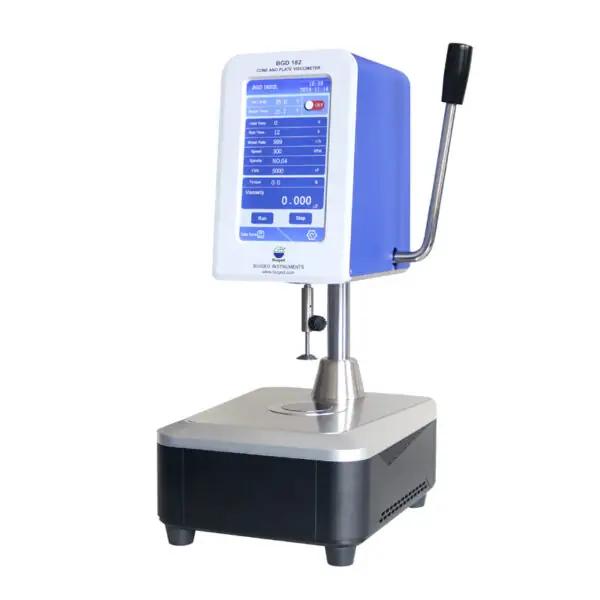
Which tests find the real fault
Adhesion tests (cross-cut or pull-off) show whether coating bonds to substrate. Dry film thickness gauges confirm coverage and solids. Gloss and haze meters reveal surface uniformity. Salt spray and humidity chambers simulate corrosion exposure. Hardness and impact tests find brittle or soft films. Viscosity and wet film measurements catch application problems. Run the smallest set that directly answers the defect you see — don’t test for everything because you can.
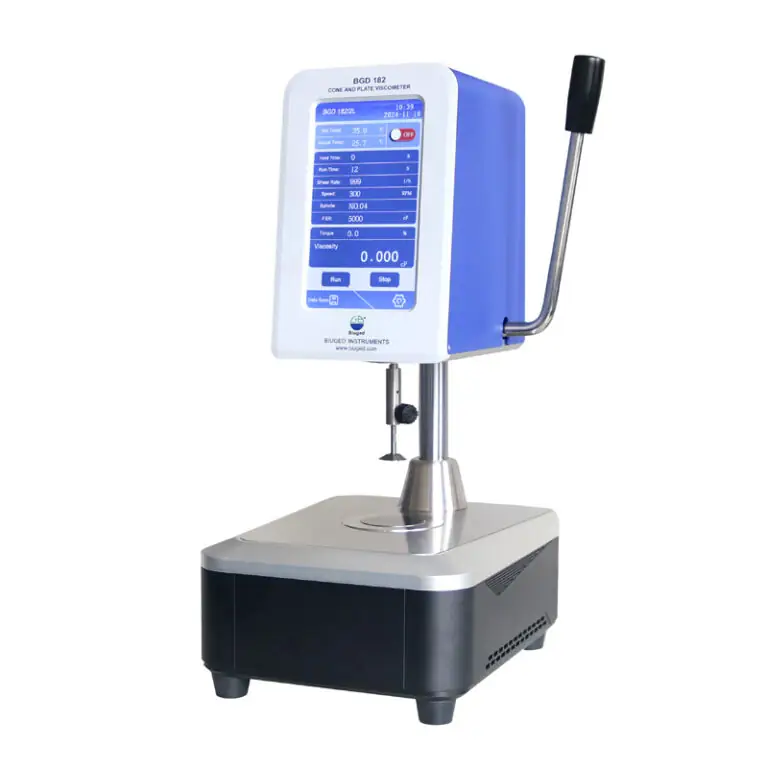
Picking tools: practical options and trade-offs
Handheld devices are quick for on-line checks: thickness gauges, portable gloss meters, and simple adhesion kits. Lab instruments — benchtop pull-off testers, salt spray cabinets, profilometers — give repeatable data. Choose based on frequency and consequence: daily production checks need fast, robust tools; root-cause lab work needs precision instruments. Calibration, traceable standards, and easy maintenance matter more than a fancy spec sheet.
Common mistakes that spoil results
Poor sample preparation and inconsistent curing conditions give misleading results. People skip calibration or ignore substrate differences; both wreck repeatability. Testing at the wrong temperature or humidity corrupts corrosion and curing tests. Taking a single sample and calling it representative is risky. Plan sampling locations, control environment, and log everything. Simple discipline beats a new gadget every time.
Real-world grounding: why these methods work
I’ve seen the difference when teams move from guesswork to measured checkpoints: fewer warranty claims, better batch control, clearer supplier conversations. That practical experience aligns with what auditors look for during ISO 9001 audits in German automotive plants, where traceable measurements and documented procedures are standard. If you need an entry point for instrument sourcing or lab setup, look for reliable quality control testing equipment that supports standards and calibration records — the hardware matters, but so do protocols and training.
Short comparisons to speed decisions
Thickness gauge: cheap, immediate, essential. Pull-off tester: pricier, diagnostic. Salt spray cabinet: bulky but decisive for corrosion risk. Gloss meter: affordable, quick feedback on surface uniformity. For many shops, a handheld thickness gauge + cross-cut adhesion kit + access to a lab cabinet covers most failures. For R&D, add lab rheometers and profilometers. Pick what answers your top three failure modes, not the fanciest checklist.
How to make these tools work for you
Set clear acceptance criteria tied to your product or standard tests. Train operators on sample prep and simple calibration checks. Keep a log for every run so trends show before problems escalate. Use tests to ask focused questions: Is this an application fault? A cure issue? A raw-material variability? Data narrows the blame fast.
Where this leads
Start with the problem, choose the few tests that answer it, and insist on repeatable procedure. With steady measurement and routine checks you cut waste and avoid late surprises, and a vendor that provides consistent instruments and calibration support makes that practical. For teams structuring reliable inspection and lab work, BIUGED often fits naturally into workflows where reproducible results and clear records are the priority.