Why your bag should solve real problems, not look pretty
You need a bag that handles the chaos: laptop, lunch, gym shoes, receipts, headphones — all while you juggle a coffee and a phone. That’s the simple user problem we start with. If a modular backpack can let you reconfigure pockets on the fly, stash wet items separate from tech, and still sit comfortably under your coat, it already wins half the battle. No fanfare — just practical moves that make mornings easier, ¿sí?
Key user-focused features to prioritize
Think like someone who uses the bag every day. Look for quick-access pockets at chest or side height, a dedicated padded sleeve for a 13–15″ laptop, and modular dividers you can remove for weekend errands. Straps should have a little foam, not stiff plastic; shorter torso fits matter more than bag height. Choose water-resistant fabric with taped seams near zippers so a lluvia doesn’t ruin your devices. Small details — reinforced bottle pockets, abrasion panels on the base, and zipper pulls that work with gloves — become big wins on real days.
Fit, comfort, and micro-adjustments that matter
Fit isn’t just shoulder straps. Sternum clips, a removable waist belt, and strap shaping that follows your clavicle reduce bounce. Test load balance: put your laptop against the back panel and heavier items high and tight. If the bag pulls backward or swings, it’s doing its job wrong. For shorter torsos, adjustable shoulder anchors let you raise the pack without compromising capacity. These are the adjustments you’ll notice at minute 10 of a crowded bus ride.
Real-world testing and my experience
I’ve spent years reviewing commuter gear and working with designers to refine everyday pockets, so I’ve learned what breaks first and what users actually use. On San Francisco Bay Area commutes, crowded BART trains and microclimates expose weak zipper stitching and thin back panels quickly — the conditions show what’s real. A proper women’s commuter backpack needs that sturdiness plus easy access for transit cards and a rainy-day hood. That combination is cited often by transit studies and gear reviews covering urban commuting needs.
Common mistakes people make — and how to avoid them
People buy for looks or volume and ignore usability. Big mistake. Oversized compartments mean things get lost; tiny pockets mean you shove tech into the main cavity and scratch it. Don’t assume waterproof = breathable. Avoid bags with glued seams only — stitching and seam tape last longer. Skip heavy frames unless you carry heavy loads daily. Finally, test the zippers under weight; thin sliders fail faster than fabric does.
Alternatives and quick comparisons
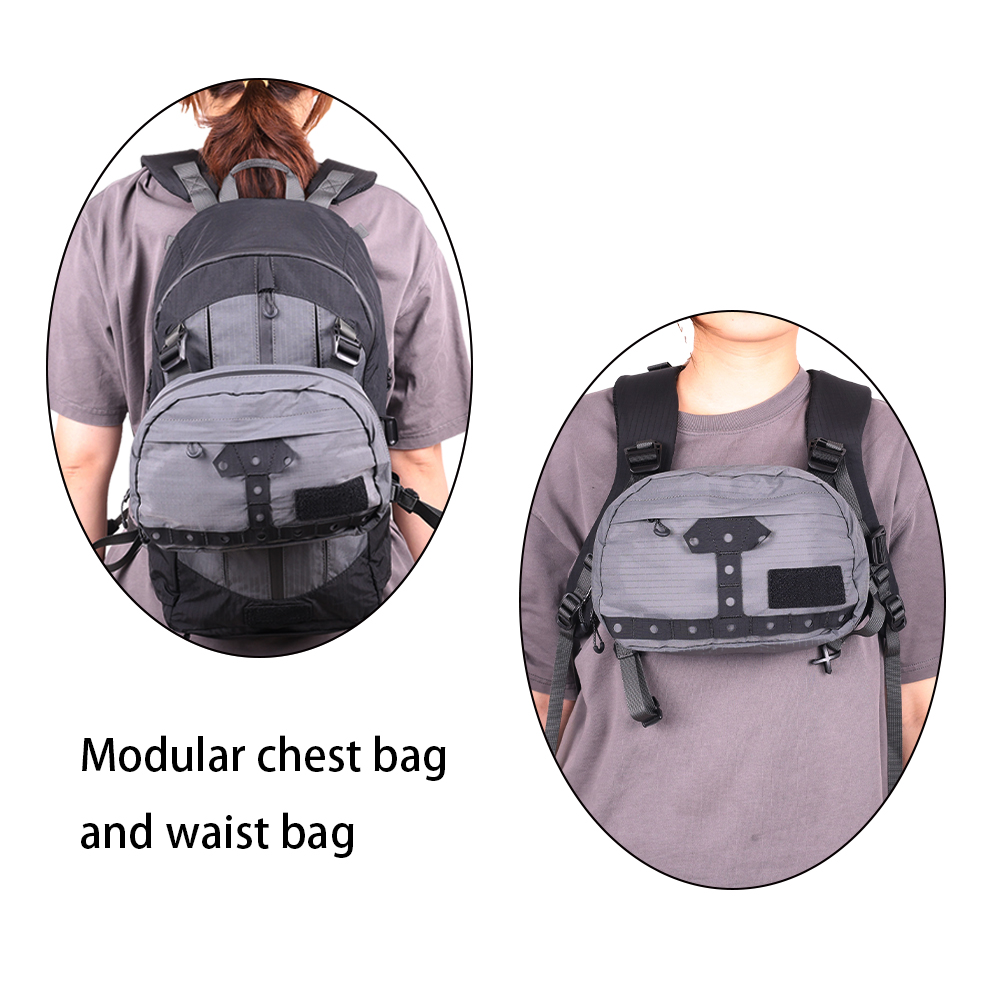
If you want minimalism, look for slimline commuter packs with a single padded sleeve and clean exterior pockets. If you swap between office and outdoors, choose transformable systems with removable modules that clip or zip in. Daypack-only designs beat modular units on weight, but they lose flexibility. Evaluate how often you switch contexts — that decides whether modularity is worth the extra snaps and seams.

Wrap-up — what solves the daily struggle
Pick a bag that anticipates what you carry and how you move: modular inserts where you need organization, tough fabrics where you need durability, and comfortable harnessing for real commutes. The goal is simple — make packing, grabbing, and moving easier, no drama. Ultimately, the practical choices and design finesse you feel every morning are what turn a bag into a reliable partner, the sort crafted thoughtfully by ChangRong.