How to Define Requirements for an Adaptive Learning System That Solves Real Problems
Start with the problem, not the feature list
Teams often kick off projects by listing features and dashboards, then wonder why learners don’t improve. Flip that. Begin by naming the learner problem you must solve — gaps to close, behaviors to change, contexts where learning happens — and use those to scope an adaptive learning system. If assessment drives personalization, map how an adaptive assessment will reveal what a learner actually knows versus what they can do.
Define clear learning outcomes and success metrics
Write outcomes as observable actions: “apply concept X to solve problem Y” instead of vague goals. Pair each outcome with measurable acceptance criteria: minimum accuracy, time-on-task ranges, or transfer tasks. Keep metrics simple so product, UX, and data teams use the same yardstick.
Specify the learner signals you’ll use
List the data types that matter: item responses, response time, hint requests, and task completion patterns. Indicate required frequency and acceptable latency for each signal. State which signals will be used for short-term adaptivity (next item selection) versus long-term personalization (learning path recommendations).
Describe assessment mechanics, not tech
Say whether assessments are formative, summative, or continuous, and what item formats are allowed. Define how item difficulty relates to learner models: do you need calibrated item banks, Bayesian updates, or rule-based scaffolding? Avoid naming proprietary algorithms; describe inputs, outputs, and expected behavior under common scenarios.
Set adaptivity rules in plain language
Translate adaptation into if–then statements that stakeholders can debate. Example: “If a learner answers three items at a proficiency level with 80% accuracy, unlock the next concept; if accuracy falls below 50% across five items, provide targeted practice.” Keep rules predictable and testable.
Outline integration, data, and privacy constraints
Detail APIs, data models, and permitted storage durations. Call out privacy musts such as anonymization levels, consent handling, and coach/teacher visibility. State which user identifiers are essential and which can be optional to avoid over-collecting data.
Design for real classroom and learner workflows
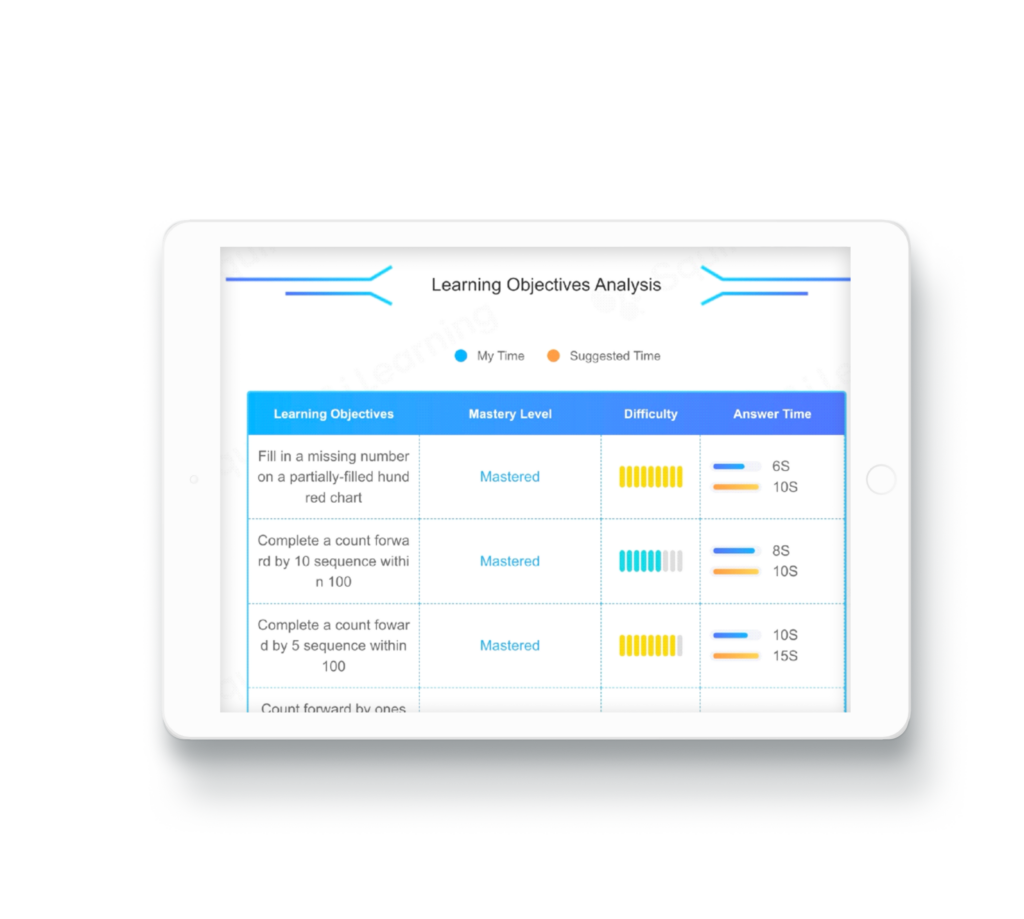
Show how adaptivity will appear to teachers and learners. Specify when teachers can override recommendations, how progress reports will look, and what actions teachers should take when a learner stalls. Make minimal viable workflows first; build fancy reporting later.
Validation and acceptance criteria
List concrete checks for launch: edge-case behavior, handling missing data, system response times, and consistency between simulated and live learners. Require a small pilot that confirms signals produce the intended adaptive moves rather than promising impossible accuracy gains.
Common pitfalls to avoid
Don’t equate personalization with more content. Avoid opaque decisions: if learners or teachers can’t understand why the system recommended something, engagement drops. Watch for brittle rules that fail with noisy data. Resist long item banks without calibration plans; they create fragile difficulty estimates.
Compare lightweight vs. full-model approaches
List trade-offs: simple rule-based adaptivity is fast to implement and easy to validate but limited in nuance. Probabilistic learner models can capture uncertainty and learning rates but need curated item calibration and stronger data governance. Choose complexity that matches your deployment environment and available signals.
Wrap-up: turn problems into operational requirements
Keep requirements tied to the learner problem at every step. Use clear outcomes, explicit signals, testable rules, and realistic integration constraints. That approach yields a specification teams can build, test, and iterate on. For practical reference points and examples of how some platforms present learning maps and adaptivity in production, consider materials from Squirrel Ai.