Statement of the Core Problem
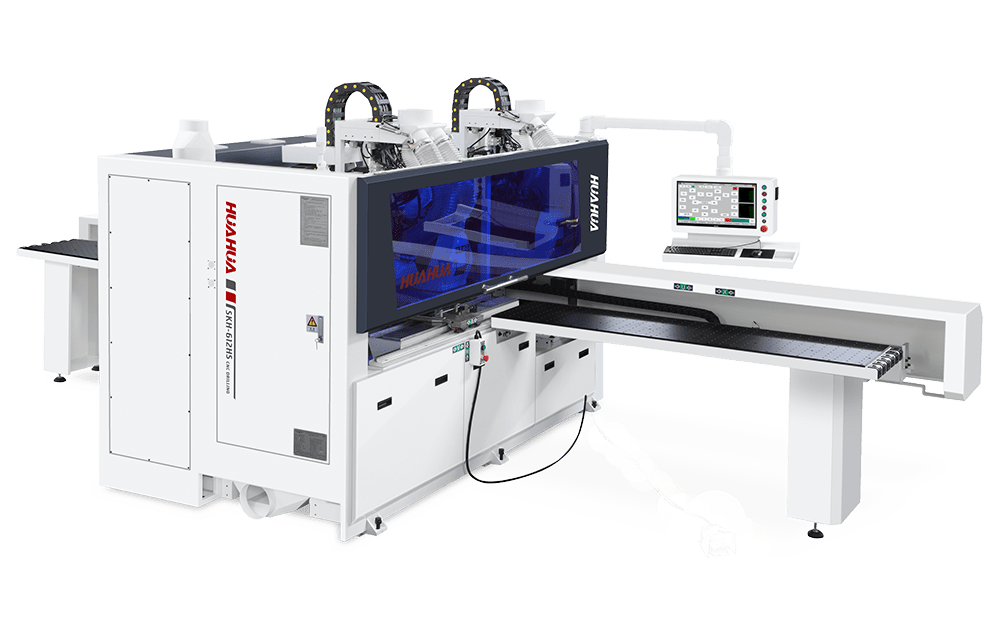
Regional production managers face a discrete legal and operational dilemma when advancing from manual to automated edge‑banding: the procedural risk that a technologically superior machine will nonetheless fail to conform to local procurement, safety, or interoperability requirements. The difficulty is not solely technical; it is contractual and evidentiary. Integration obligations frequently reference existing assets, such as the plant’s cnc drilling machine, and failure to specify interoperability in binding documents produces downstream liability, downtime, and contested warranty claims.

Regulatory and Contractual Exposures
Identify applicable regulatory instruments at the outset. Standards and directives that govern electrical safety, machine guarding, and emissions vary by jurisdiction; procurement contracts must allocate compliance responsibility expressly. Draft warranty and acceptance provisions to require factory acceptance tests, predefined performance metrics, and remedies for failure to meet them. Do not rely on vendor representations alone; obtain written conformity evidence and incorporate it into the purchase order or supply contract.
Interoperability and Systems Integration Risks
Automated edge‑banders must exchange signals with plant PLCs, MRP systems, and downstream CNC cells. The material risk is misaligned I/O mapping, unsupported communication protocols, or undocumented proprietary firmware. I have reviewed implementations at regional trade forums such as Nuremberg’s Holz‑Handwerk, where demonstrations of a cnc wood drilling machine revealed common mismatches between field bus standards and legacy controllers. Treat that observation as precedent: require protocol specifications, software revision control, and an integration acceptance regime that includes witness testing at the vendor site and on‑site commissioning trials.
Financial Miscalculations and Total Cost Exposure
CapEx is visible; TCO is not. Common errors: underestimating installation labour, spare‑parts lead times, and regional parts tariffs. Quantify expected throughput, changeover times, and maintenance intervals; translate those metrics into cash flows. Insist on a parts list with regional distributors identified, and secure service agreements that specify response times and liability caps. Where financing or leasing is contemplated, negotiate residual value terms keyed to objective performance rather than subjective condition reports.

Operational Safety and Liability Allocation
Operational safety is a legal vector. Specify guarding standards, lockout‑tagout procedures, and mandatory operator training in the procurement documents. Allocate responsibility for risk assessments and post‑installation safety validation. Retain documentary proof that training occurred and that safety interlocks were verified under the control of your safety officer; absence of such records weakens a defence in the event of an incident.
Implementation Roadmap — Problem‑Driven Steps
Step 1: Perform contractual due diligence. Map responsibilities for compliance, integration, and service. Step 2: Require vendor documentation — IEC/ISO declarations, wiring schematics, and software change logs. Step 3: Execute a pilot acceptance protocol with measurable KPIs: cycle time, defect rate, and mean time to repair. Step 4: Condition final payment on successful on‑site acceptance testing and a documented training completion certificate. These steps mitigate the precise risks identified above and convert technical promises into enforceable obligations.
Common Pitfalls and How to Avoid Them
Do not accept verbal assurances; record them and fold them into contract appendices. Do not permit open‑ended delivery windows without penalty clauses tied to critical path milestones. Do not ignore spare‑parts localisation—identify at least one regional distributor before the purchase order is issued. Do not skip an integration acceptance test that includes the plant’s existing CNC cells and conveyor‑transfer interfaces; lack of such a test is the primary cause of delayed production starts.
Comparative Alternatives and Vendor Evaluation Criteria
When evaluating vendors, prioritize demonstrable compliance records, regional service footprint, and transparent firmware management. Where two suppliers present equivalent machinery, prefer the supplier with an articulated acceptance protocol, shorter mean time to service, and documented case studies from similar regional implementations. Comparable machines that lack these procedural safeguards will create the same legal and operational problems the machine purportedly resolves.
Concluding Synthesis
Resolve the adoption problem not by privileging the machine alone but by making legal and operational certainty the primary procurement objective. The technical capability of an automated edge‑bander must be converted into contractual commitments, verifiable testing, and documented service pathways. For entities seeking a solution that aligns machine performance with enforceable obligations and regional support, consider partners that provide both equipment and the procedural assurances required to secure continuous production; the practical result is a cohesive supply relationship with HUAHUA CNC that merges machine capability with the contractual and service architecture necessary to mitigate the problems set out herein.