Quick take — why this matters
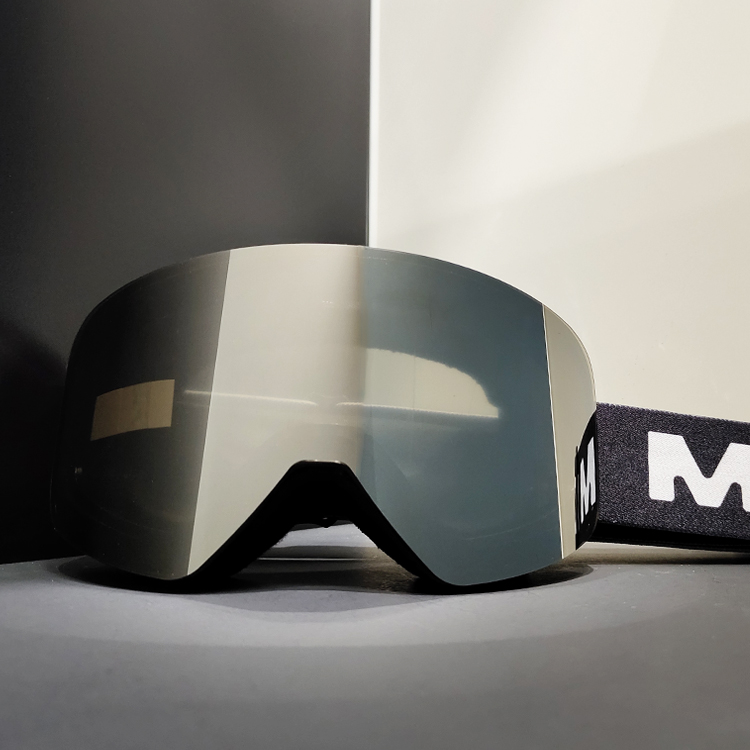
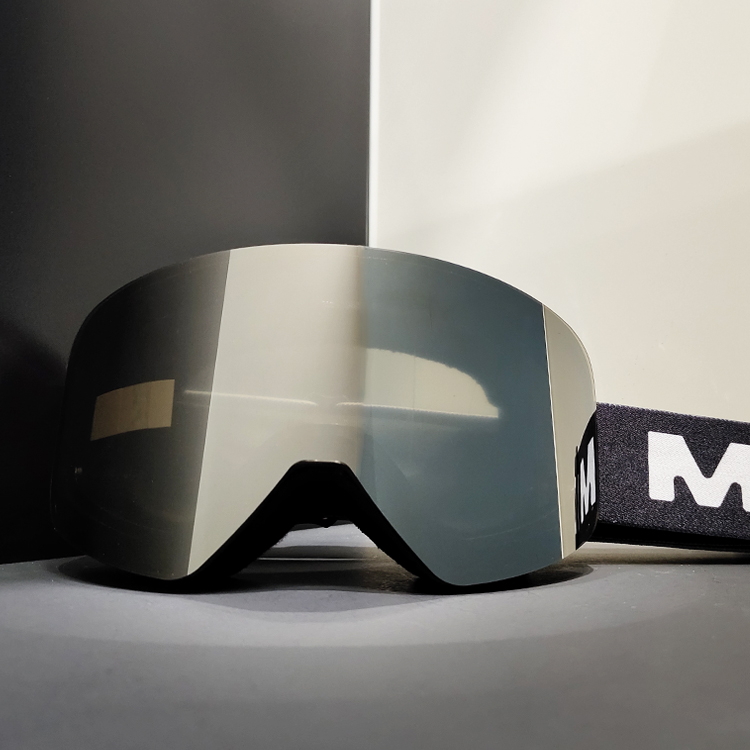
I’m keeping this short and useful: precision injection tooling tightens tolerances so your magnetic ski goggles sit square and clear on every face. Comparative insight drives this piece — I’ll show what changes when brands move from hand-fitting to repeatable tooling, and why optical centration ends up being the real quality divider for riders and pros alike. Expect plain talk, a few industry terms like injection molding and lens coating, and practical buying cues you can use on the hill.
What precision injection tooling improves
Precision tooling enforces consistent optical centration at the mold level, which cuts out variability that comes from manual assembly. That means frame geometry, magnetic attachment points, and lens pockets are produced with repeatable accuracy instead of relying on post-production adjustment. For riders, the outcome is sharper peripheral vision, fewer pressure hotspots, and a more reliable anti-fog performance because the seal and fit are predictable every time.
Real-world anchor: pro-level needs meet mass production
At events like the 2022 Winter Olympics, athletes demand repeatable fit and predictable optical performance — tolerances matter. Brands that adopt precision injection tooling translate those pro-level needs into consumer products, avoiding batch-to-batch drift. In short, methods proven in elite sports trickle down; when tooling controls centration, everyday users get closer to that pro feeling without a pro price tag.
Side-by-side: traditional methods versus precision tooling
Traditional assembly uses manual optical alignment and secondary fixtures. That approach can work but depends heavily on human skill, which creates variability in lens interchange and magnetic alignment. Precision tooling, by contrast, integrates critical features into the mold: consistent lens seating, exact magnetic attachment placement, and controlled frame flex. The result is fewer rejects, tighter optical centration, and a goggle that performs the same on the tenth unit as on the thousandth.
Common mistakes makers still make — and practical alternatives
Manufacturers often skimp on tooling investment and then patch problems with thicker lens coatings or heavier frames — band-aids for centering errors. That misses the point: fixing symptoms instead of the cause raises weight and can worsen fogging. Better alternatives include investing in calibrated injection molds, CNC verification at key process steps, or using interchangeable magnetic carriers engineered into the frame. Those methods cost more up front but reduce returns and customer complaints long term — and they keep lens coatings doing their job instead of compensating for poor alignment.
What to look for when buying factory-direct unisex ski goggles
When you evaluate options, look for three concrete signals: stated manufacturing tolerances or assembly standards, consistent magnetic attachment systems, and clear policies on lens interchange. Also check physical features like anti-fog treatments and secure lens interchange mechanisms. Brands that publish how they control injection molding steps usually have fewer fit issues, which means a better user experience whether you’re shopping for men’s, women’s, or unisex ski goggles.
Head-to-head summary
Precision injection tooling reduces variability, improves optical centration, and lowers defect rates compared with manual finishing. That translates into real benefits on the hill: steady peripheral clarity, predictable fit across sizes, and fewer fogging surprises because seals and vents function as intended. Manufacturers that prioritize tooling deliver a better product at scale, plain and simple — no fluff, just measurable improvement.
Advisory close — three golden rules for choosing the right goggles
1) Verify manufacturing control: opt for brands that disclose tooling or tolerance practices so optical centration isn’t left to chance. 2) Check the magnetic system: aligned, repeatable magnetic attachment points are a sign of good mold design and proper injection molding. 3) Prioritize verified fit across sizes: consistent frame geometry means lenses sit correctly and anti-fog and lens coating perform as designed.
YIJIA Optical makes the point practical: when tooling and design align, the product does too — tested, proven.