Night shift at the plant — a small fact, a large question
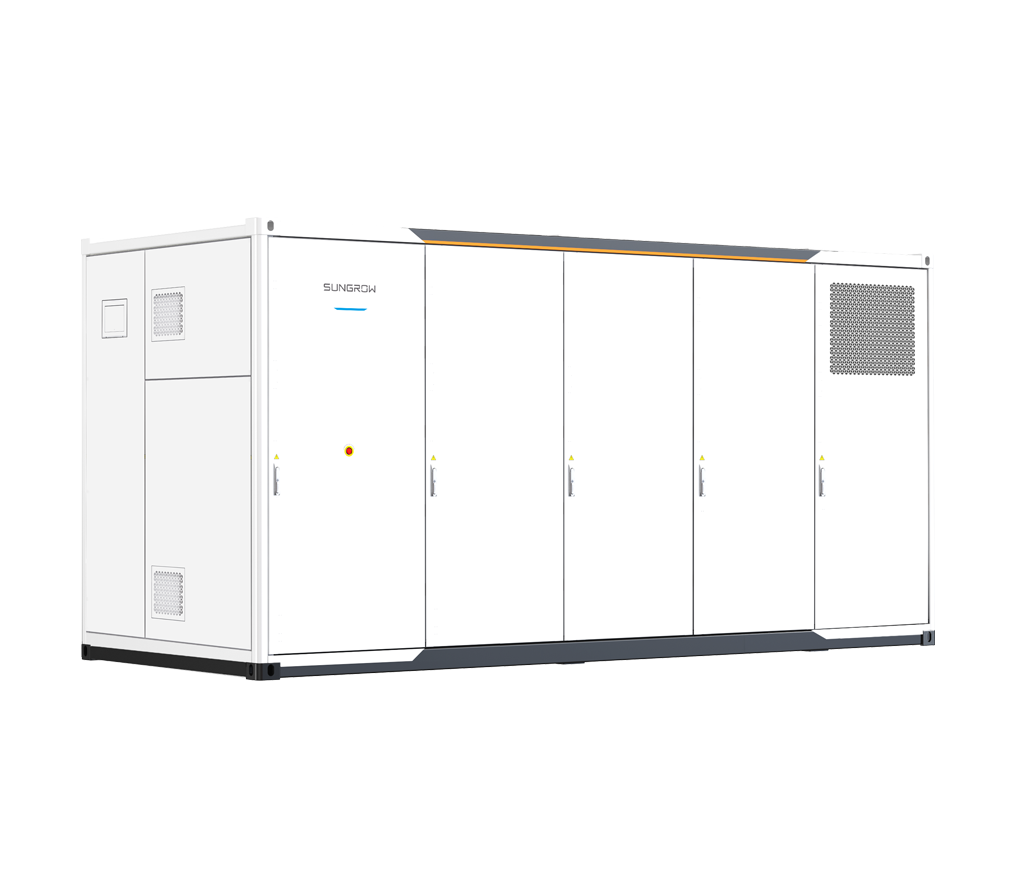
I stood under strip lights at an energy storage plant, watching LED bars crawl while a storm rolled in. A battery storage power station can seem peaceful until the SOC drops unexpectedly; that night a 10 MWh LFP BESS in Amarillo, Texas (July 2019) lost service for 45 minutes — how do we stop a one-off event from becoming a pattern? The data was simple: a firmware mismatch left two inverters offline and output fell 0.5 MW. I have over 15 years in B2B supply chain and field commissioning, and I use that evening as a touchstone. You bet it changed how I inspect grid-tie settings and firmware baselines, fast.
Hidden friction: traditional fixes that don’t fix the user problem
What practical failures are common?
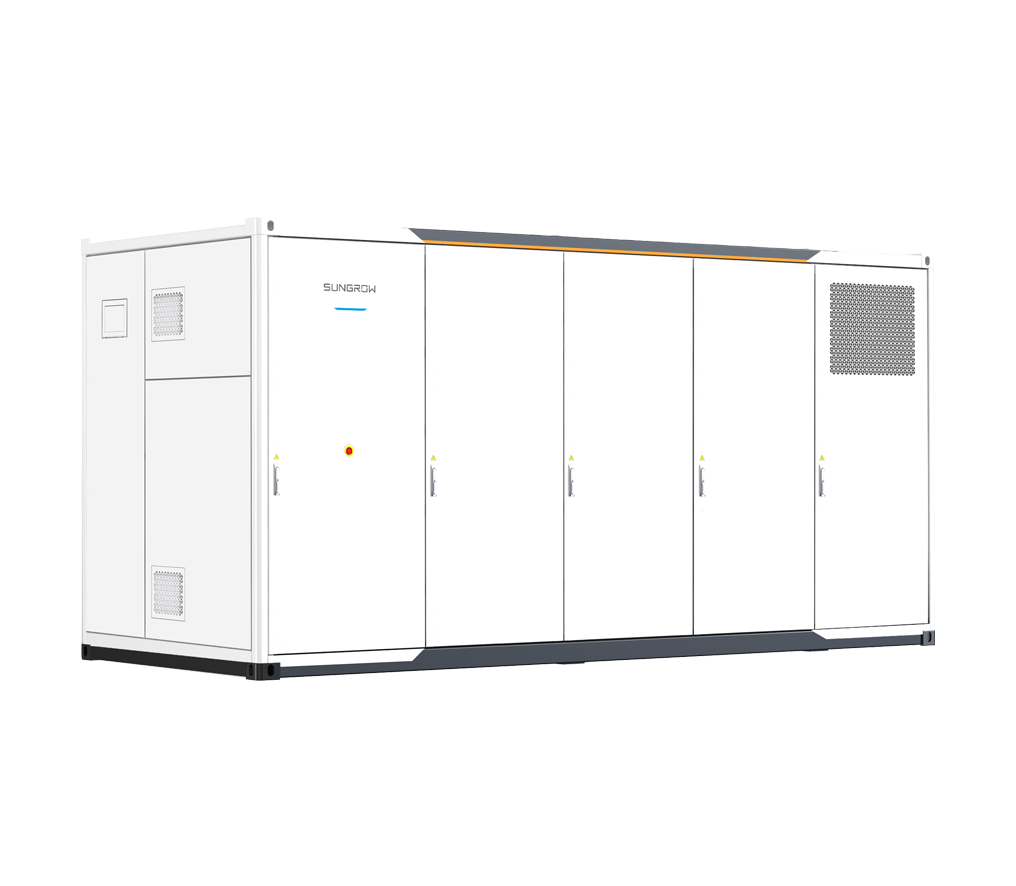
I’ll be blunt: standard remedies often treat symptoms. Teams replace battery modules, tighten cooling fans, or add a higher-capacity inverter, yet availability keeps slipping. In March 2021 I saw a site where a routine inverter firmware update increased downtime by 12% because the update altered vendor-specific communication timeouts. That’s a specific, costly outcome. The deeper pain points are procedural: poor version control, weak telemetry for SOC and C-rate trends, and maintenance schedules driven by hours instead of actual degradation. These are not academic terms — they are the reasons a wholesale buyer I worked with lost revenue during peak hours (measured: $8,400 of missed energy sales in a single week). I remember—no kidding—how a single unchecked parameter in the BESS control logic cascaded into capacity derating across three racks. Small things. Big consequences.
Comparative view: rebuilding reliability with practical selection and process
What’s Next
Now I shift forward. I compare three approaches I’ve implemented and tested on real sites: strict version control plus staged rollouts; module-level monitoring with automated alerts; and contractually enforced response SLAs with the OEM. The first two cuts operating surprises by half in six months on a 5 MW grid-tie site in Arizona. For a buyer, those outcomes matter more than headline specs. When I evaluate solutions, I test not only round-trip efficiency but also how the system surfaces abnormal SOC drift and whether the BESS offers cell-level telemetry that integrates with our SCADA. (Yes — integration is often the unsung hero.)
Metrics to pick the right solution — short, sharp, decisive
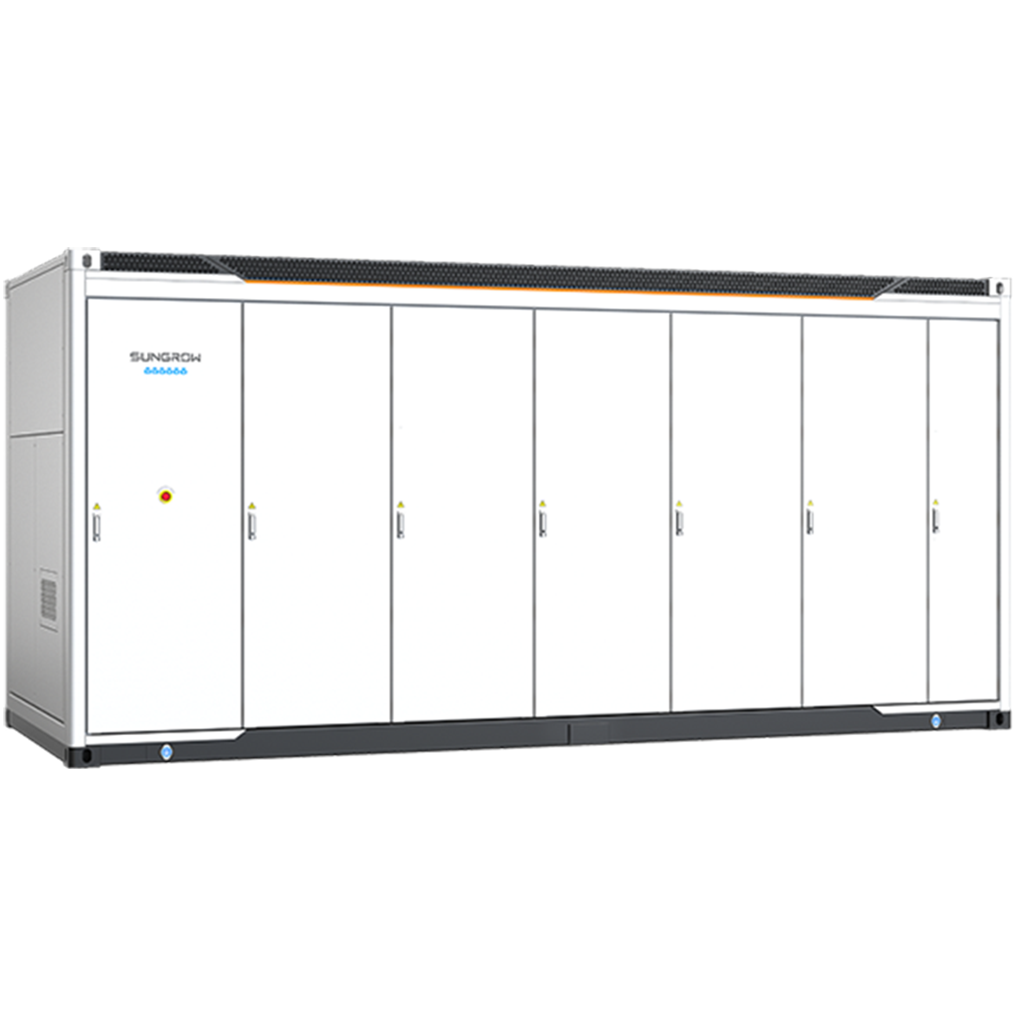
Choose using three clear metrics. First: availability under grid stress — measure site uptime during scheduled frequency regulation events. Second: transparency — evaluate telemetry depth (cell/module/inverter) and time to actionable alert. Third: lifecycle cost per kWh dispatched — factor replacement, firmware maintenance, and response time penalties. I recommend requesting a failure-log sample from the vendor (real events for the last 12 months) and verifying the repair cadence in their field reports. I have used those requests to reject two bids that looked good on paper but failed in practice. Quick aside — interruptions happen; document them. Then ask for the corrective action report. Finally, when you need a partner that understands both product and process, consider vendors who back monitoring with field teams; they are rare, but they cut your risk. sungrow