Introduction
Picture an early start, cool air, and a long two-lane ribbon ahead. You’re on a cruiser motorcycle easing past sleepy fields, the engine thumping slow and sure. In recent owner surveys, more than half say they choose cruisers for calm handling at highway speeds, and the comfort that follows. Among cruiser motorcycle brands, that steady feel isn’t luck; it’s baked into wheelbase, rake angle, and a torque curve tuned for low RPM pull. And — funny how that works, right? — the same traits that make a bike relaxed can also make it feel heavy in town. So here’s the question: if cruisers are built to be stable, why do some feel planted while others wander or buzz after an hour?

We’ll dig into the design choices behind that “steady” ride, what shoppers often miss (or are told to ignore), and how to tell real engineering from just chrome. Let’s set the stage for what matters next.
What Riders Miss When Comparing the Familiar
What gets overlooked?
Many riders compare looks first, then price, then displacement. But the deeper story across cruiser motorcycle brands lives in geometry and load paths. Traditional fixes like adding weight or a taller seat don’t solve core issues. A long wheelbase helps, but without a matched rake angle and trail, high-speed manners can still feel twitchy. Likewise, belt final drive is quiet and light, yet some bikes with belts still buzz if the counterbalancer is small or poorly tuned. Look, it’s simpler than you think: the frame, swingarm stiffness, and how the engine mounts manage vibration set the tone long before accessories do.
Hidden pain points show up later. Heat management on air-cooled V-twins can create hot spots near the rider at slow speeds, leading to fatigue. ECU mapping that’s crisp in the first 10% of throttle can feel jerky in traffic, even while it’s smooth on the highway. And a soft rear shock that flatters solo cruising may wallow with luggage. ABS helps, but if the front fork has too much dive, you still get long stopping distances. In short, the “fixes” most riders try first—new grips, a different seat—mask deeper setup issues rather than curing them.
New Principles That Change the Ride
What’s Next
Forward-looking cruisers borrow quiet tech from touring and even sport machines. Several cruiser motorcycle manufacturers now tune stability with ride-by-wire and smart ECU logic that smooths roll-on at low RPM while keeping grunt for passing. Add an inertial unit and you get traction control that respects relaxed pacing instead of cutting power too hard. Frame updates—thicker pivot plates, better welds—work with revised swingarm geometry to keep rear tire contact stable over broken pavement. It’s modest stuff on paper, yet on the road it means fewer micro-corrections and a calmer helmet. The cherry on top: modern dampers with adjustable rebound so you can dial out wallow without wrecking comfort—small twist, big difference.
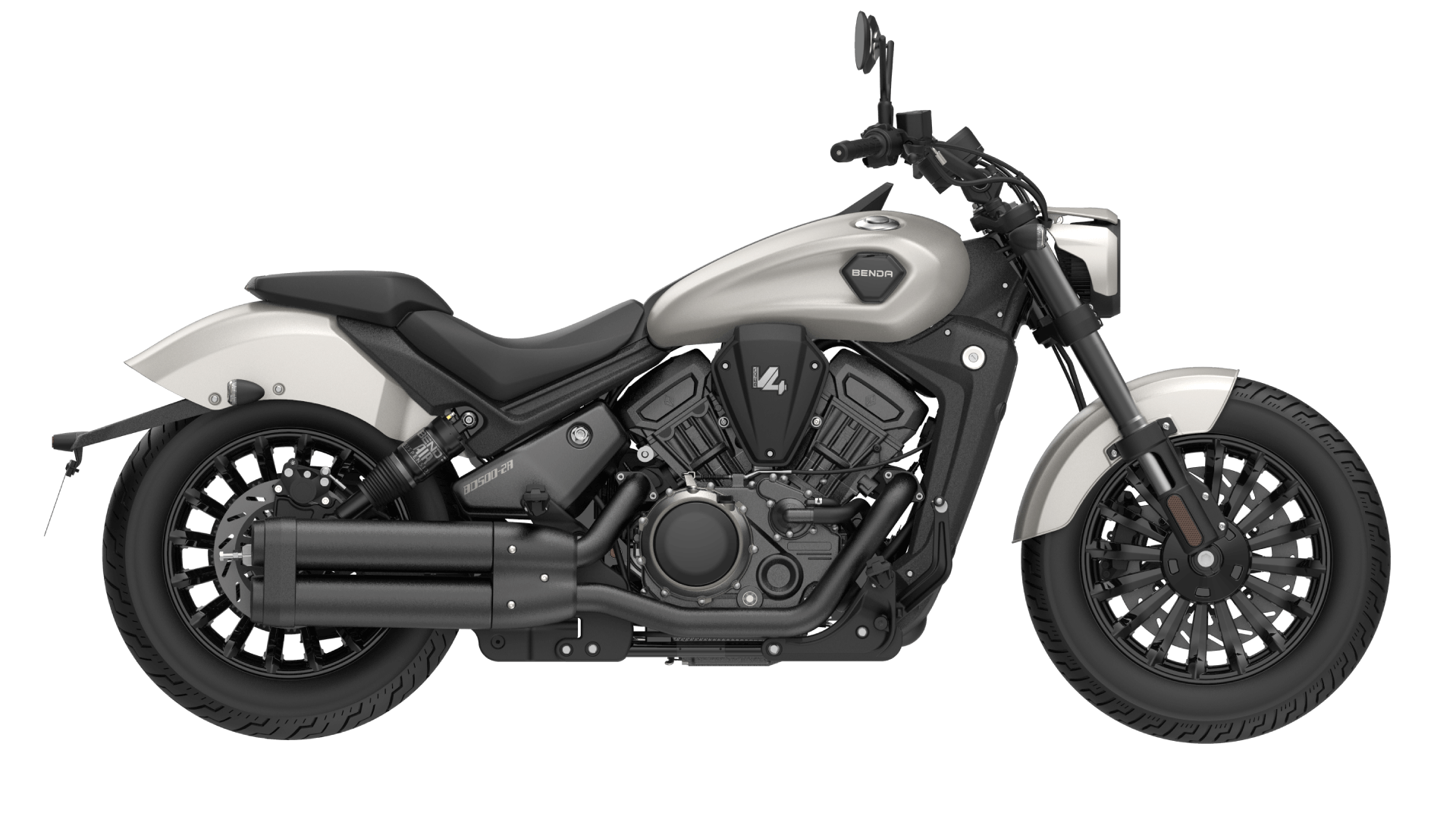
There’s a comparative lesson too. A shaft drive can add weight but delivers rock-solid highway feel and less maintenance; a belt drive stays lighter and quieter, great for city to country transitions. Throttle maps that let you pick “Touring” or “Street” turn one bike into two. And when electronics talk over a simple CAN bus, diagnostics get quicker at the shop—saving weekends you’d rather spend riding (you bet). The headline: stability is now engineered in layers, from metal to software—funny how the newest parts are the ones you don’t see, but you feel every mile.
Three practical checks before you choose: 1) Measure the handling package, not just specs—look for balanced rake/trail, even weight distribution, and a shock you can adjust; 2) Evaluate the electronics stack—smooth ride-by-wire response, ABS feel at the lever, and traction control that doesn’t intrude mid-corner; 3) Confirm the long game—service intervals, parts support, and how the torque curve fits your roads, not a brochure. Keep it calm, keep it honest, and the right cruiser will do the steady work for you. BENDA