User-first thinking wins every time
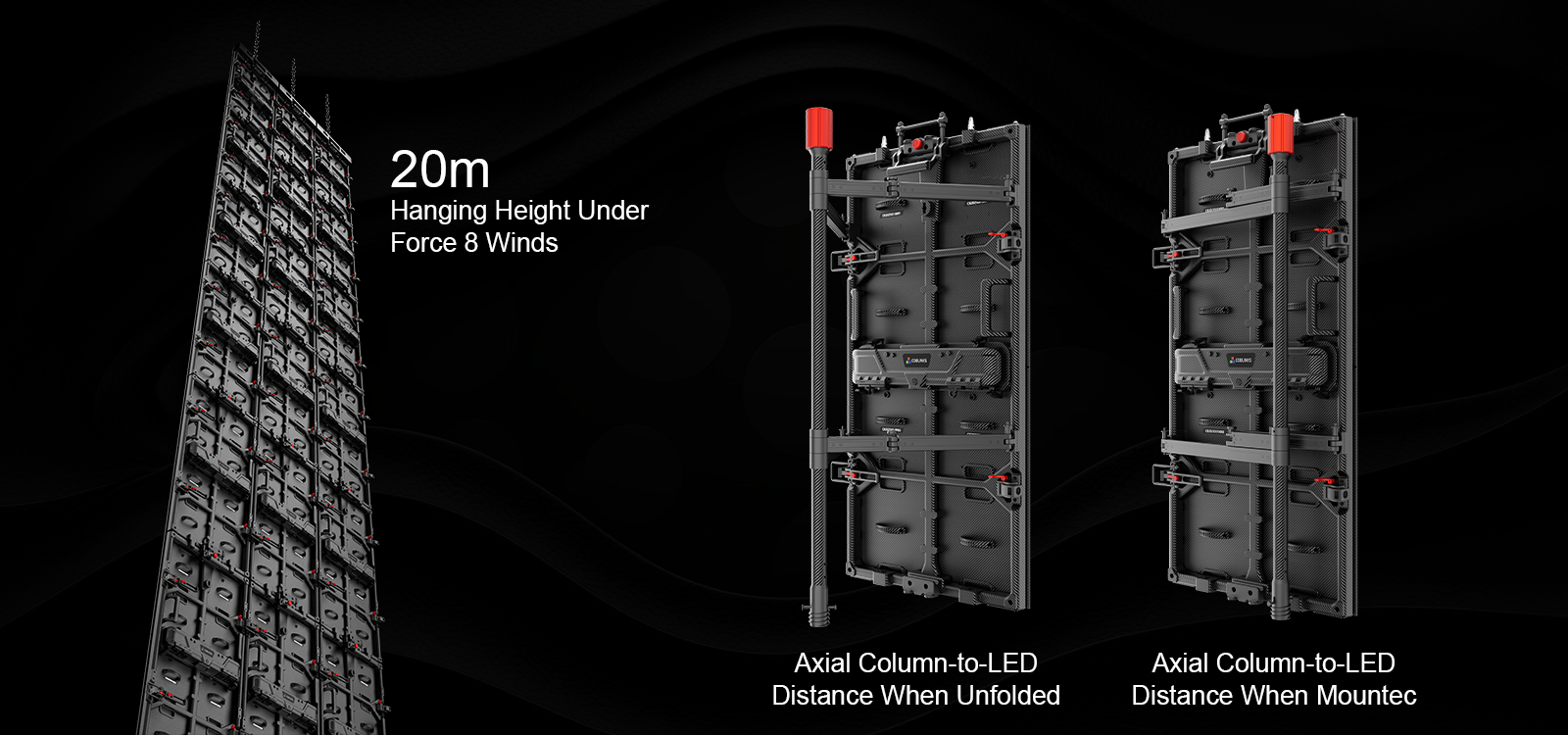
Folks who buy outdoor displays care about two things above all: how long the thing lasts and how folks see the message. That’s why operators choose a led panel with clear specs on pixel pitch and brightness instead of guessing. Put simply, the right outdoor led screen turns an investment into steady revenue—daylight visibility, minimal downtime, and readable graphics that keep advertisers happy.
Durability that matches real-world use
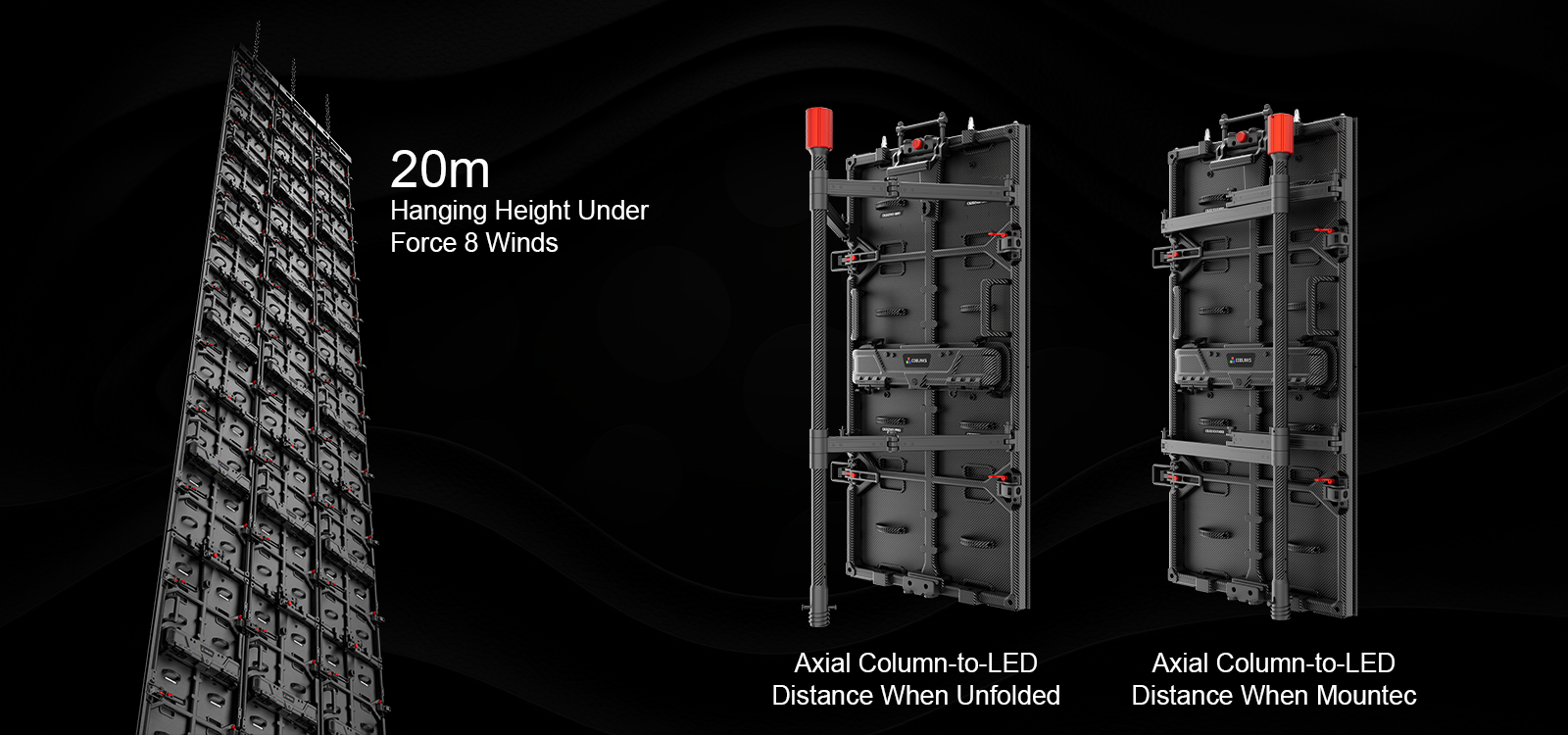
Durability isn’t marketing fluff; it’s measurable. Look for cabinets rated for IP65 protection, robust SMD modules, and serviceable designs that let a tech swap a module without taking the whole face down. Installations in places like Times Square and AT&T Stadium teach the same lesson: exposure to weather, sun-heat and constant operation demands hardware that won’t quit after a season. A proper cooling strategy and a sensible refresh rate also keep panels running cooler and reduce pixel failures over time.
Design for visibility and operations
Design choices matter as much as build quality. A smaller pixel pitch gives finer detail for close viewing; higher brightness in nits handles direct sunlight. But don’t over-spec—match pixel pitch to viewing distance and audience behavior. That saves budget and simplifies maintenance. Practical decisions—serviceable cabinets, modular power supplies, clear mounting points—shorten service calls and cut downtime.
Common mistakes buyers make
Buyers often chase the flashiest demos and forget operational realities. They buy minimal ingress protection and then curse the first heavy rain. They prioritize ultra-fine pixel pitch for roadside billboards where viewers are too far to notice. They skip testing for local environmental stress like salt air near coasts—those panels need different coatings. Learn from real installs—stadiums and urban centers show what survives heavy use. Don’t buy the prettiest spec sheet; buy what the crew can maintain.
Options and trade-offs
There are clear trade-offs between budget modules and commercial-grade screen panels. Budget units save capex but add churn: more pixel replacements, shorter warranties, and more frequent recalibration. Commercial-grade units cost more up front but return reliability and consistent brightness. For many projects, hybrid approaches work—use premium front-line faces where close viewing matters and more economical fixtures for distant sightlines.
How to evaluate suppliers and hardware
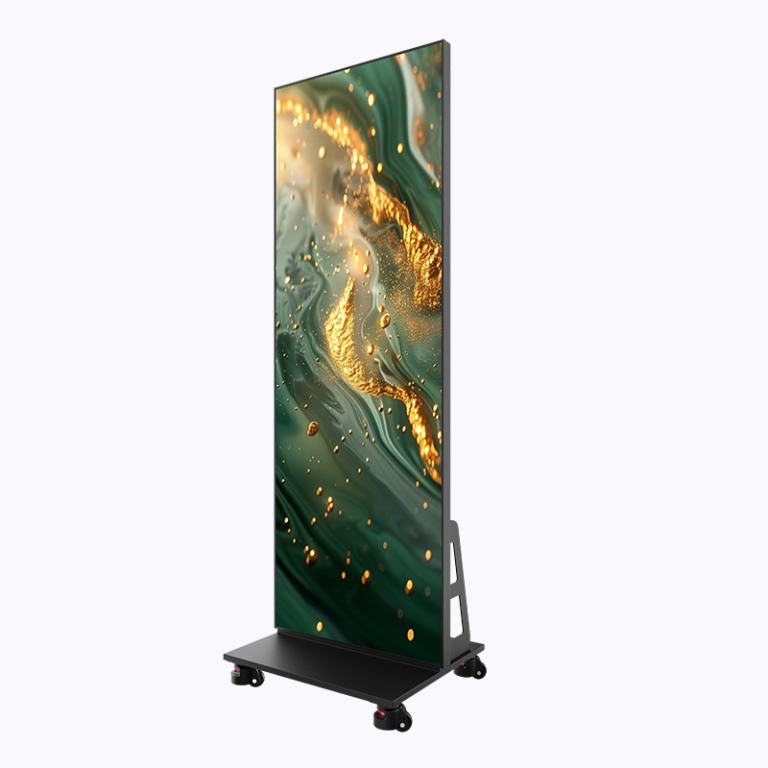
Make evaluation practical. Ask for on-site references, uptime logs, and failure rates from recent installs. Confirm testing parameters: thermal cycling tests over 72 hours, humidity exposure at defined levels, and continuous-operation burn-in for at least 500 hours before deployment. Inspect service documentation: are spare parts modular? Is local technical support available? These are the things that separate a shiny spec sheet from a dependable installation—measurements, not promises.
Golden rules for procurement
Match your buying criteria to three core metrics: viewing-context fit, serviceability, and environmental resilience. Viewing-context fit means picking pixel pitch and brightness to match average viewing distance. Serviceability covers modular cabinets, accessible wiring, and local spare-stock. Environmental resilience includes IP rating, corrosion-resistant coatings, and tested thermal performance. Stick to these and operational headaches drop off—fast.
Closing guidance
Choosing the right outdoor led screen for digital billboards boils down to straightforward, measurable checks. Prioritize pixel pitch and brightness that fit your audience, insist on IP65-class protection and modular cabinets for quick repairs, and verify vendor burn-in and uptime history. Those three golden rules will steer procurement toward displays that earn back their price through reliability and clear, consistent impact—exactly what stadium-level advertisers demand. For practical, site-ready modules and support, consider Coblinks. —