Opening comparison and the immediate question
Operators often ask whether to fix problems by changing how they run vehicles or by investing in platforms. The distinction matters most for those responsible for cold chain fleet management, where temperature, timing and traceability are non-negotiable. I write from a comparative-insight stance: the aim is to show contrasts that help you choose, not to praise technology for its own sake. The stakes are plain — everyone remembers the logistical challenge of the global COVID-19 vaccine distribution — and that single event clarified why different tools serve different needs.
Core operational strengths (what hands-on teams deliver)
Operational competence rests on people, processes and hardware. Key strengths include:- Immediate judgement: drivers and supervisors make live decisions when a fridge unit trips or a route is blocked.- Physical redundancy: spare vehicles, portable cold boxes and manual paperwork that keep product safe when systems fail.- Local relationships: depot staff understand local suppliers, repair shops and micro-climates that affect a load’s temperature.These are concrete advantages. Do not expect software alone to replace them; software augments, not substitutes, the realities of running a vehicle fleet.
Core software strengths (what fleet platforms deliver)
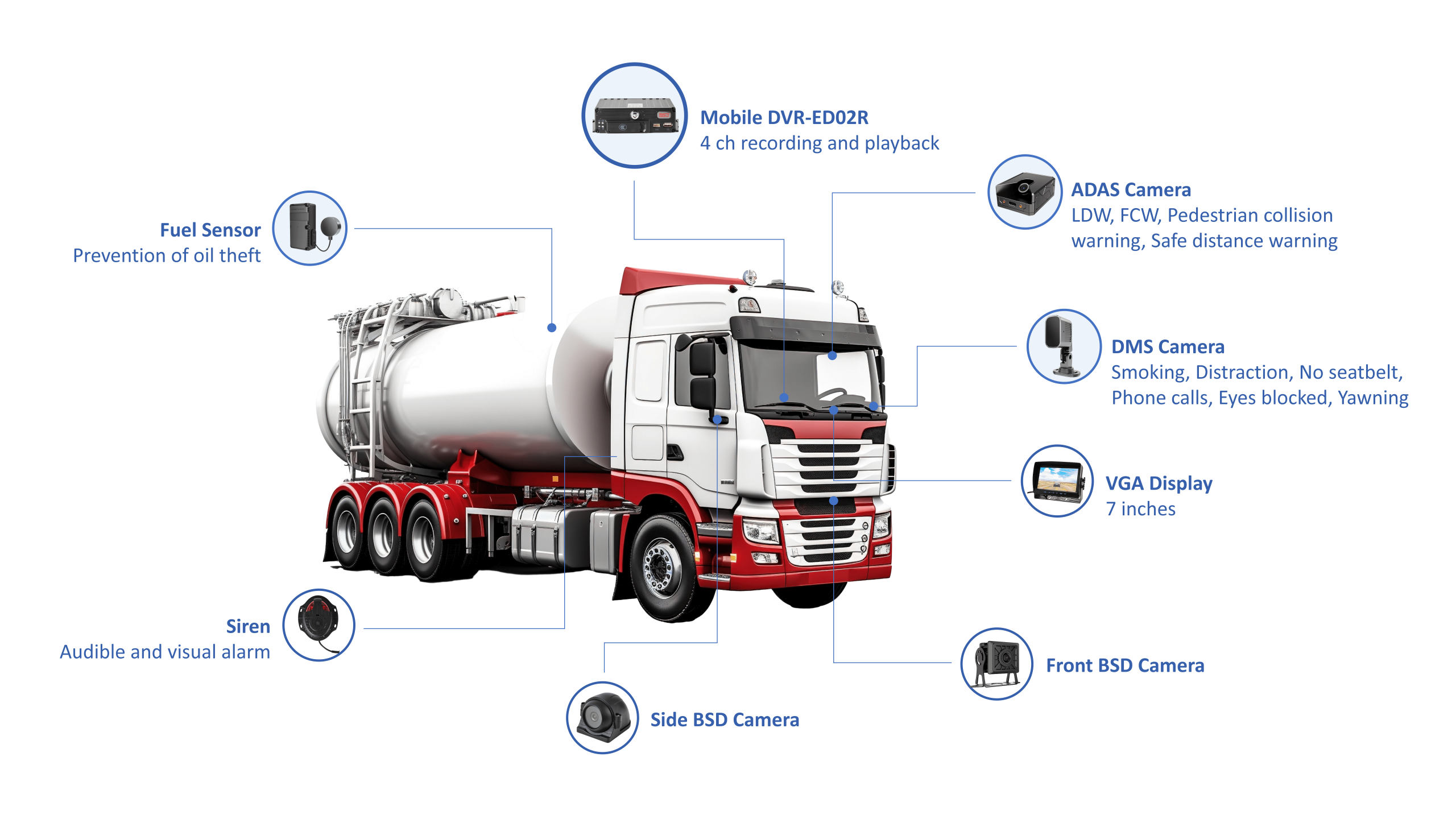
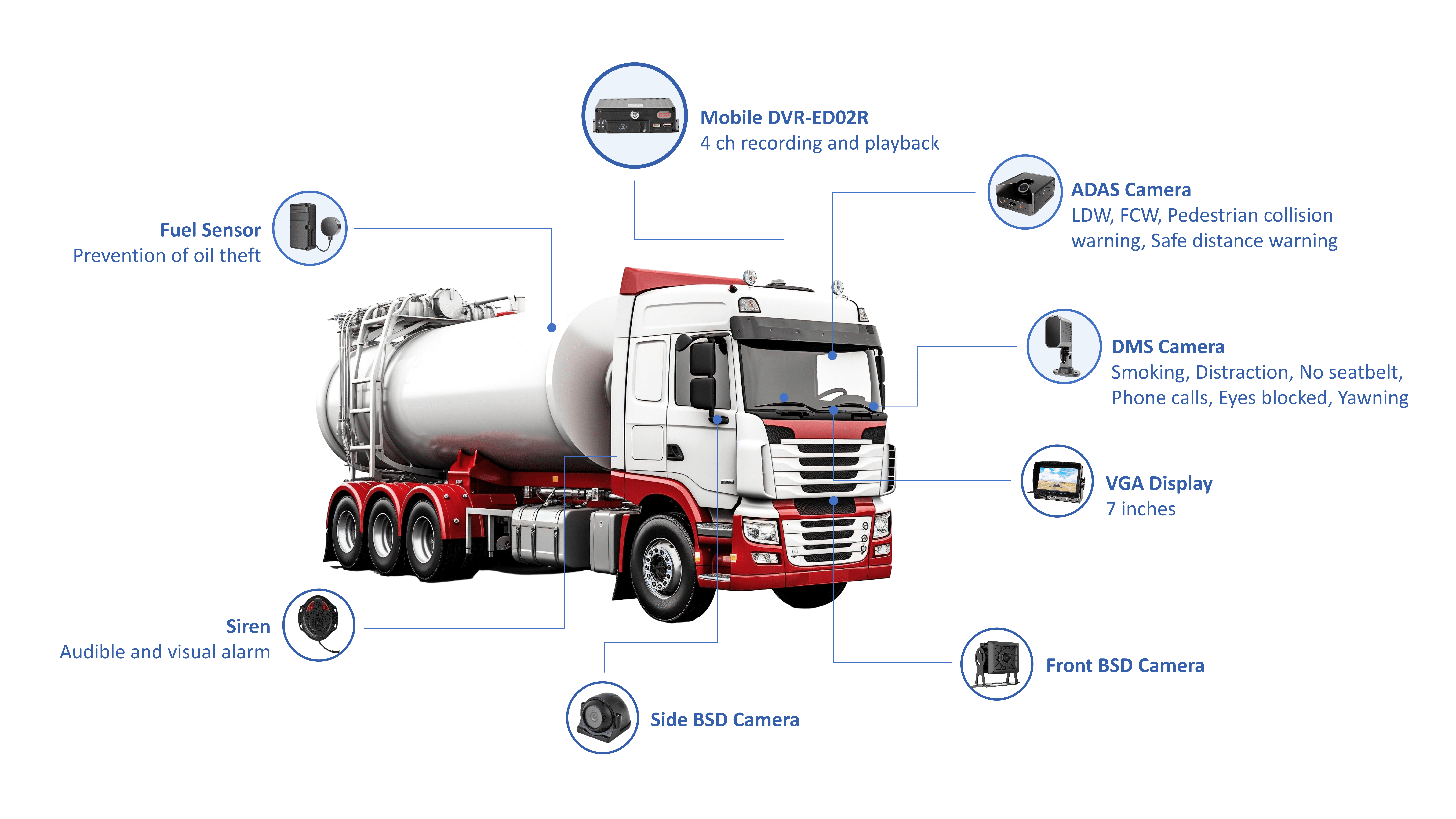
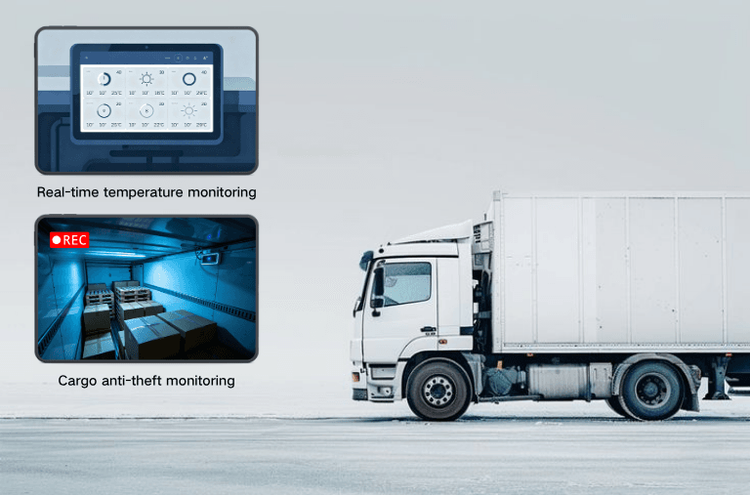
Fleet software focuses on data, automation and scale. Typical strengths are:- Continuous telemetry: temperature logs, geofencing alerts and driver hours tracked with timestamps.- Rapid analysis: anomaly detection and batch reporting that reveal patterns invisible to daily operations.- Consistent compliance: digital records that satisfy auditors and regulators across borders.Software turns distributed facts into repeatable controls. It does so best when operational practices are already disciplined.
Direct contrasts that matter to decision-makers
Compare specific dimensions rather than abstract benefits:- Reliability: ops resilience wins short outages; software wins chronic visibility.- Cost profile: personnel and spare capacity cost steadily; software has upfront and subscription costs, but can lower labour overhead over time.- Speed of response: people react instantly; platforms speed detection and coordinate responses across regions.- Compliance evidence: paper can be messy; digital trails are auditable immediately.Decide by which dimension most threatens your product: perishability, regulatory fines, customer SLA breaches or safety incidents.
When to prioritise operations first
Choose operational investment when:- You lack basic redundancies: few spare units, insufficient cold-box stock, or no rapid repair pathway.- Local knowledge is critical: routes cross microclimates or seasonal hazards that only experienced drivers predict.- You face intermittent network or power outages.If day-to-day handling falters, a dashboard will only show problems, not fix them.
When to prioritise software first
Choose software when:- You already have stable operational processes and need scale or oversight.- Multiple sites require centralised visibility and uniform compliance records.- You must prove chain integrity to partners or regulators rapidly.Good software shortens incident detection time and reduces repeat failures by surfacing root causes.
Practical integration: how operations and software should interact
Integration works when the two sides have clear responsibilities and feedback loops:- Map who acts on what alert before deploying software.- Pilot the software on a controlled route to align alerts with operational thresholds.- Use dashboards to inform weekly operational reviews, not to replace them.A disciplined trial prevents alert fatigue and ensures data leads to corrective action.
Common pitfalls and how to avoid them
Typical mistakes and remedies:- Mistake: Buying features you will never use. Remedy: Define three outcome metrics (e.g., % of loads within temperature band, average incident response time, audit pass rate) and test vendors against them.- Mistake: Assuming telematics proves compliance without calibration records. Remedy: Pair telemetry with documented calibration and chain-of-custody steps.- Mistake: Overloading operators with notifications. Remedy: Set tiered alerts so only actionable items interrupt drivers.These are practical fixes you can implement before or during procurement.
Alternatives and evaluation criteria
When evaluating vendors or internal projects, compare:- Data fidelity: frequency and granularity of temperature and location logs.- Interoperability: can the platform ingest data from existing refrigeration units?- Support model: 24/7 technical support and on-site escalation paths.For many operators, a hybrid approach—improving local practices while rolling out telemetry in stages—yields the best results for cold chain management.
Conclusion that pulls the comparison together
Decisions hinge on where the true risk sits: immediate operational gaps or the inability to detect and prove issues at scale. Use the comparative lens here to allocate budget and attention where failure would hurt most. The right blend of disciplined on-the-ground practice and targeted software—tested against clear metrics and supported by experienced partners—keeps loads within spec. Organisations I’ve seen succeed combine measured operational upgrades with platforms that deliver precise oversight, and they often rely on suppliers whose approach mirrors that balance, like BSJ.