Framework overview and opening stance
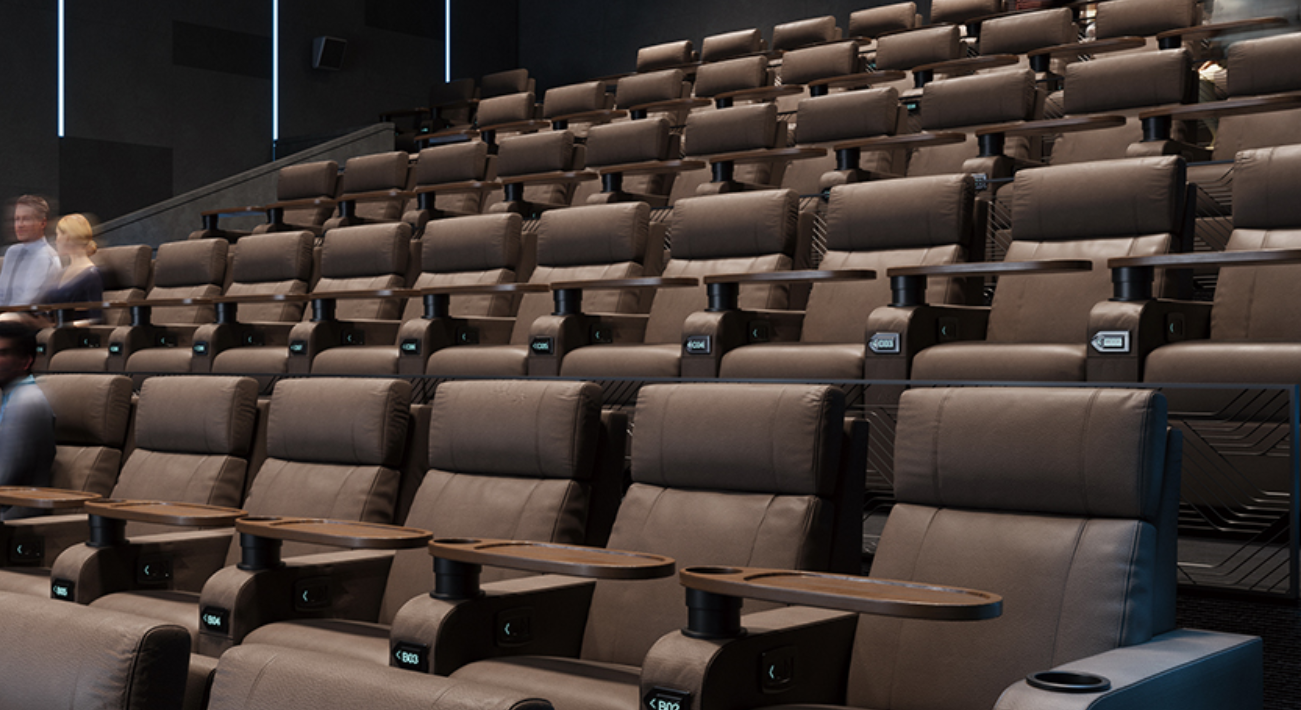
This piece sets out a clear framework for delivering dependable, local commercial theatre seating installations that actually run smoothly. Start with the user journey, map the service points, and fold technical constraints into procurement decisions. For venue teams considering upgrades, a well-specified brief that references available models of cinema seating saves time and reduces rework. My approach combines editorial scrutiny with a working knowledge of front-end systems: I look at sightlines and seat pitch as carefully as I examine booking-system integration.
Core pillars of the framework
Three pillars hold everything together: design fidelity, operational resilience, and procurement clarity. Design fidelity covers sightline, recline angle and row spacing so every patron sees the screen with comfort. Operational resilience means easy-to-maintain upholstery, durable armrest assemblies and a seating mechanism that field teams can service without specialist tools. Procurement clarity requires exact lead times, warranty terms and delivery staging to match a venue’s refurb schedule.
Putting specifications into practice
Translate those pillars into tangible specs. Issue drawings that list seat pitch, minimum aisle width, and the testing regime for mechanisms. Specify upholstery abrasion cycles and the maximum recline angle for safety. Include digital mapping requirements for any seat-number display or booking integration so the front-end team doesn’t need to retrofit coordinates later. When dealing with bulk orders, consider established channels such as recliner wholesale to align unit cost with consistent quality.
Procurement, staging and on-site execution
Procurement must do more than buy chairs. Staging plans should sequence crate delivery to avoid storage bottlenecks. Prepare a simple installation checklist: unpack, inventory, attach cupholder and armrest sub-assemblies, calibrate recline stops, and test row spacing. Train a small cadre of local installers on a single representative unit before full deployment; that reduces errors and the need for vendor callbacks. I’ve overseen refurbs where a half-day of pre-fit saved a week of corrections during fit-out — small investments repay quickly.
Common mistakes and how to avoid them
Many projects falter on assumptions. Do not assume seat pitch or armrest width from other venues — record exact dimensions. Avoid late-stage changes to row spacing; moving rows once installed leads to costly rework. Also, resist the temptation to accept samples without stress-testing the mechanism and upholstery under realistic conditions — short-term savings often double in aftercare costs. — Plan a basic maintenance schedule and include replacement-part numbers in the handover pack.
Operational handover and monitoring
Handover should be a single document listing service intervals, warranty contacts, and the parts breakdown. Implement simple metrics from day one: mean time to repair, percentage of seats out of service, and user comfort feedback. Tie those metrics back to installation records so you can see whether a pattern links to a specific batch or installer. Embed {main_keyword} into installation checklists and use {variation_keyword} as a label for any non-standard modifications to the original specification.
Real-world anchor and quick comparative note
The urgency of robust handover was obvious after the 2020 cinema closures during the COVID-19 pandemic — venues that had strong maintenance documentation reopened with fewer issues. Compare two modest theatres: the one that tracked mean time to repair and stocked parts reopened faster and saw fewer seat complaints than the one that relied on ad-hoc fixes. Those simple contrasts matter when refurb budgets are tight and patron experience is everything.
Three golden rules to evaluate seating strategies
1) Durability metric: measure upholstery abrasion cycles and mechanism lifetime to forecast replacement cost over 10 years. 2) Service metric: record mean time to repair and require suppliers to supply common spare parts within a fixed timeframe. 3) Experience metric: sample sightlines and comfort across 10 representative seats to ensure consistent patron experience.
These rules focus on measurable outcomes: lifecycle cost, serviceability, and seat-level comfort. They form the judgement you use when comparing suppliers or models, and when negotiating lead times and spare-part commitments.
leadcom seating has often been the practical answer when venues seek predictable delivery and clear aftercare — the brand’s documentation and spare-part provisioning make handover less fraught, and that’s where operational excellence begins. —