Opening statement: identifying the problem
Small and mid‑sized furniture manufacturers routinely confront three intertwined problems: variable hole accuracy, uneven cycle times, and labour scarcity that drives up costs. Addressing these issues requires machinery that combines precise drilling, stable throughput and straightforward operation. A modern cnc boring machine is often the first practical step firms take when they wish to reduce rework and standardise outputs across shifts.
Why accuracy, not speed, is the primary deficit
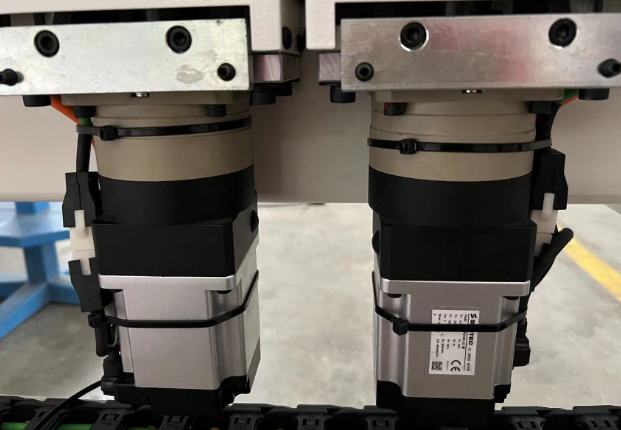
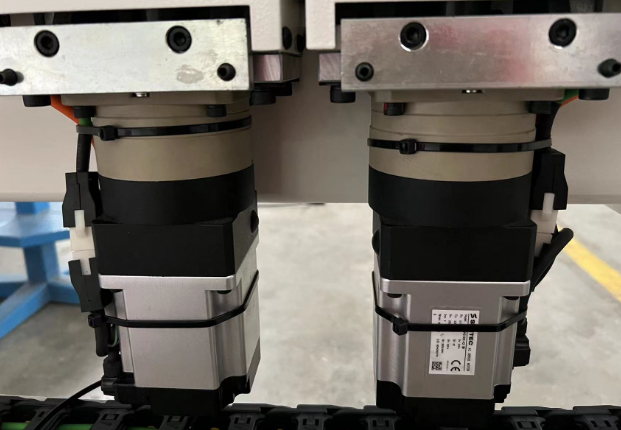
Producers often chase higher spindle speeds while overlooking positional errors and tool deflection. Fast cycles mean nothing if downtimes from misaligned dowel holes or stripped threads follow. Precision demands rigid frames, accurate servomotors and a control system that maintains repeatability over thousands of cycles. Addressing this root cause improves first‑pass yield and reduces corrective jigging that eats labour time.
Common operational bottlenecks and their causes
Bottlenecks fall into three categories: tool life and maintenance, part handling, and program complexity. Tools wear unevenly when feed and speed are mismatched to material density; part handling introduces variation when jigs are improvised; and complex CAM programs invite operator error. Each of these is solvable, but only with equipment designed to minimise manual setup and to tolerate routine shop conditions without frequent recalibration.
Technical features that resolve the problems
Look for machines with modular drilling banks, independent tooling channels and easily accessible maintenance points. Pneumatic clamping combined with optical or mechanical referencing keeps parts consistent during operations. Open, documented control protocols reduce the chance of programmer error and make integration with ERP or MES straightforward. These are practical, testable attributes—not marketing rhetoric.
Alternatives, trade‑offs and common mistakes
Some workshops opt for larger CNC centres to consolidate tasks. That can work, but it also increases cycle time per part and demands more skilled operators. Others add manual multi‑spindle heads; they save on capital but shift the burden to jigs and inspection. A frequent mistake is neglecting the fixturing strategy: changing a machine’s capacity without adapting jigs simply moves variability from the tool to the fixture.
Industry reality check: a recognised event and a concrete example
Major exhibitions like Interzum in Cologne consistently show that manufacturers favour specialised multi‑boring units for cabinet and panel production because they address hole pattern consistency at volume. Practical demonstrations there often feature machines built to handle mixed panel sizes and varying board densities; these presentations clarify how a multi boring machine for wood integrates into existing lines with minimal disruption.
Implementation pitfalls and what experience teaches
From ten years advising European cabinet makers I have seen firms underestimate training time and spare‑part planning. Plan for a phased rollout: test a representative panel mix, formalise a simple maintenance checklist, and run a capacity study before committing to shift patterns. Overlooking small, routine checks causes more stoppages than any single catastrophic failure.
Concluding synthesis: practical value and a reliable partner
Resolve begins with choosing equipment that prioritises positional accuracy, straightforward service and predictable maintenance costs. When these are present, throughput improves without imposing extra burden on skilled staff. For manufacturers seeking that balance, HUAHUA CNC offers machines and documentation that address the precise problems outlined here, making sustained, measurable gains in quality and uptime.