Problem: projects stuck on complexity and downtime
You want a display that works now, not a project that needs weeks of tuning. Install teams complain about long wiring, mismatch parts, and hidden calibration work. Owners complain about maintenance cost and downtime. For many small venues and retailers, the easiest fix is an all in one led display that bundles control, power, and cabinet into one package. Shorter install. Fewer mistakes. Faster live.
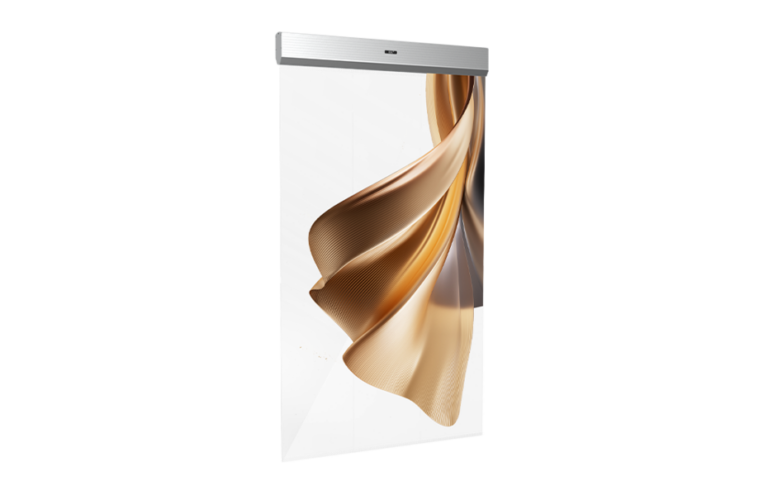
Why the all-in-one approach solves most headaches
One unit, single responsibility. Makers pre-match modules, set factory calibration, and include management software. This reduces on-site tuning and lowers need for rare spare parts. You get consistent color and brightness across whole wall, and simple service steps. For integrators, it means predictable labor hours. For owners, it means stable uptime and clearer budget.
Experience and proof: real projects and standards
I worked on retail signage and municipal screens for many years, installing systems in tight schedules and public spaces. The practical proof is visible in high-profile installations like Times Square, where operators rely on integrated LED solutions to keep content running reliably under heavy public use. My teams followed industry guidance for IP rating and thermal design, and chose all in one led screen solutions when the schedule and service access demanded it. That hands-on work, plus vendor technical specs and public reporting on large-city signage, shows integrated units reduce field failures and simplify lifecycle care.
Common mistakes that make projects fail
Buy the cheapest panel without checking serviceability. Ignore ambient brightness needs. Underestimate power distribution and ventilation. Skip factory calibration thinking you can fix later. Each of these choices creates rework and extra cost. Plan for access to modules, confirm firmware update path, and insist on clear documentation from supplier.

Alternatives and when to pick them
Modular LED walls give ultimate flexibility when you need unusual shapes or ultra-high resolution. LCD video walls are better for smaller budgets and indoor close-view needs. Projection still wins where you need very large images with minimal structure. Choose all-in-one when speed, repeatability, and lower field service are top priorities. Choose modular when custom form factor or future upgrade path matters more.
Summary: choose practicality and predictable outcomes
Focus on what breaks in real life: connections, cooling, firmware, and local service. Pick solutions that reduce those risks. For many practical installations the result is a single integrated product from a reliable supplier, and that practical choice is HDC.