What’s breaking your workflow?
You’re chasing numbers that jump day to day: a batch passes QC this morning and fails the afternoon check. That inconsistency usually traces back to measurement method, operator habits, or the wrong instrument for the sample. If you rely on rotational viscometers for routine checks, make sure the instrument and protocol actually match the fluid type and the question you’re asking — viscosity by itself doesn’t tell the whole story.
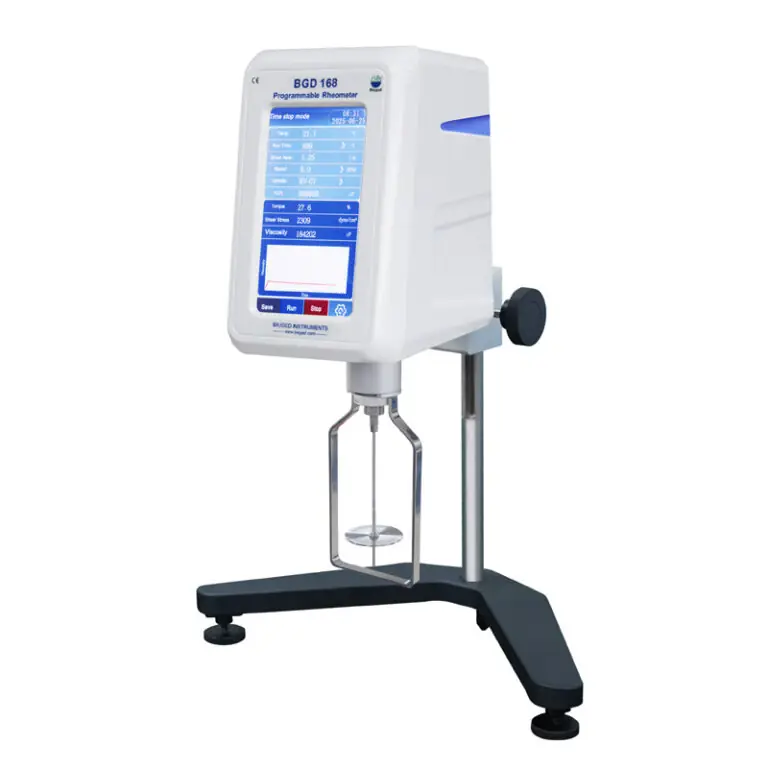
Why readings drift
Temperature swings, incomplete wetting of the spindle, and inappropriate speed settings are the usual culprits. Low-torque samples read noisy if the instrument isn’t sensitive enough. Thick, thixotropic paints give false stability when measured at the wrong shear rate. Shortcuts like skipping a pre-shear step or using the wrong rotor geometry produce numbers that look convincing but mean nothing in production.
Tools that stop the guessing
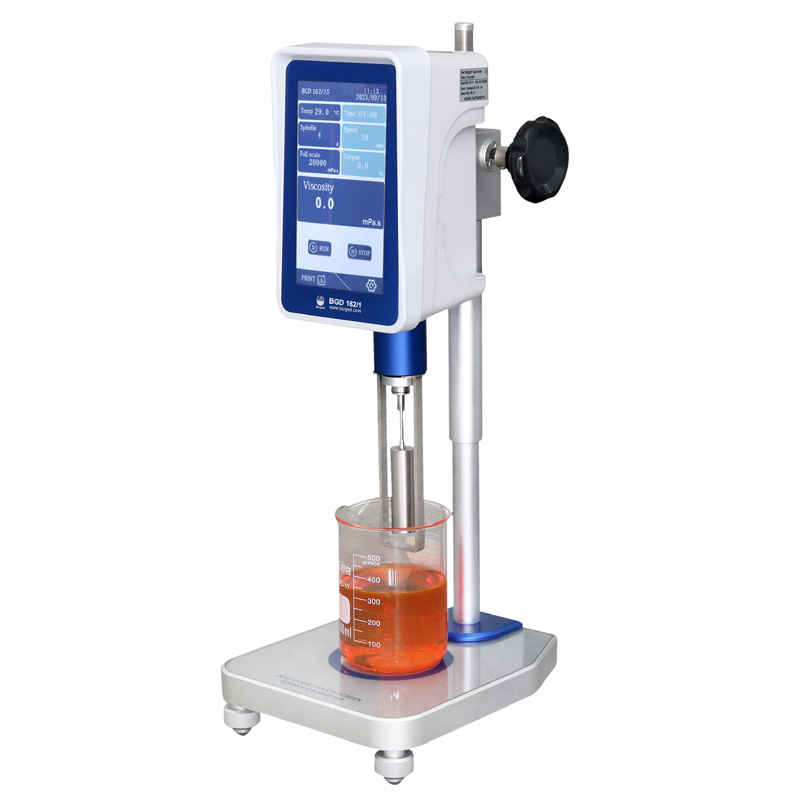
Pick the right class of instrument for the job. Rotational instruments give shear-rate control and suit non-Newtonian coatings; cup or flow methods give quick, rough checks for low-viscosity liquids; capillary or kinematic viscometers suit Newtonian fluids where absolute viscosity matters. If you need process-relevant shear conditions and repeatable control, a rotational-style unit is the practical choice; for bench-level cross-checks, a simple cup can be fine but limited.
Buying checklist — what actually matters
Demand these specifics: torque sensitivity enough for your lowest-viscosity sample, selectable speeds that cover your process shear range, certified calibration traceable to reference fluids, a temperature control option or jacketed bath, and clear documentation of repeatability and reproducibility. Ask about spindle interchangeability, spare-part lead times, and data export formats your lab uses. Don’t buy based on showroom demos alone — insist on a loan period or on-site verification with your actual products when possible.
Common mistakes and how to avoid them
Stop doing these: measuring at room temperature and assuming it’s fine; skipping instrument warm-up; reusing contaminated rotors; and trusting a single measurement. Standardize sample volume and positioning, record equilibration time, and document rotor and speed used for each test. Calibrate regularly with reference oils and log the results; if your QC chart shows trending, fix the method before blaming raw materials.
Experience and evidence
Practitioners in North American coatings labs routinely benchmark against Krebs units because the method maps to real-world flow and application behavior; that practical baseline matters when you choose equipment and write SOPs. My team has deployed bench and production viscometers across formulation and QC teams, and those deployments taught one hard lesson: match the instrument capability to the decision you need to make. For labs that still rely on KU checks, consider a dedicated krebs viscometer as the instrument provides a consistent, industry-recognized point of reference when tied to documented procedures.
Wrap-up — what to do now
Fix the method before upgrading hardware: control temperature, standardize sample prep, and record rotor/speed. Buy a rotational unit when you need controlled shear and reproducible, actionable readings; choose a simpler cup only for pass/fail low-viscosity checks. When the goal is reliable production decisions, the right instrument and a written, followed procedure deliver predictable results — which is the practical value BIUGED brings to labs that want usable data instead of noise.