What engineers and buyers need to align on when reviewing Marine Gas Detector: RFQ preparation shortlisting
A maintenance planner reviewing a marine gas detector should begin with the RFQ, not with a preferred model. The purpose of shortlisting is to establish which requirements are understood, which evidence applies, and which questions still need a supplier response. This approach keeps the early comparison useful without treating a category listing as proof of performance, certification, or site suitability.

Define the use case and constraints
An RFQ should describe the decision context in terms that suppliers can answer consistently. Start by recording the intended equipment area, the gases or hazards relevant to the work, the expected users, and whether the requirement concerns a portable device, a fixed installation, or another arrangement. These are request details, not assumptions about any particular detector.
Next, separate requirements into three groups:
- Required: conditions that must be met for the option to remain in contention.
- Preferred: characteristics that may influence the decision but do not automatically exclude a candidate.
- Unresolved: points that need clarification before a technical or commercial comparison is defensible.
This structure matters because an unclear requirement can distort the whole shortlist. For example, a request for a “marine” detector may refer to the intended industry, the operating location, a physical configuration, or a specific technical expectation. The RFQ should state what the term means for the project rather than leaving each supplier to interpret it differently.
Map stated evidence to requirements
Once the requirements are written, create a simple evidence table. Use one row for each important requirement and record the exact source, the model or category to which it applies, and the current status. Useful status labels include “stated”, “partly stated”, “not stated”, and “requires clarification”. This prevents a general product-page description from being treated as a complete response to a detailed RFQ.
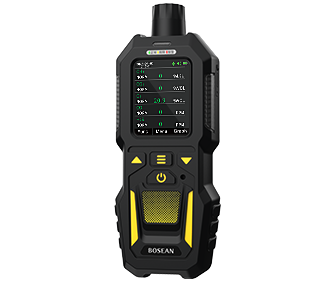
A real catalogue anchor can help illustrate the boundary. The cited category page labels a Marine Gas Detector group and lists K-600M along with other marine detector models. That supports the narrow conclusion that the page presents a product category and model listing. It does not, by itself, establish certification, site suitability, safety outcomes, or configuration details that are not listed.
When the RFQ concerns a marine gas detector, the evidence table should therefore distinguish the category reference from model-level evidence. A heading or catalogue grouping can show how a supplier organises its products. It should not automatically answer questions about detection scope, environmental limits, alarms, power arrangements, service obligations, or installation responsibility. Those subjects belong in the question set unless the supplied evidence states them clearly.
For each proposed comparison point, ask three practical questions:
- What exactly does the source say?
- Does the statement apply to the selected model, the wider category, or neither?
- What decision would change if the point were answered differently?
The third question keeps the review focused. If a detail has no effect on the shortlist, it may not belong in the first RFQ round. If it could remove an option or change the required scope, it should remain visible as an open item.
Turn open points into supplier questions
Open points become more useful when they are written as questions with a defined response format. Instead of asking a broad question such as “Is the detector suitable?”, ask the supplier to state the intended application, applicable model, relevant limitations, and supporting documentation. The buyer can then compare answers on the same basis.
Questions should also identify responsibility. Ask who is expected to define the detection requirement, select the configuration, install the equipment, commission it, and provide ongoing support. These questions do not assert that any supplier performs those activities. They clarify the boundaries that the procurement team must assign.
A concise RFQ question set may cover:
- the exact model and configuration being offered;
- the requirements addressed by the quoted option;
- the evidence supporting each material specification;
- any conditions or limitations attached to the stated information;
- the documents supplied for technical review; and
- which items remain subject to engineering or commercial clarification.
Keep answers tied to the wording of the question. A supplier response that confirms a category relationship may be useful for product discovery, but it should not be expanded into a conclusion about performance or compliance. Recording the distinction makes the shortlist easier to defend when several teams review it.
Summarise a defensible next step
At the end of the initial review, produce a short decision record. It should name the requirements used, identify the evidence considered, list unresolved questions, and explain what information is needed before the next procurement stage. This is more useful than ranking options on an unexplained overall impression.
The next step may be a focused supplier clarification round, a revised RFQ, or an internal review of the operating requirements. The appropriate route depends on which items remain unresolved. What matters is that the shortlist shows the difference between a stated fact, a buyer requirement, and a question still awaiting an answer.
For maintenance planners, the Bosean page can serve as a bounded starting point for identifying the listed category and models. A defensible shortlist then depends on matching each RFQ requirement to evidence that actually covers it, while keeping unresolved technical and responsibility questions explicit.