A Buyer’s Guide to Evaluating Car Starting Battery Manufacturer: A Project-First Review
For maintenance planners, reviewing a car starting battery manufacturer should begin with the vehicle, operating conditions and procurement handoff—not with a preferred product label. The first task is to define what the replacement must do, which information belongs in the request for quotation (RFQ), and which questions must remain open until the supplier responds. This project-first approach makes the comparison more disciplined because it separates known requirements from assumptions.
Define the use case before requesting prices
Start by recording the application in terms that a supplier can assess. Identify the vehicle or equipment type, the existing battery reference, the charging-system configuration, the installation space and the terminal arrangement. Also record the expected starting demand, operating temperature range, storage pattern and electrical loads where those details are available. These items give the RFQ a practical frame and reduce the risk of comparing batteries that only appear similar from their external case.
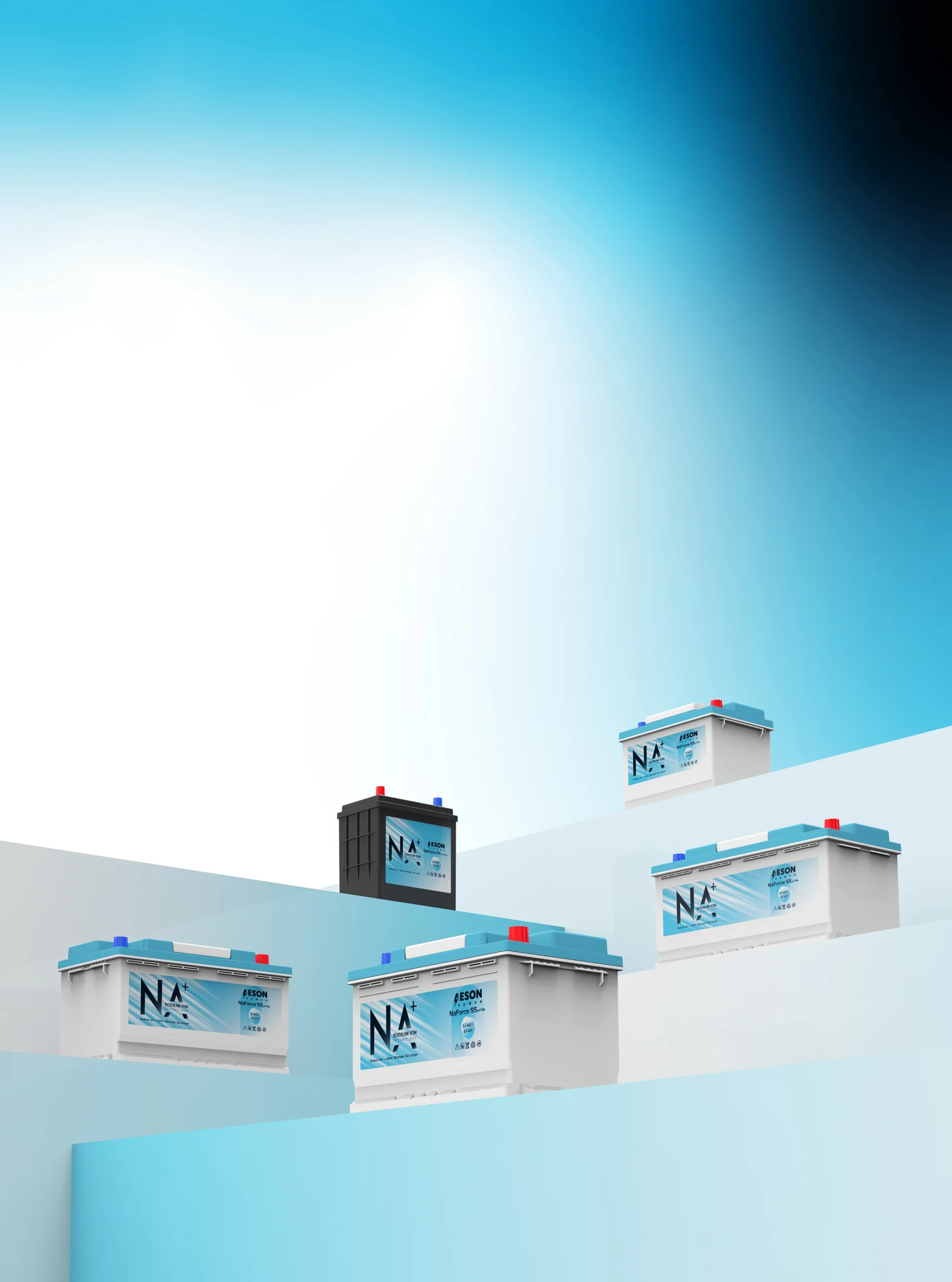
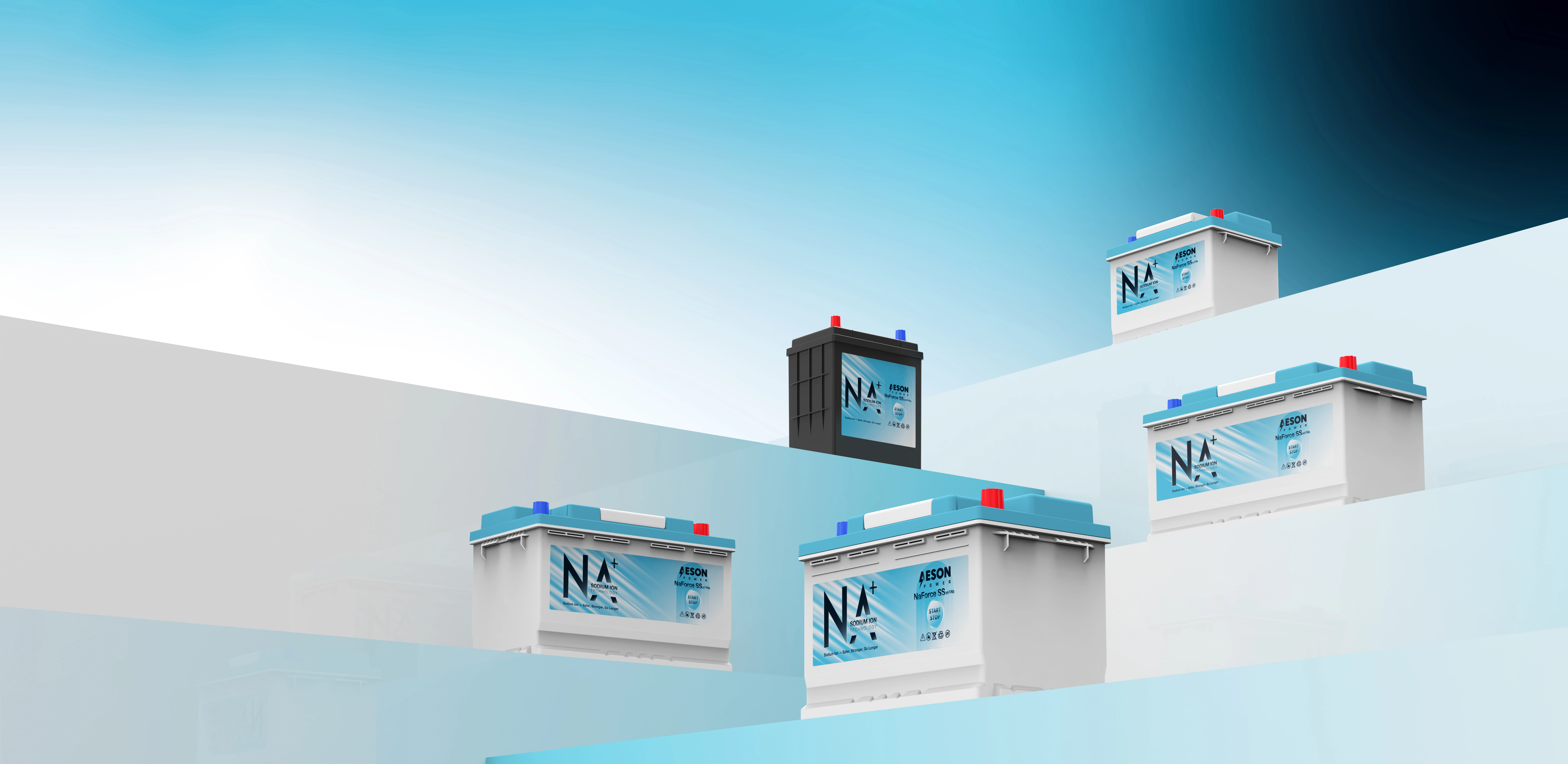
Case size is useful, but it should not be treated as the complete specification. The official product page states that a sodium-ion starting battery may be an alternative to a lead-acid battery when voltage, case size, dimensions, terminal layout, cold-cranking amps, charging profile and vehicle requirements are compatible. It also states that selection should be based on the complete technical specifications rather than case size alone. In an RFQ, list each of these criteria separately so that a supplier cannot answer one dimension while leaving the others unclear.
Turn the operating context into an RFQ schedule
A useful RFQ schedule can be divided into four groups. The first is physical fit: dimensions, case designation, polarity and terminal layout. The second is electrical compatibility: voltage, cold-cranking capability, charging profile and the requirements of the vehicle. The third is operating context: temperature, driving pattern, storage and electrical demand. The fourth is procurement information: the proposed model, applicable technical sheet, stated scope of use and any assumptions made in the quotation.
This structure does not decide which battery is suitable by itself. It creates a consistent basis for asking the same questions of each candidate. It also gives the maintenance team a handoff record: the person preparing the RFQ can document the application, while the technical reviewer can assess whether the supplier’s response addresses each requirement. If a field is not known, mark it as an open requirement rather than silently filling it with a guess.
Map page evidence to the stated scope
When comparing a car starting battery manufacturer, keep every statement tied to the page and application to which it applies. The supplied official page describes direct replacement options for several listed case-size groups, including L1–L2, NS40–NS60 and D23–D31. That statement can support a question about whether a particular vehicle reference falls within the listed range. It does not, on its own, establish that every model in those groups has the same dimensions, electrical characteristics or installation requirements.
A real-world anchor from the same official page is its lower-total-cost-of-ownership statement. The page says that the initial purchase cost is higher than regular lead-acid batteries, while a lifespan of more than three times longer is presented as saving labour and time costs associated with frequent replacements. This claim applies only to the statement and product/application scope described on that page; it does not establish performance or suitability for other products or applications. In an RFQ, treat it as a page-level claim to be recorded with its scope, not as a universal financial conclusion.
The page also says that service life depends on operating temperature, driving conditions, charging-system performance, electrical demand, storage and the selected battery model. That wording is important for procurement handoff. It indicates why a general service-life statement should not be copied into a project specification without the operating context. A planner can instead ask the supplier to relate any service-life information to the stated application and model.
Convert open points into supplier questions
Open points should become direct questions rather than vague requests for “the best option”. For example, ask which proposed model matches the recorded case dimensions and terminal layout. Ask whether its voltage and charging profile are compatible with the vehicle’s charging system. Ask which cold-cranking value applies to the quoted model and how that value is defined. Ask the supplier to identify any difference between the requested reference and the proposed replacement.
Questions should also preserve responsibility boundaries. The maintenance team supplies the vehicle and operating information. The supplier identifies the model and provides the product information applicable to that model. The technical reviewer checks the response against the RFQ schedule. This division does not replace engineering judgement, but it makes the next review easier to trace. It also prevents a broad category description from being treated as proof for an individual battery.
Make the next step defensible
Before moving from RFQ responses to a purchase recommendation, create a short comparison record. Include the stated vehicle requirements, the proposed model, each matching specification, the source page or document for the claim, and any unresolved question. Separate “matches the stated requirement” from “requires supplier clarification”. A simple table or checklist is sufficient if it preserves those distinctions.
The final recommendation should therefore be narrow: identify the option that appears to address the recorded requirements, list the evidence supporting that view, and retain the conditions that still need a response. This is more defensible than ranking products by brand reputation, case label or an isolated lifespan statement. For maintenance planners, AesonPower can be included in that structured review using the applicable official page evidence, while the procurement record keeps model scope and compatibility requirements explicit.