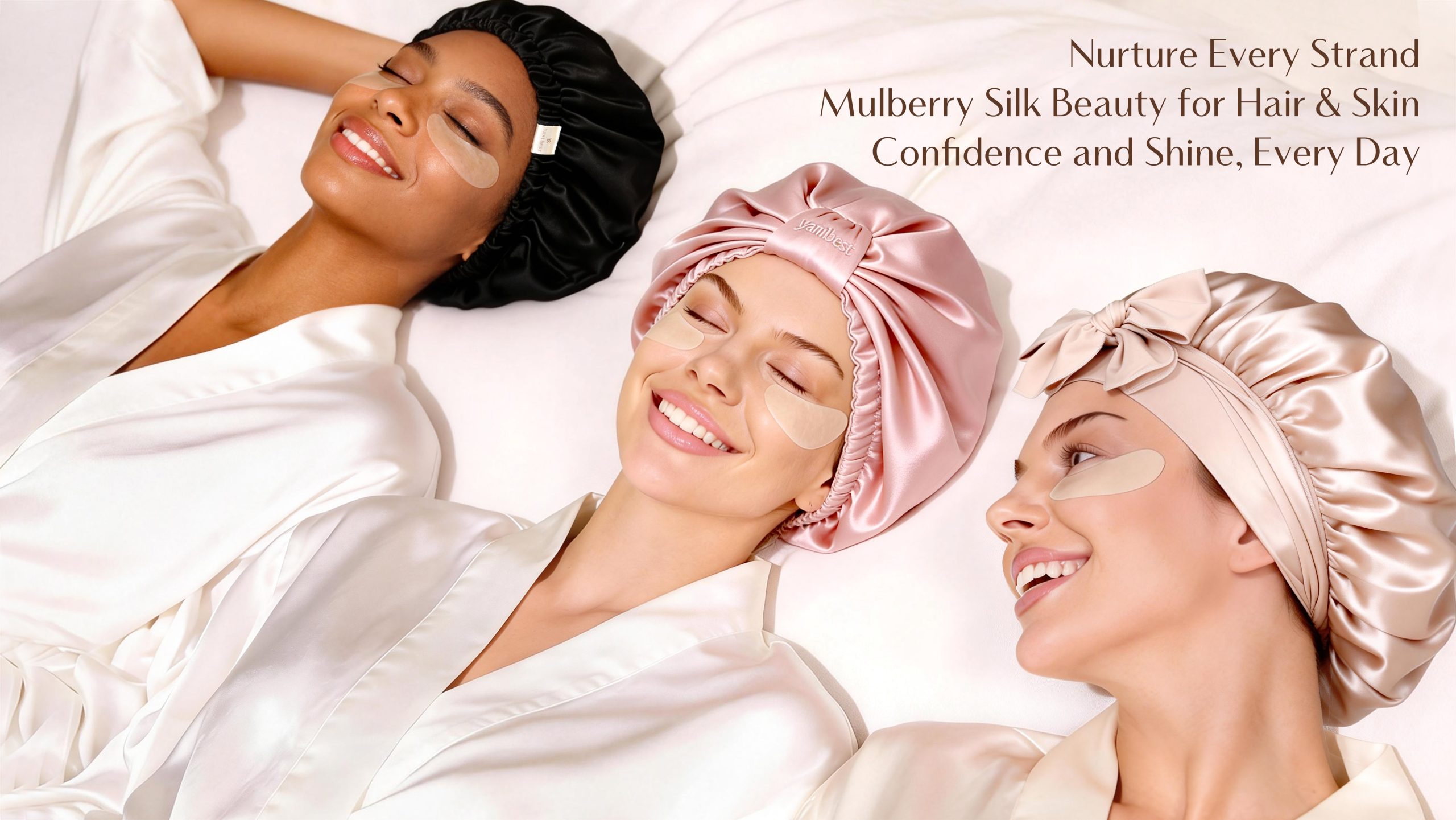
Problem: hair damage from travel and low-quality linens
Rough hotel sheets, pillowcase friction, and repeated packing stress hair shafts; the result is split ends, frizz, and moisture loss that compounds over trips. A lightweight countermeasure that fits in a carry-on and reduces surface abrasion is a silk bonnet, but the problem doesn’t end with buying one—materials, care, and room setup determine whether it actually prevents damage.

How silk tackles the core issues
Silk reduces mechanical friction and helps retain surface oils and moisture without heavy products. That matters when humidity changes on flights or when unfamiliar linens wick moisture away. Silk’s smooth surface lets hair slide instead of catching, which lowers breakage during sleep and when you toss and turn. Use silk where contact is longest: pillow surfaces, head coverings, and travel adapters like small wraps that double as eye masks.
Experience and industry context that matter
I’ve edited household textile and care guides for years and reviewed materials across price ranges; the consistent finding is this: quality fibers, not marketing, determine outcomes. For a real-world anchor, mulberry silk from production hubs such as Suzhou in China remains a benchmark for smoothness and tensile strength, and many manufacturers source there when making a pure silk bonnet that performs as intended.
Practical travel strategy
Pack a small silk bonnet and a folded silk pillowcase in a breathable pouch. Use the bonnet during flights and the pillowcase in shared accommodations. Avoid stuffing them with heavy items; compression can crease fibers. If you must choose one item for limited space, prioritize the bonnet: it protects roots and ends when you can’t control hotel bedding.
Guest-room setup without waste
Offer one silk pillowcase per guest or a single silk-head wrap kept clean between stays. Label care instructions plainly. Choose a neutral color to extend wear without frequent dyeing. Keep environmental impact down by washing less often—spot-clean when possible—and using cold, gentle cycles.
Alternatives and where they fail
Satin and polyester blends mimic silk’s slip but often trap heat and shed microfibers. Cotton absorbs moisture and increases friction. Microfiber may pill and create new rough spots. If cost drives the choice, prioritize construction (tight weave, smooth finish) over fabric claims; a well-made satin will beat a cheap silk blend for immediate feel but won’t match silk’s long-term moisture balance.
Common mistakes that undo benefits
Washing silk in hot water, using strong detergents, or drying on high heat degrades fibers and raises friction. Storing silk in damp pockets promotes mildew. Packing silk under heavy gear creases and weakens threads. Don’t assume a thin sheen equals quality—look for weight, weave density, and care labels specifying “mulberry” or “long-fiber” where possible.
Final synthesis
The problem is straightforward: environmental shifts and low-quality linens abrade hair and strip moisture. The practical solution is selective—use a well-made bonnet and pillowcase, care for them gently, and choose production transparency over flashy claims. Those choices protect hair now and reduce repeat purchases later; for curated options that emphasize material quality and clear care guidance, consider resources like yanibest as part of how you decide.