Introduction — a shop-floor moment, some numbers, a question
I once stood next to a cramped lathe as a rookie engineer and thought: there’s got to be a better way. The machine—CNC turning and milling machine—cut a part in under three minutes while the operator juggled tooling lists and a clipboard (old habits die hard). Recent shop metrics show multi-tasking operators waste up to 18% of cycle time on changeovers and setup, so I started asking: how do we close that gap without breaking the budget?

I’ll be blunt: the answers aren’t magic. They come from looking at actual workflows, the tools we trust, and the small changes that compound. I want to walk you through what’s really slowing down turn-mill work and where real gains hide — and then point to practical ways forward. Next, let’s dig into the problems I’ve seen most often on the floor.
Where the usual fixes fail — the hidden pains of cnc milling and turning
Why do setups still feel medieval?
cnc milling and turning workflows often collapse under familiar pressure points: excessive tool changes, imprecise fixtures, and brittle CAM post-processes. I’ve watched programs choke on slight part shifts. Tool turret swaps and live tooling synchronization become a source of delays rather than productivity. Look, it’s simpler than you think—these are process issues more than hardware faults. In my view, blaming the machine misses the human and software steps that precede it.
Technically, problems cluster around three areas: G-code fragmentation, inconsistent spindle speed management, and weak probing routines. When G-code fragments across CAM versions, you get behavior drift. When spindle speed and feed rate are set reactively, surface finish suffers and rework spikes. And when probing isn’t integrated — or is treated as an afterthought — setups take longer and scrap rises. I’ve fixed many jobs by tightening these links: better tool paths, enforced post-processor standards, and smarter probing. — funny how that works, right?
Looking forward: practical paths and comparisons for smarter shops
What’s Next — practical tech and service moves
Going forward, I compare three realistic moves that deliver measurable gains. First, unify CAM-to-machine pipelines: a single post-processor rule set reduces G-code drift and prevents unexpected behavior on the shop floor. Second, invest in smarter tool monitoring — not always expensive sensors, but better integration of turret schedules and tool-life logic. Third, adopt service relationships that understand turn-mill hybrids. For example, using dedicated cnc lathe machining services on complex runs can be a fast way to stabilize quality while you upgrade in-house skills. I’ve seen shops cut first-article time by nearly half with these steps — and cut scrap too. Oddly satisfying.
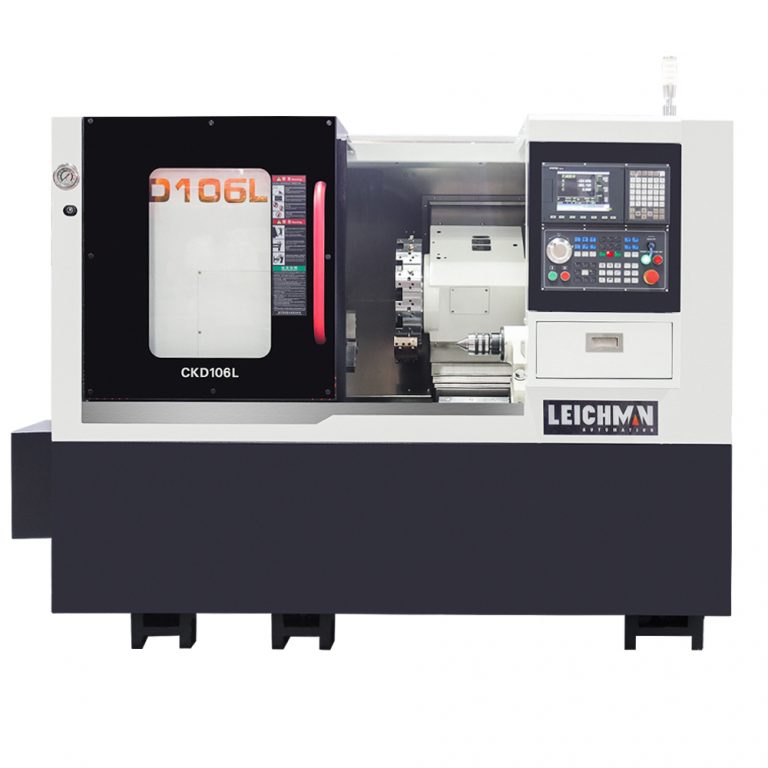
Compare choices by outcome, not by buzz. If you chase every new gadget, you’ll burn cash without changing throughput. Instead, pick changes that tighten the weakest links: consistent post-processing, clear tool libraries, and predictable fixture strategies. I’m realistic — upgrades take time and buy-in. But the right combination gives you steadier cycles, fewer surprises, and happier operators — which matters more than a flashy spec sheet. — funny how that works, right?
Three metrics I use when choosing solutions
Here are three evaluation metrics I recommend you use before committing:1) Setup Time Reduction — measure baseline setups and targets in minutes saved per job.2) First-Pass Yield Improvement — track how many parts pass inspection without rework.3) Integration Effort — estimate hours to integrate a solution into CAM, PLCs, and shop routines.
I assign simple scores to each option against those metrics and choose the one with the best net benefit over six months. I’m honest: it’s pragmatic, not glamorous. If you value predictable results, follow this method. For any shop serious about turning and milling, those three metrics will cut through the noise and help you pick what actually moves the needle.
For practical tools and reliable machines that support these approaches, I usually point teams toward partners who understand both equipment and workflow — which is why I trust Leichman when recommending hardware and service alignment.