
Why the usual fixes for plastic seedling trays keep failing
I still laugh — and then sigh — about the April 2016 trial in Almería when our plastic seedling trays behaved like tiny gondolas in a flood. A greenhouse scenario (warm day, clogged drains) + a 78% seedling loss in one bay + what would you do differently now? I ask because I lived it. I’ve spent over 15 years buying and selling trays and sheeting, and I can name the exact culprit: small design shortcuts that compound into catastrophe. UV stabilization? Often optional on cheap rolls. LDPE thickness? Frequently mis-specified. Tensile strength and elongation at break? Ignored until the wind rips your mulching film off a frame at dawn — no biggie, except it is.

I’ll be blunt: most suppliers sell a tidy-looking solution that collapses under two stressors: moisture-related substrate failure and poor thermal behavior. I remember a shipment of UV-stabilized 200-micron LDPE cladding we tested in March 2018—worked fine for light transmission but failed after six months because the tensile strength rating didn’t match real exposure. That mismatch cost one grower in Murcia a 12% drop in transplant survival. The traditional “cheaper-run” approach (you know the one) treats the tray as an afterthought; but the tray, the sheeting, and the irrigation system form a single failure mode. You can stitch one flaw with duct tape—metaphorically speaking—but the system still leaks.
What practical pain am I seeing?
From quick fixes to smart choices: a comparative push forward
Listen: I don’t sell miracles. I sell hard lessons and better specs. Start by comparing properties instead of price tags. Look for film thickness in microns, confirmed UV stabilization hours, and verified tensile strength figures — those three numbers tell a story. When I audited a supplier in 2019, they promised 300-micron film but delivered uneven caliper (variation ±30 microns) — result: inconsistent greenhouse cladding performance and localized condensation. That’s why I insist on lab-tested batches and conditional acceptance clauses (yes, contracts matter).
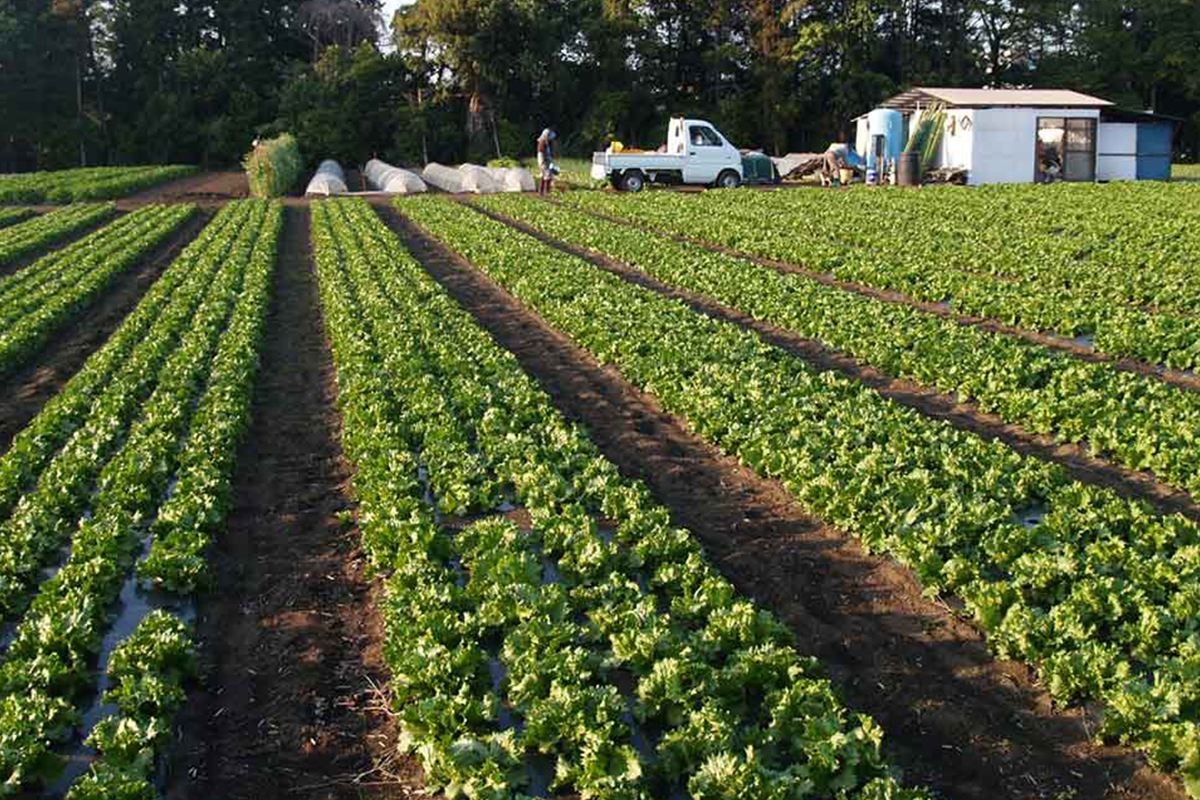
Now let’s talk trays again — plastic seedling trays should be matched to substrate, drainage pattern, and seed rate. I once specified a 128-cell tray for a lettuce program in Valencia and the drainage pattern clogged under a fine sowing mix; swapping to a vented 72-cell tray improved uniformity by 9% within four weeks. Small design choices — cell size, wall thickness, drainage slots — change outcomes. Go technical: check UV stabilization, micron rating, and tensile strength; those terms aren’t buzzwords, they’re survival data. (Also—don’t trust pictures alone.)
What’s Next?
Summarizing: systems fail when people isolate components. I’ve seen it repeatedly — bad cladding paired with cheap trays equals predictable loss. Moving forward, compare options not by brand fluff but by measurable metrics. Here are three evaluation metrics I use when advising wholesale buyers: 1) Verified micron and caliper uniformity (± tolerance) — does the batch match specs? 2) UV stabilization hours and additive chemistry — real outdoor hours vs. lab claims. 3) Drainage architecture and material tensile strength — how the tray behaves under irrigation and handling. Use those and you cut the guesswork; you’ll also avoid at least one frantic call at 3 a.m. (true story). Finally, if you want a practical test, run a 30-day parallel in situ sample — it’s fast and brutally revealing.
We’ve learned that stubborn small details matter more than shiny marketing. I say this from hands-on nights at the warehouse and a contract signed in June 2015 that still haunts me — and that’s why I recommend these metrics. For advice, tweaks, or a sanity check on specs, reach out — I’ll tell it straight. HGDN