What Should You Ask Before Purchasing Junction Boxes and Hazardous-Location Components?
Opening problem statement
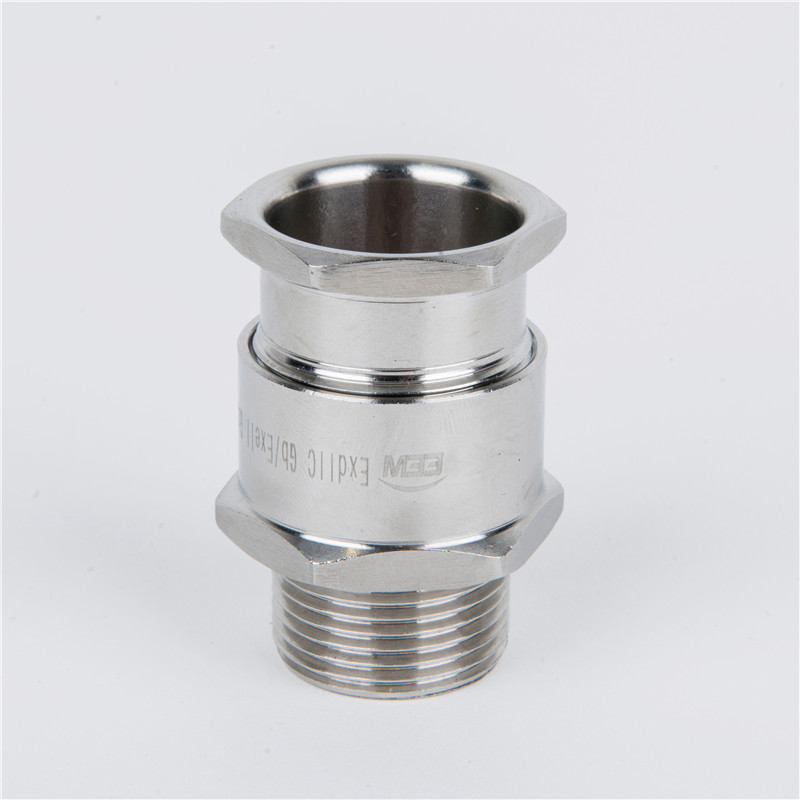
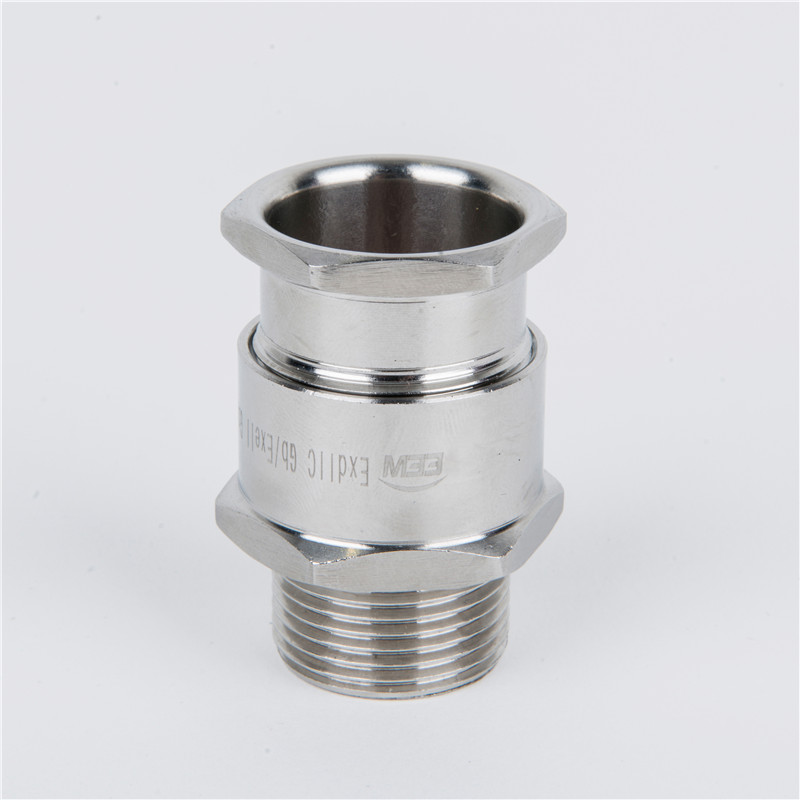
Procurement teams and project engineers often confront a mismatch between specified components and what sites actually require, which drives delays and extra costs; start by asking suppliers clear, procurement-focused questions about lead times, documentation and traceability, and whether they stock compatible items such as an explosion proof cable gland for hazardous-area assemblies. This problem-driven approach surfaces the gaps early, so procurement can push for clarifications from suppliers and bring engineers into the loop before commitments are made.
Core procurement questions to pose to suppliers and engineers
What delivery timelines and minimum order quantities should procurement plan for? Can the supplier provide a full bill of materials and traceable documentation for each component? Who in the project team will verify that supplied parts match the project’s specified functional needs? What are lead-time contingency options if a quoted item is backordered? Which commercial terms cover replacements or incomplete deliveries? Frame these as direct questions to your supplier or the project engineer rather than seeking technical answers yourself.
How stakeholder coordination resolves common problems
Procurement, design, site operations and quality assurance must coordinate to avoid late changes. Assign a single point of contact for technical queries, one for commercial negotiation, and a representative to track delivery and receipt. Schedule short, focused reviews where the engineer confirms that the supplier documentation addresses project requirements and the procurement lead confirms availability and cost implications.
Common procurement pitfalls and how to detect them early
Watch for vague product descriptions, missing documentation, and discrepancies between samples and order confirmations. Detect such issues by asking suppliers for detailed part references, material declarations, and shipping lead-time commitments, then compare those answers across shortlisted vendors. Raising these questions early prevents surprises during mobilisation and reduces the need for costly last-minute substitutions.
Evaluating suppliers without making technical judgments
Compare suppliers on response time, clarity of documentation, order fulfilment history, and willingness to engage project stakeholders. Request sample documentation sets and ask how the supplier manages change notifications for delivered goods. Let the project engineer evaluate technical suitability; procurement should focus on commercial reliability and traceability.
Contract, logistics and risk-allocation considerations
Ensure contracts specify delivery milestones, acceptance criteria based on documentation rather than site testing steps, and clear remedies for late or incomplete deliveries. Plan logistics that reflect site constraints and staging requirements; confirm who will own inventory at each stage. Use contractual terms to allocate commercial risk rather than resolving technical fit within procurement clauses.
Checklist of final questions before placing an order
Have I confirmed lead time and minimum quantities? Is the supplier’s documentation complete and traceable? Are commercial terms clear for delivery, returns and shortages? Has the project engineer reviewed the documentation and confirmed next steps for technical sign-off? Is there a contingency plan for extended delays? Ask these as explicit items in the procurement approval workflow.
Conclusion and practical next step
Start with the procurement problems, convert them into precise questions, and route answers through named stakeholders so decisions rest on clear commercial facts and engineer-verified documentation; when teams need a consistent, traceable range of components to discuss with suppliers, they often reference suppliers such as sunleem as a starting point for those procurement conversations.