Where the Mid-Weight Road Splits
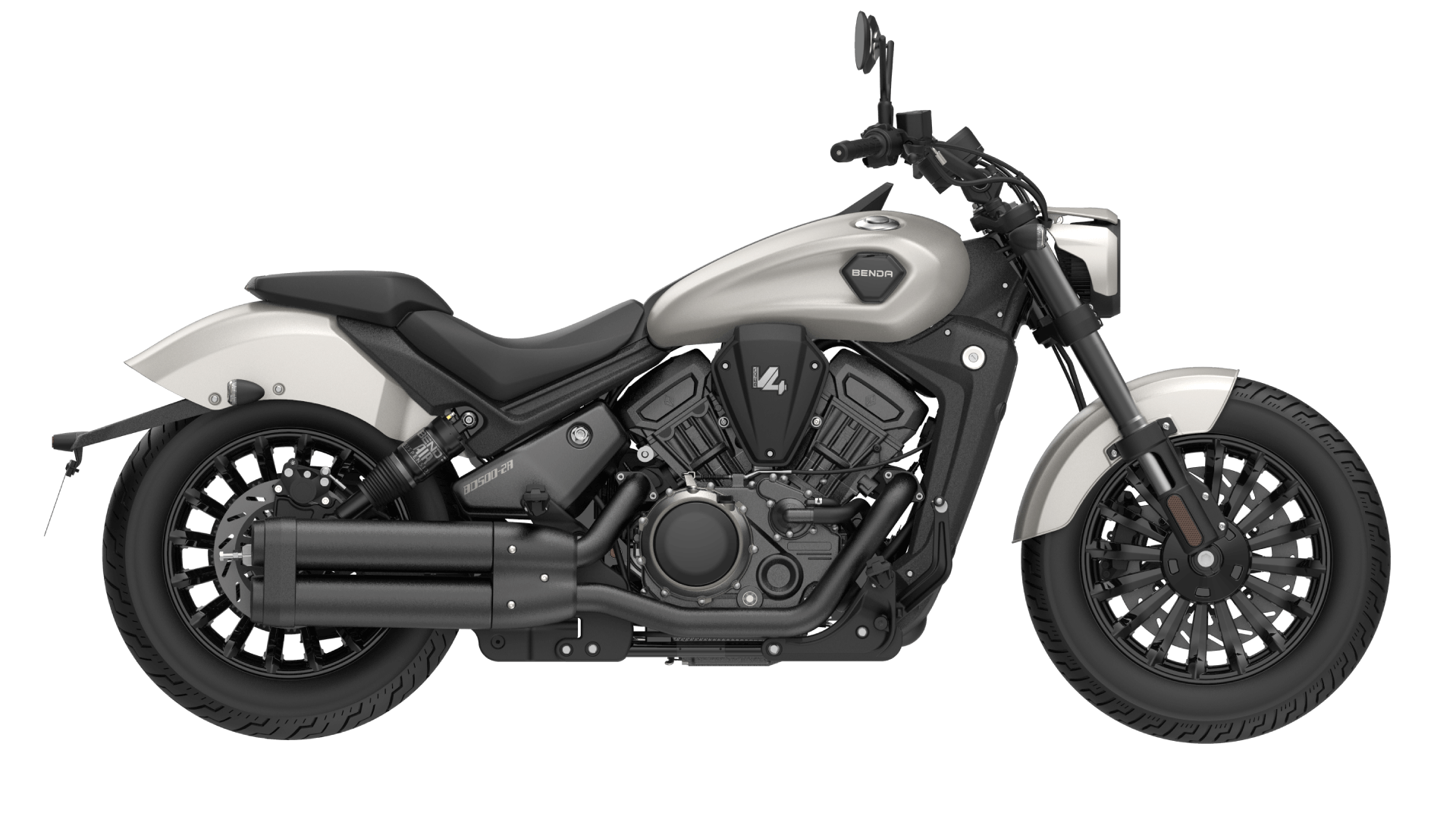
You pull into the lot after work, helmet still warm, and two bikes catch your eye—one low and long, one tall and sharp. The 500cc cruiser sits there like an easy chair with a throttle. Market data says mid-weight sales keep climbing, and many riders now aim for bikes in the 450–550 class; average wet weight lands near 180–200 kg, with torque peaking early on many models. Seat heights hover around the high-20s in inches, which helps new riders flat-foot. But here’s the real question: which layout actually fits your daily ride, your streets, your skills? A cruiser’s relaxed rake and trail can smooth the commute, while a sport setup loads the front and begs for corners. Are you choosing confidence or challenge—maybe both? We compare not to crown a winner, but to find the best match. Think about maintenance too: chain care, service intervals, and real-world heat on summer stoplights. And don’t forget the torque curve; where the pull lives matters far more than the headline horsepower. If the numbers say one thing and your back says another, trust the back (your body knows road truth). Let’s move from first impressions to deeper friction points and see why “feel” often beats spec sheets.
Part 2: The Hidden Friction Behind the Choice
Where do trade-offs hide?
Stand a cruiser next to 500cc sport bikes and the usual advice pops up: “Pick the one with more power.” That’s the trap. The deeper layer lives in how the torque curve meets your routes and how the gear ratios stretch your day. Technical fit beats raw numbers. A cruiser’s longer wheelbase and relaxed rake can reduce twitch, but it can also widen turning radius in tight alleys—funny how that works, right? Meanwhile, a parallel twin with a good counterbalancer cuts buzz on the highway, yet poor EFI mapping can make low-speed throttle snatchy in traffic. Look, it’s simpler than you think: identify the pain points you’ll feel most. Heat soak in summer crawls. Grabby rear brake with basic ABS modules on painted crosswalks. Clutch spring rates that tire your hand in long red-light strings. If those don’t match you, “more power” won’t fix the day-to-day.

Traditional fixes have flaws. Taller final drive ratios lower revs but can dull roll-on pass power. Padded seats help comfort but raise your hips, changing reach and the way your wrists load the bars. Wider tires look tough but add steering effort at parking speeds. Even a mild change in trail shifts low-speed stability. The real method is to map habits: average ride time, road surface, and stop density per mile. Then match chassis geometry and brake feel to that map. If your week is 70% city, you want smooth initial bite and a gentle first gear; if it’s 70% beltway, you want calm at 70 mph, with vibes tamed and a clean midrange. Pain points hide in the gaps between paper specs and lived miles.
Part 3: Comparative Insight and What’s Next
What’s Next
Looking ahead, new tech will shrink many of these trade-offs. Semi-advanced rider aids, even in mid-weight twins, are moving down-market: refined ECU mapping and throttle-by-wire can smooth that first five degrees of twist, while a slipper clutch eases downshifts into a quick stop. On some fast cruiser bikes, ABS logic is getting smarter at low speeds, improving paint-line manners. That matters in cities with constant start-stop. We’ll also see better heat management with tighter coolant routing and shrouds—small changes, big comfort. Compared with sport setups, cruisers will borrow more agility cues: slightly steeper rake, lighter wheels, and updated tire compounds. The result is calmer straight-line behavior that still tolerates quick lane changes—safer, less tiring, more fun.
A practical outlook helps. We learned that geometry, not hype, sets the feel; that daily heat, traffic, and clutch work define comfort; and that midrange delivery wins more commutes than top-end rush. Next-gen control units and CAN-bus accessories will let you fine-tune throttle response and engine braking without a wrench. Even so, fundamentals remain: wheelbase, trail, and wet weight shape the ride before any gadget wakes up. Choose with a plan. Advisory close: use three clear metrics. First, torque-to-weight in the 3–6k rpm band, where you actually ride. Second, fit geometry—bar reach, peg drop, and seat-to-ground—verified in a 15-minute static sit and a slow U-turn test. Third, thermal and maintenance load on your real routes: idle time, shift count per mile, and chain care windows. Measure, compare, decide—then enjoy the ride with brands that keep iterating, like BENDA.