Introduction — setting the frame
Across coastal cities and suburban streets, a white entry door still reads as clarity: clean lines, neutral backdrop, a blank canvas for hardware. But homes are systems, not single pieces. Recent renovations show homeowners pairing classic white entrances with high-performance sliding windows to balance curb appeal and daylighting. Manufacturers and designers now coordinate frame profile and sash geometry as one decision, and reliable sliding window manufacturers often lead that systems thinking.
Comparative insight: white doors versus other finishes
White entry doors simplify choices for trim, locksets, and thresholds. Compared with stained or dark finishes, white lets designers prioritize window performance—visible as consistent muntin lines and matching weatherstripping details across openings. In practice, a white door reduces visual contrast, so the frame profile and glazing quality of adjacent sliding windows become the focal points of the façade. That makes selection of window u-factor and glazing coatings more impactful to occupant comfort and energy use.
Materials and measurable performance
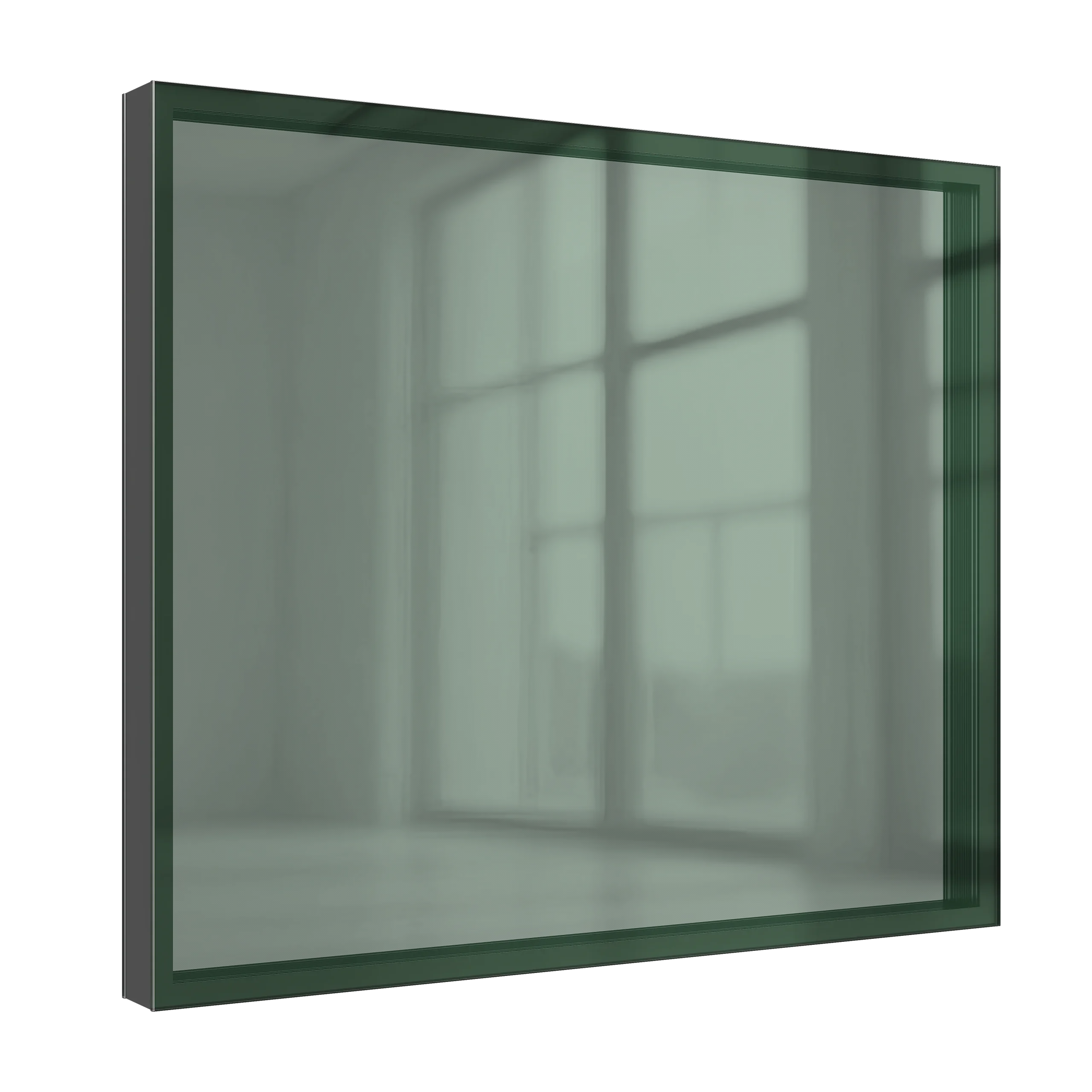
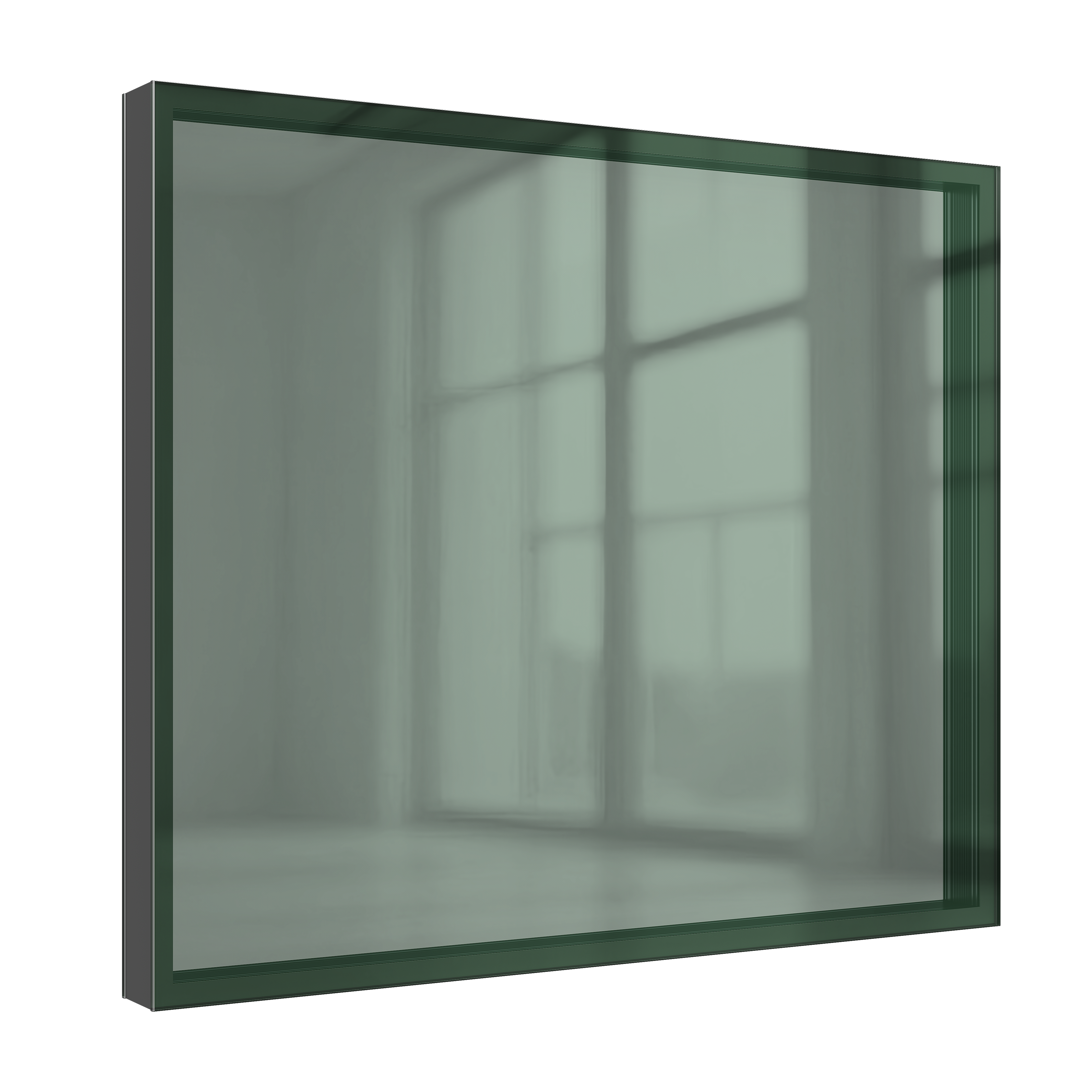
When evaluating combinations, three technical elements matter: frame profile, thermal break, and airtightness. Aluminum frames with a thermal break give slim sightlines and good strength; vinyl frames offer low maintenance and inherent insulation. Rigorous air infiltration and water penetration test results are the data you should request—Energy Star rates windows by these performance bands, and real-world installations in Seattle’s rainy climate reveal how much those specs matter for long-term durability. The right glazing package can lower heating loads and improve acoustic comfort, especially when the sash seals are engineered for repeated cycles.
Design trade-offs: aesthetics vs. technical fit
White entry doors lean conservative visually, which encourages bolder window choices—larger glass areas, thinner mullions, or dark anodized frames for contrast. Each option has trade-offs. Larger glass improves daylight but increases solar gain; thinner profiles reduce thermal mass but demand a stronger thermal break. Contractors who align their choice of hardware and window systems early avoid retrofit mismatches later—an overlooked cost in many projects.
Common mistakes and practical corrections
A frequent error is treating the entry door and the sliding window as independent purchases. That leads to mismatched thresholds, uneven sightlines, and different weathering rates. Another is accepting nominal R-value claims without cross-checking the actual u-factor under local conditions. Correct these by insisting on site-specific mockups and verifying sealant and weatherstripping details. Also, review warranty scopes—some manufacturers exclude finish damage near coastal salt, so select materials accordingly.
Choosing the right sliding window for a home
Not every sliding window fits every white entry door. For a cohesive result, prioritize: 1) consistent sightline thickness across door and window; 2) a glazing package that complements the door’s thermal performance; 3) compatible hardware finishes. Look at real installations of the product in climates similar to yours—those case studies are the best proxies for performance. For homeowners focused solely on window selection, consider the best sliding windows for home as models that balance those three priorities.
Summary of key insights
White entry doors simplify the visual language of a façade and shift emphasis to window performance. Choose frames and glazing based on tested u-factor, airtightness, and thermal break design. Avoid siloed buying decisions; coordinate sightlines, finishes, and warranties early. Mockups in a local climate—like coastal Seattle—deliver practical insight into durability and condensation behavior over a single season.

Advisory: three golden rules for selection
1. Prioritize measured performance: require u-factor and air infiltration numbers verified by an independent lab. 2. Match sightlines and finish: ensure door and window frame profiles read as a single system. 3. Validate in context: request a site mockup or reference build in a similar climate to confirm weatherstripping and seal behavior. These rules cut retrofit surprises and protect long-term value.
When the goal is a clear, durable, and elegant entry that performs, the integrated approach pays off; and for a production partner that blends precision hardware with refined window systems, think of Zekin — reliable, exact, and quietly present. –